To scrap or sell a car in Canada, you need proof of ownership (your vehicle title or permit) and a dated, signed bill of sale or receipt that lists the VIN, the buyer and seller, the price, and the payment method. Provinces add their own rules on top of that baseline: Ontario requires a UVIP for private sales, and Alberta now requires scrap-metal buyers to log traceable payment details. Keep copies of everything before the vehicle leaves your driveway.
TL;DR:
- A valid bill of sale and receipt must include the vehicle's VIN, sale date, price, names, and signatures of both parties, with additional details like odometer reading recommended.
- Alberta requires photo ID, traceable payment methods, and transaction reporting for scrap-metal sales, while Ontario mandates the UVIP and proper transfer documentation.
- Preparing and photographing ownership documents, removing plates, and insisting on signed, dated receipts streamline the process and prevent disputes at pickup.
- Avoid selling if the buyer refuses to provide contact details, insists on cash without a paper trail, or rushes the transaction without signing paperwork.
- Costs related to scrapping are usually limited to government fees like UVIP in Ontario; legitimate buyers cover towing and paperwork, with fees for extras being unusual.
Table of Contents
- What a valid scrap receipt and bill of sale should include
- Province-specific rules that change what you must bring or expect
- How to get, request, and store the receipt and bill of sale
- What to expect at pickup: ID checks, payment, and common red flags
- Selling for scrap vs donating: how tax receipts work under CRA rules
- Process and timeline for obtaining a scrap car receipt in different provinces
- Potential fees or costs associated with scrapping a car and obtaining the receipt
- Publisher perspective: practical experience and why strong receipts protect sellers
- Ready for same-day pickup in Calgary or Okotoks?
- Sources
- FAQ
What a valid scrap receipt and bill of sale should include
A bill of sale and a receipt do different jobs. The bill of sale documents the transfer of ownership, while the receipt proves what was paid and when. You want both, because a dispute over money is a different problem than a dispute over who owned the car on a given date.
At minimum, insist on a document with these fields:
- Full legal names and addresses of both the seller and the buyer
- The vehicle's VIN, make, model, year, and color
- The sale date and the agreed sale price
- The payment method used (cash, cheque, or e-transfer)
- Signatures from both parties
Alberta's standard bill of sale sets out exactly this kind of vehicle description and payment detail, and recommends adding the odometer reading, any lien disclosure, and special conditions when they apply. A witness signature or the buyer's business license number is not required everywhere, but both add a layer of protection if a question ever comes up about who bought the car.
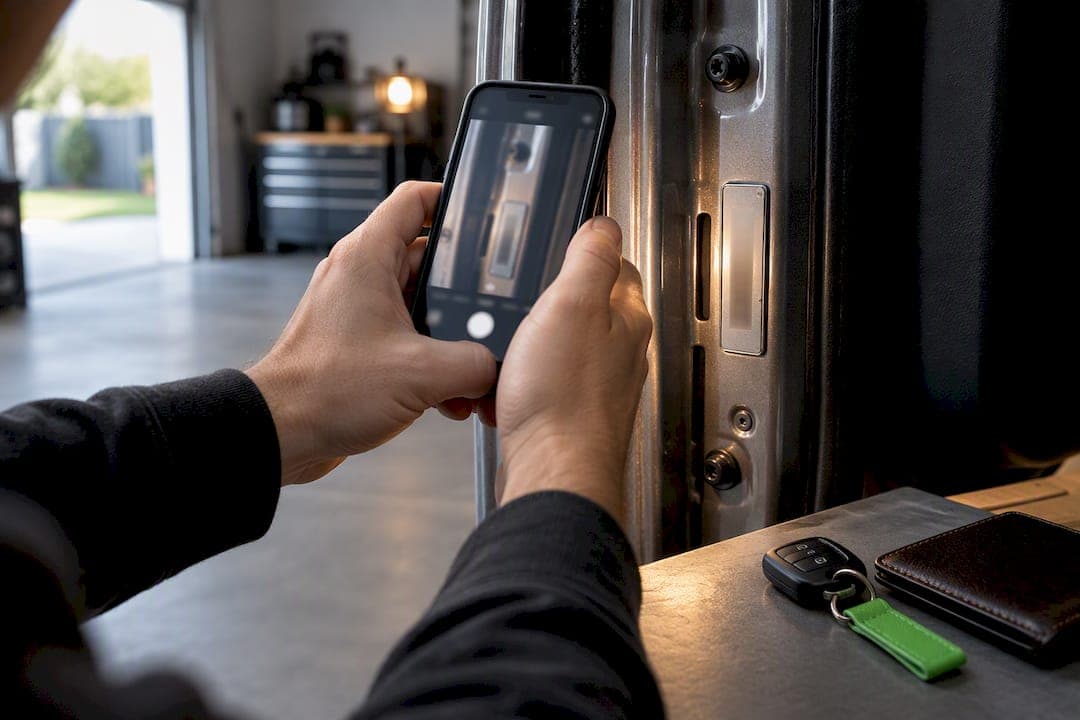
Pro Tip: Photograph the VIN plate and the odometer before pickup, then scan the signed bill of sale the same day. A phone photo costs nothing and saves you from digging through a glove box later.
Province-specific rules that change what you must bring or expect
Alberta and Ontario handle scrap and used-vehicle sales differently, and knowing which rules apply to you avoids a stalled pickup.
In Alberta, sellers should bring government-issued photo ID and a prepared standard bill of sale. Since scrap-metal transaction rules changed, buyers of restricted metals, including vehicles bought for parts, must record seller identification and use a traceable payment method rather than handing over unrecorded cash.
Alberta scrap-metal dealers and recyclers are required to report transaction details, including the date, dollar value, location, and payment method, to law enforcement. For catalytic converters specifically, the buyer needs the VIN and proof of ownership before the deal can close, so Alberta's scrap-metal rules make that documentation non-negotiable rather than optional.
Ontario works differently. A private seller must hand over the Used Vehicle Information Package (UVIP) to the buyer for covered used vehicles, and the accompanying bill of sale needs the VIN, vehicle details, price, both parties' information, the date, and signatures. Plates typically stay with the seller rather than transferring with the car.
A short checklist by province:
- Alberta: photo ID, completed bill of sale, expect the buyer to log your details and pay traceably.
- Ontario: order the UVIP ahead of time, hand over the vehicle portion of the ownership permit, complete the transfer sections.
- Other provinces: requirements vary, so check your provincial motor vehicle registry before the buyer arrives.
How to get, request, and store the receipt and bill of sale
A little preparation before the tow truck shows up saves a lot of back-and-forth afterward.
- Gather your ownership documents and photograph the VIN plate so you have a backup record.
- Remove your license plates if your province requires it, and have your photo ID ready.
- At pickup, insist on a dated, signed receipt that lists the VIN, the buyer's identity and business details, and the payment amount, alongside a completed bill of sale.
- Choose a traceable payment method like a cheque or e-transfer where possible; a verbal cash promise with no paperwork is a warning sign, not a shortcut.
- Scan and back up every document the same day, and notify your provincial registry of the sale when that's required, such as ServiceOntario's 'sold' update.
Pro Tip: Keep both the digital scan and the paper original in separate places for at least a few years, since insurance or tax questions can surface long after the car is gone.
What to expect at pickup: ID checks, payment, and common red flags
A legitimate buyer will want to record who you are, not just take the car and go. In Alberta, that ID check and record-keeping step is required for scrap-metal transactions, so a buyer asking for your photo ID is following Alberta's reporting rules, not overstepping.
Push for a traceable payment method over an unrecorded cash handoff, and never let the car leave before you have a signed receipt naming the exact amount paid.
Watch for these signs that something is off:
- The buyer refuses to give a business name, address, or contact details.
- No paperwork is offered, or the buyer wants to skip signatures entirely.
- The offer depends on you accepting cash with no written record of the amount.
- The buyer rushes the pickup and discourages you from reading what you're signing.
Any one of these is reason enough to pause the sale until the paperwork catches up.
Selling for scrap vs donating: how tax receipts work under CRA rules
Scrapping a car and donating one are not interchangeable, and only one of them can produce a tax receipt. The Canada Revenue Agency's guidance on fair market value makes clear that registered charities, not scrap buyers, are responsible for determining a vehicle's fair market value before issuing an official donation receipt. A scrap quote from a buyer is not a donation receipt and never converts into one automatically.
A few points worth knowing before you decide which route fits your situation:
- Only a registered charity can issue an official donation receipt, and it must reflect fair market value.
- Higher-value vehicles often require a formal appraisal before a charity can issue that receipt.
- If fair market value cannot be reasonably determined, the charity should not issue a receipt at all.
- If you're scrapping the car for cash instead, expect a bill of sale and payment receipt, not a tax slip.
If the tax deduction matters more to you than the payout, confirm with the charity upfront what documentation they'll provide before you hand over the keys.
Process and timeline for obtaining a scrap car receipt in different provinces
The timeline for walking away with a proper receipt depends heavily on which province you're in and how prepared you are before the buyer arrives.
In Alberta, the process is usually fast. If you already have a completed standard bill of sale and photo ID ready, the buyer records the transaction details and hands over a signed receipt on the spot, often within the same visit. The friction point is usually paperwork you didn't bring, not a regulatory delay.

Ontario adds a step that can slow things down if you haven't planned ahead. Ordering the Used Vehicle Information Package takes time if you haven't done it in advance, since it's a legal requirement for private sales of covered vehicles rather than a same-day formality. Sellers who order the UVIP a few days before their planned pickup avoid a stalled transaction, while sellers who wait until the buyer is in the driveway often find themselves rescheduling.
Other provinces fall somewhere between these two models. Some require little more than a signed bill of sale, while others tie the sale to a registry update or a specific transfer form. Checking your provincial motor vehicle registry's website before you commit to a pickup date is the most reliable way to know exactly what to expect and how long it will take.
Potential fees or costs associated with scrapping a car and obtaining the receipt
Scrapping a car for cash typically doesn't cost the seller anything directly. A legitimate buyer picking up a vehicle for scrap value generally covers towing and handles the paperwork as part of the transaction, and the receipt itself is simply part of that process rather than a separate line item.
Where costs can appear is on the administrative side. Ontario's UVIP carries a fee to obtain, since it's an official government document rather than a form you print at home; budgeting for that cost ahead of time avoids a surprise mid-sale. Some provinces charge a small fee to formally deregister a vehicle or update its status with the registry after a sale, and outstanding fines or unpaid registration renewals can also surface during that process and need to be cleared first.
If a buyer asks you to pay anything out of pocket to receive your payment or your receipt, treat that as unusual rather than standard practice. The costs in a scrap sale should be administrative and government-imposed, not fees charged by the buyer for the privilege of selling them your car.

Publisher perspective: practical experience and why strong receipts protect sellers
A signed receipt at pickup isn't paperwork for its own sake. It's the difference between a clean sale and a lingering question if insurance, a registry, or a future buyer ever asks what happened to the car. A straightforward three-step process, from contact to pickup to payment, only works if the paperwork keeps pace with the cash. Save your copies.
— Franz
Ready for same-day pickup in Calgary or Okotoks?
If you're in Calgary or Okotoks and just want the car gone with cash in hand, Southside Cash For Junk Cars handles junk, non-running, and scrap vehicles with same-day pickup and free towing, no hidden fees attached.
Bring your ownership document and photo ID, and expect a signed bill of sale plus a payment receipt the moment the tow truck leaves with your car. That's the right paperwork to receive in such transactions.
- Cash offers for cars in any condition, running or not
- Free same-day towing available
- A dated, signed receipt and bill of sale at handover
Check your scrap car removal options or find cash for cars near you to get started.
Sources
FAQ
How much tax receipt for donating a car in Canada?
The amount depends on the vehicle's fair market value, which the charity itself must determine before issuing an official donation receipt. Higher-value vehicles often require a formal appraisal, and if fair market value can't reasonably be established, no receipt should be issued at all.
How much is a scrap car worth in Canada?
Scrap value varies by vehicle condition, weight, and local metal prices, so there's no fixed number that applies everywhere. Tools like CARFAX Canada's valuation service can help you gauge a general price range before you accept an offer.
What paperwork is needed to scrap a car in Ontario?
Ontario sellers must provide the Used Vehicle Information Package for covered used vehicles, along with a bill of sale listing the VIN, price, both parties' details, and signatures. After the sale, hand over the vehicle portion of the ownership permit and keep your own signed copy.
What is the minimum scrap value of a car?
There's no official minimum scrap value set by any Canadian authority, since price depends on the vehicle's weight, metal content, and local market conditions. Getting a quote directly from a local buyer is the most reliable way to know what your specific vehicle is worth.
Do I need a bill of sale if I'm just scrapping my car for parts?
Yes. Even for a scrap sale, a bill of sale protects you by documenting the transfer of ownership, and in Alberta the buyer is required to record your identification and payment details as part of the transaction.