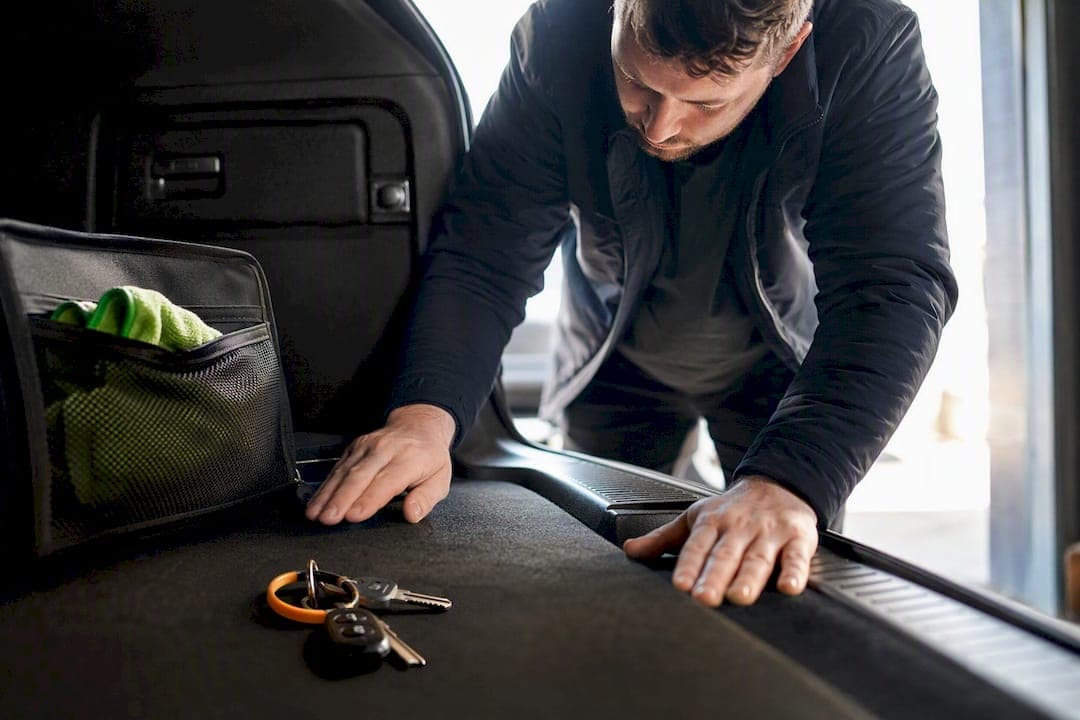
Before a tow truck ever shows up, clear out every personal item and hidden compartment, have your registration and photo ID ready, and pull any parts you plan to keep. Never pour out fuel, oil, or coolant yourself if you're unsure how to handle it safely, and leave that step to the collector. Do this right and you'll walk away with a signed collection receipt, eventually a Certificate of Destruction, and a payout that reflects the vehicle's real scrap value.
TL;DR:
- Removing valuable parts like tires, batteries, or aftermarket accessories can increase your payout, but heavy dismantling rarely exceeds targeted, simple prep.
- Having clear proof of ownership, such as registration and ID, and confirming documents are essential to prevent delays or refusals during pickup.
- Properly handling fluids and battery removal, preferably through licensed processors, ensures safety, legality, and compliance with environmental regulations.
- Preparing your vehicle on a staged timeline and providing access details upfront streamlines the pickup process and reduces the risk of logistical issues.
- Choosing a same-day cash-for-junk-car service can expedite the sale, especially if you're ready with all documents and access, avoiding extended negotiations or hidden fees.
Table of Contents
- A Compact Timeline Checklist Before Collection
- Which Documents and ID Do You Need on Hand?
- What to Remove Before You Hand Over the Keys
- How Do You Safely Handle Fluids and the Battery?
- Getting the Vehicle Ready for the Tow Driver
- What Actually Increases Your Payout?
- Final Checks at Handover and What Comes After
- A Real Example of How the Process Works
- Why the Standard Advice Undersells the Prep Work
- Ready for Same-Day Pickup? Here's the Faster Route
- Sources
- FAQ
A Compact Timeline Checklist Before Collection
Preparing a car for scrap goes smoother when you break it into stages instead of trying to do everything the morning the tow truck arrives. Here's a workable timeline.
- A week out: Decide what you're keeping (tires, stereo, roof rack), track down your registration and any lien paperwork, and take a few photos of the car's condition and odometer for your own records.
- The day before: Do a full interior sweep, pull off easily removable parts you've decided to sell separately, and check the battery terminals and fluid levels so you know what state the car is in.
- The hour before: Set the keys out where the driver can grab them, park on a flat surface with clear access, put your documents in an envelope by the front door, and confirm the collector's contact details one more time.
This staged approach matches what most step-by-step preparation checklists recommend, and it consistently cuts down on the "wait, where did I put the title" scramble that delays pickups.
Which Documents and ID Do You Need on Hand?
Every legitimate scrap buyer will ask for proof that the car is actually yours before they load it up. Skip this step and you risk a delayed pickup, or worse, a buyer who won't touch the car at all.
- Bring your vehicle registration (or title, depending on your province) and a valid photo ID that matches the name on the paperwork.
- If you've lost the registration, most collectors can work from a VIN inspection combined with your photo ID as a substitute, though proof of ownership still needs to check out before the deal closes.
- Keep a copy of the signed collection receipt the moment the driver hands it over.
- Watch for the Certificate of Destruction that typically follows once the vehicle is officially processed, and file it with your other records.
Hang onto both documents. If a lienholder, insurer, or provincial registry ever asks whether the car was disposed of properly, that paperwork is your answer.
What to Remove Before You Hand Over the Keys
Scrap cars hide more personal property than people expect. Glove boxes, door pockets, and center consoles are the obvious spots, but the ones that catch people off guard are the sun visor clip, the space under the seats, and the tool kit tucked into the spare wheel well.
- Check the sun visor, under-seat cavities, spare tire well, and any roof-storage pockets for forgotten documents or valuables.
- Pull toll transponders and garage door openers. Leaving an active toll tag in the car means someone else could rack up charges on your account.
- Grab SD cards, USB drives, phone chargers, and any paperwork still sitting in the glovebox.
- Decide early whether you're keeping recent tires, the battery, or an aftermarket stereo. Removing them yourself can be worth it, but pulling too much can also drag down the price a buyer is willing to offer for a complete vehicle.
- If the car has a catalytic converter you're considering removing yourself, get a quote first. Removing a catalytic converter without checking its value against the whole-car offer sometimes costs you money rather than saving it.
Pro Tip: Factory-reset any infotainment or navigation system before pickup. It clears paired phones and saved home addresses, which matters more than people realize once a car changes hands.
How Do You Safely Handle Fluids and the Battery?
Motor oil, coolant, transmission fluid, and gasoline are all regulated substances, and pouring any of them down a drain or onto the ground is both a bad idea and, in most provinces, illegal. The safer move is to let a licensed scrap facility handle depollution, since professional processors drain and capture these fluids as a standard part of intake and issue documentation proving it was done lawfully.
- If you're comfortable doing it yourself, drain fluids into sealed, labeled containers and transport them to a recycling center that accepts automotive waste.
- Battery removal means disconnecting the negative terminal first, but some collectors actually prefer the battery stay in place since it makes towing simpler and cuts down on handling risk during battery removal.
- Tell the collector upfront about any leaks, fire or flood damage, or deployed airbags. That's not a detail to spring on the driver at the curb.
A car that's been sitting for months with a slow oil leak isn't rare. Flagging it before pickup means the crew shows up with the right containment gear instead of discovering the problem in your driveway.
Getting the Vehicle Ready for the Tow Driver
A driver who can pull straight up, hook up, and go saves everyone time, and a smooth pickup often means a smoother transaction overall.
- Park on a flat, hard surface with enough clearance for a flatbed or tilt truck to approach and load.
- Provide gate codes ahead of time, clear the driveway of obstacles, and mention if the steering wheel or brakes are locked.
- If the car won't roll (blown transmission, seized brakes, flat tires all around), say so when you book the pickup. Some situations call for a winch, and it's better to sort out any related fee in advance than to negotiate it curbside.
What Actually Increases Your Payout?
Here's where a lot of people overthink it. Stripping a car down to the frame rarely nets more than a light, targeted prep job, and a full checklist approach that hits the basics tends to protect the price better than hours of extra labor.
- Removing a handful of genuinely valuable, easy-to-pull parts (near-new tires, a battery in good shape) usually beats an exhaustive teardown.
- Get at least two quotes, especially if you suspect the catalytic converter or tires carry real separate value beyond what the whole car would fetch.
- Scrap metal prices shift with the market, and local demand for specific makes can move an offer too. Ask any buyer exactly what their quote includes before you agree to anything.
Pro Tip: A failed inspection doesn't mean the car is worthless. Even vehicles that can't pass safety standards often still have salvageable parts and metal weight that make a professional quote worth getting before you assume the value is zero.
Final Checks at Handover and What Comes After
Before the driver leaves, take thirty seconds to confirm a few things. Check that the VIN on the paperwork matches the VIN on the car, confirm the collector's identification, and snap a photo of the signed collection receipt for your own files.
- Keep that receipt somewhere safe. It's your proof the vehicle left your possession on that date.
- Watch for the Certificate of Destruction once the vehicle finishes processing, and don't cancel your insurance until the collection is fully confirmed.
- If the certificate or provincial deregistration is taking longer than expected, contact the buyer directly. Most reputable operators can tell you exactly where the paperwork stands and roughly when to expect it.
A Real Example of How the Process Works
A straightforward removal usually follows three steps: you contact the buyer with the vehicle's details, they schedule same-day pickup, and you get paid on the spot once the driver confirms the car matches what was described.
Instant cash, same-day pickup, no hidden fees. The owner's job is to have documents and access ready; the buyer's job is to show up, verify, and pay.
A documented, repeatable process like this cuts down on the back-and-forth that usually stalls a scrap sale, and it gets cash in your hand faster.
Why the Standard Advice Undersells the Prep Work
Most guides treat scrapping a car like an afterthought, a quick call and a tow truck shows up. That undersells how much a fifteen minute sweep of the car actually protects you. The paperwork piece gets glossed over constantly, and it's the part with real consequences: skip the ownership verification step, and you're the one who deals with it later if a lienholder or provincial registry comes asking questions.
The conventional wisdom also oversells dismantling. Plenty of owners spend a full weekend pulling parts off a car chasing an extra hundred dollars, when a quick call for two quotes on the catalytic converter or tires would have answered the question in ten minutes. Prep time is worth more spent on the sweep and the paperwork than on a teardown you're not equipped to finish anyway.
If there's one thing worth prioritizing above the rest, it's proof of ownership and a clean interior sweep. Everything else, fluids, battery, parts, matters, but those two protect you legally and financially in ways the rest of the checklist doesn't.
— Franz
Ready for Same-Day Pickup? Here's the Faster Route
A local cash-for-junk-car service is an option for Calgary and Okotoks drivers who'd rather skip the multi-day back-and-forth that comes with listing a car privately or waiting on a shop's schedule. Once you've cleared out your belongings and pulled your paperwork together using the checklist above, the rest of the process is quick: contact the service with your vehicle's details, get a cash offer, and have it towed the same day at no cost, even if it's non-running, damaged, or failed inspection.
There is typically no negotiating back and forth over weeks, no hidden towing fee added after the fact, and no waiting around for a buyer to change their mind. If your car is ready to go, get your cash offer for junk cars near you and find out what same-day pickup looks like from your driveway.
Sources
- What is proof of ownership of a car in Alberta? — Gold Key Registry
- Step-by-step checklist for car scrapping preparation — Scrap Car Network
FAQ
What should I do before scrapping my car?
Clear out personal belongings, gather your registration and photo ID, decide which parts you want to remove yourself, and handle fluids safely or leave depollution to the collector.
Do I need to do anything if I'm scrapping my car?
Yes. Beyond removing your belongings, you're responsible for proving ownership and, in most cases, canceling your insurance and updating your provincial registration once the vehicle has been collected.
Do you need to transfer ownership before scrapping your car?
You generally don't transfer ownership the way you would in a private sale, but the buyer still needs your signed registration or title information to complete the collection receipt and, later, the Certificate of Destruction.
How do I get the most money when scrapping a car?
Get at least two quotes, especially if the catalytic converter or tires have separate resale value, and avoid extensive dismantling since a light, targeted prep job usually protects the offer better than a full teardown.
What happens to my car after it's scrapped?
The vehicle typically goes through depollution first, where fluids are drained and captured, then it's dismantled for usable parts before the remaining shell is processed for scrap metal, with a Certificate of Destruction issued once that's complete.