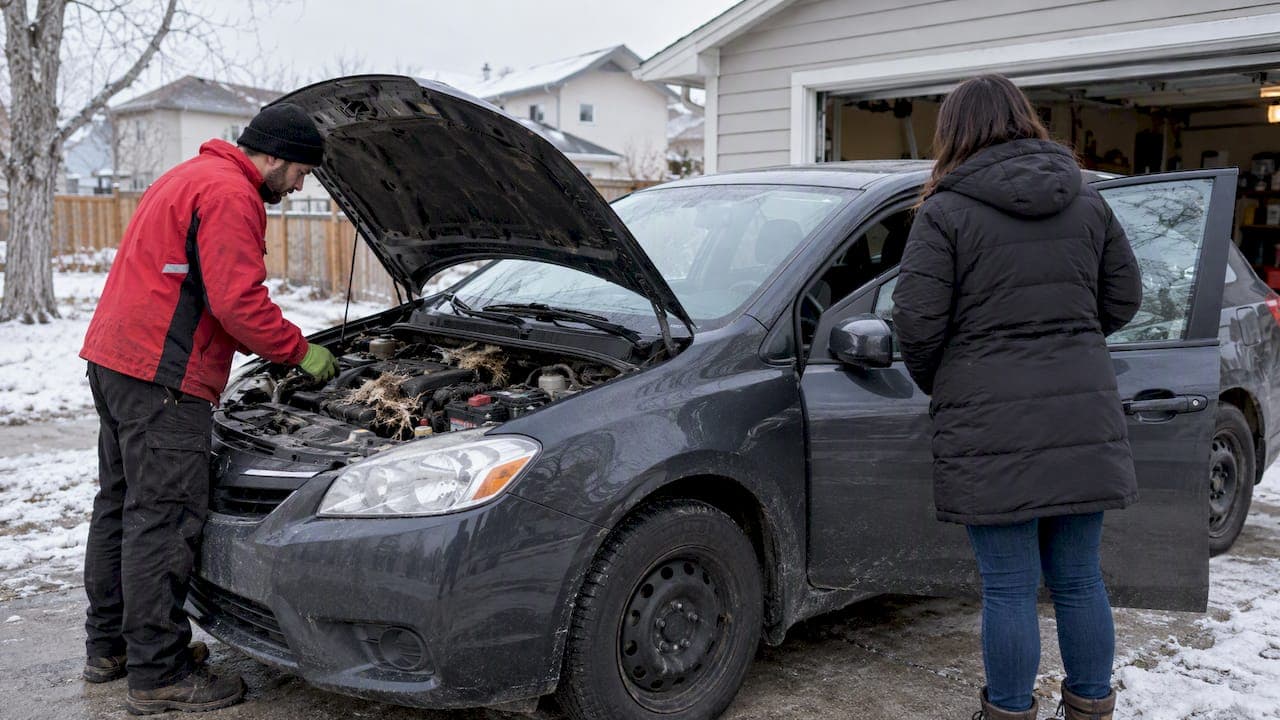
You can sell a rodent-damaged, non-running, or scrap car for instant cash and same-day pickup in most cases. Before you call a buyer, confirm your ownership and insurance status, gather your ID and a signed bill of sale, and clear access so a tow truck can reach the vehicle. A buyer asking for identification and a receipt is following standard practice, not a warning sign.
TL;DR:
- Buyers base offers on recoverable parts, scrap metal value, and the vehicle's VIN status, not its overall condition or appearance.
- Providing clear photos of damage, the VIN, and key details like keys and odometer reading speeds up same-day pickup and firm quotes.
- Selling directly involves verifying ownership, preparing a bill of sale, and ensuring access for tow trucks, with transaction records complying with local regulations.
- Severe rodent contamination can affect the pickup process and offer, so openly discussing the damage beforehand prevents delays.
- If the car is salvage or without keys, it typically does not prevent immediate sale or pickup, but full disclosure improves efficiency and conditions.
Table of Contents
- Your step-by-step checklist for a same-day cash sale
- Paperwork, legal checks, and payment rules to expect
- How buyers value a rodent-damaged or salvage vehicle
- What happens during a same-day pickup
- Why selling beats repairing a rodent-damaged car
- Get an instant quote and same-day pickup from us
- FAQ
- Sources
Your step-by-step checklist for a same-day cash sale
Getting paid today starts with a short list of tasks you can finish in an hour. None of them require a mechanic or a trip to a government office.
- Confirm you own the vehicle outright, check for any lien on the title, and make sure there's no open insurance claim tied to the rodent damage.
- Remove personal belongings, including anything stored in the glove box, trunk, or under seats where rodents often nest.
- Fill out a bill of sale with the VIN, both parties' names and addresses, the agreed price, and signatures from buyer and seller.
- Add the odometer reading and any lien information if the vehicle still has one on record.
- Photograph the VIN plate, the damage (chewed wiring, nesting material, upholstery stains), and the interior so the buyer has a clear picture before arriving.
- Locate the keys. A buyer can still tow a car without them, but having keys speeds up the process and can affect the offer.
- Clear a path to the vehicle, whether that means moving another car out of the driveway or shoveling snow from around the tires for effective road salt protection this winter.
- Tell the buyer upfront that the car is non-running and has rodent contamination. Surprises at pickup cause delays or renegotiated offers.
Pro Tip: Take your damage photos in daylight and include a shot of the VIN next to a printed date. It gives the buyer everything needed to confirm the quote without a second visit.
Honesty about the car's condition saves time for everyone. A buyer who knows what to expect can send the right equipment and finish the pickup in one trip instead of two.
Paperwork, legal checks, and payment rules to expect
Selling a damaged vehicle for cash involves fewer documents than a dealership trade-in, but a few are non-negotiable. A proper bill of sale protects both sides and should include:
- Full legal names and addresses for buyer and seller.
- The vehicle identification number, year, make, and model.
- The agreed sale price and the date of sale.
- Signatures from both parties.
- Optional but recommended: odometer reading, lien status, and payment method.
Alberta's scrap metal dealer regulation requires dealers and recyclers to collect government-issued ID and keep transaction records, and to use traceable payment methods rather than unrecorded cash. If a buyer asks to see your driver's license or offers an e-transfer and a signed receipt instead of a plain cash handoff, that's the regulation working as intended, not a sign something is wrong.
Keep a copy of the signed receipt for your own records. If the vehicle is tied to an open insurance claim or has already been declared salvage, check with your insurer before you transfer ownership. Settling a claim after the car has changed hands can complicate the payout and may reduce what you ultimately receive. For background on how write-off and salvage status work before you sell, see our guide to salvage versus rebuilt titles.

How buyers value a rodent-damaged or salvage vehicle
Offers for a rodent-damaged car come down to what's recoverable, not what the car looked like before the damage. Buyers typically weigh:
- Recoverable parts: undamaged panels, a working engine or transmission, and intact electronics.
- Scrap metal value based on the vehicle's weight and condition.
- VIN completeness and whether the title is clear or shows a lien.
- Structural damage, including chewed wiring harnesses, insulation, and frame or floor pan corrosion from waste buildup.
- Interior contamination, which can affect whether parts are salable versus scrapped outright.
- The cost of towing from your location, which gets factored into the net offer.
Insurers decide whether to write off a car by comparing repair costs against its actual cash value and projected salvage value. That same logic drives what a salvage buyer will pay you: a car worth more in scrap and parts than in repairs gets priced accordingly, and checking your claim status first avoids a conflict between an insurer settlement and your private sale.
The fastest quotes come from sellers who send a VIN photo, an odometer reading, clear shots of the rodent damage, and a note on whether keys are available. That short package lets a buyer give you a firm number without a site visit, cutting the time between your call and same-day pickup.
For a sense of how buyers handle other types of heavy damage, our guide to selling a hail-damaged car covers similar valuation logic.
What happens during a same-day pickup
Pickup day follows a predictable pattern once your paperwork is ready.
- The buyer or driver verifies the VIN against your documents and checks your ID against the name on the title.
- Both parties sign the bill of sale on the spot.
- Payment is made, usually through a traceable method or a recorded cash transaction with a signed receipt.
- The driver hooks up the tow and removes the vehicle, often within the same visit.
A few things can slow this down: missing ID, an unclear chain of ownership, no keys available, a driveway or garage the tow truck can't access, or contamination severe enough that the driver asks about remediation before loading the car. If waste buildup or odor is extensive, mention it when you book the pickup so the buyer can plan for it rather than discovering it on arrival.
Pro Tip: Ask the buyer directly whether heavy rodent contamination changes their offer or process before they dispatch a truck. A five-minute conversation avoids a wasted trip for both sides.
Why selling beats repairing a rodent-damaged car
Chewed wiring harnesses, damaged insulation, and corroded fuel lines from rodent nesting often cost more to fix than the car is worth once you add parts, labor, and diagnostic time. A shop has to trace every wire a rodent might have touched, and that labor adds up fast on an older vehicle. Specialized buyers skip that math. They price based on what's recoverable: usable parts, scrap weight, and the VIN's condition, which usually nets you more than a partial repair would cost you out of pocket. Our piece on rod knock and repair-versus-sell decisions walks through the same tradeoff for a different kind of mechanical damage.
A three-step process built around contact, pickup, and cash payment removes the back-and-forth that makes selling a damaged car feel like a project. Before you call anyone, have four things ready: a photo of the VIN, a draft bill of sale, your ID, and a plan for how the tow truck will reach the car.
— Franz
Get an instant quote and same-day pickup from us
We buy rodent-damaged, non-running, and scrap vehicles with same-day pickup and no hidden fees. Our process runs in three steps: you contact us with details about the car, we schedule a pickup time that works for you, and we pay on the spot when the tow truck arrives.
To get a fast quote, have ready:
- A photo of the VIN and the vehicle's general condition.
- Your location so we can schedule the tow.
- Notes on the rodent damage, including whether the car runs.
- Confirmation of whether you have the keys.
For pickup day, bring your ID and a signed bill of sale so payment and towing happen in one visit. Start with our cash for junk cars page, or go straight to our scrap car removal page to request your quote.
FAQ
Do I need an open insurance claim before selling a rodent-damaged car?
No, but you should check your policy status first. If the damage is tied to an active claim, confirm with your insurer how a sale affects your settlement before you transfer ownership.
Why does the buyer want my ID before paying cash?
Scrap metal and recycler regulations require buyers to collect identification and keep transaction records as a standard compliance step. This protects you as the seller by creating a paper trail tied to the sale.
What if my car was already declared salvage?
A salvage designation means the vehicle needs a salvage inspection before it can be re-registered, but you can still sell it for parts or scrap without that inspection. Tell the buyer upfront that the title shows salvage status.
Can I sell the car without keys?
Yes, most same-day buyers can still tow a car without working keys, though it's worth mentioning when you request your quote. Having keys available can make pickup faster and may factor into the offer.
What should I do if the car has heavy rodent contamination?
Mention the extent of the contamination before booking pickup so the buyer can plan for it. Severe cases may need remediation or could affect whether a buyer accepts the vehicle on the spot.
Sources
- Standard bill of sale (Alberta) — fillable form
- Alta Reg 124/2020 — Scrap Metal Dealers and Recyclers Regulation