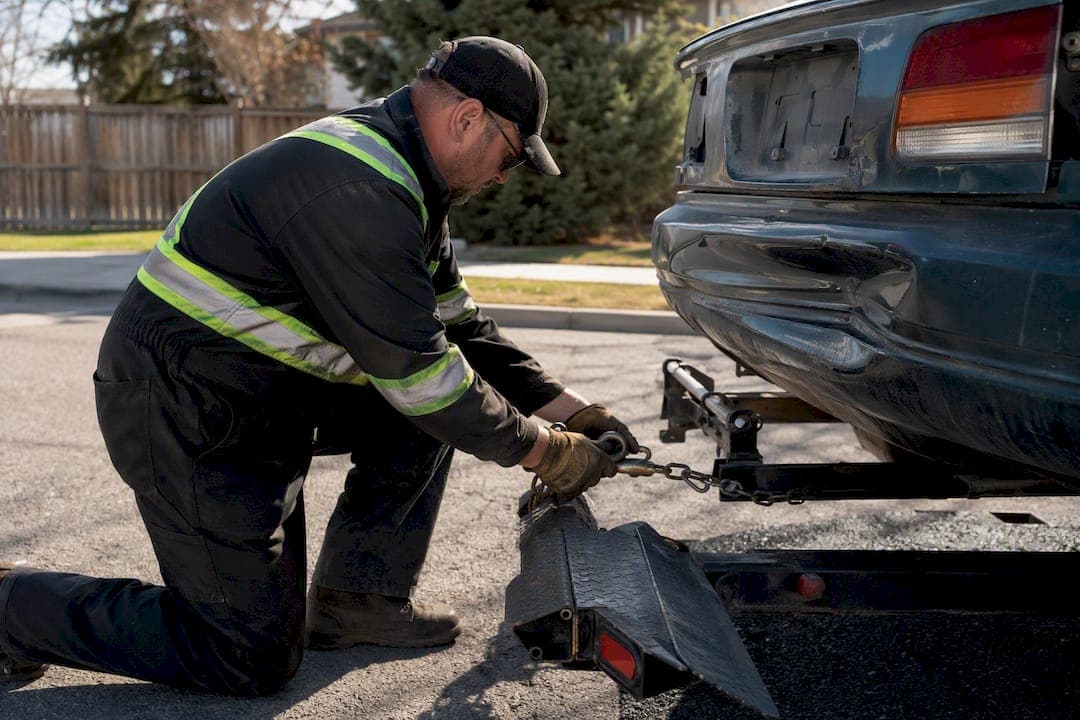
Salvage means an insurer declared the vehicle a total loss and it cannot legally be driven. Rebuilt means someone repaired that same vehicle, passed a mandatory provincial structural inspection, and got it back on the road, but the branded history never disappears from the registry. That distinction changes everything about what you pay for insurance, whether a bank will finance the car, and what it's worth the day you try to sell it.
Before you hand over a deposit on either type, do three things:
- Run the VIN through a provincial Vehicle Information Report or CARFAX/CarProof
- Demand the salvage inspection report and rebuild work plan, not just a verbal promise
- Get a written, VIN-specific insurance quote before you sign anything
Rebuilt vehicles typically sell for 20 to 40 percent less than clean-title equivalents. That gap looks like a deal until you factor in what insurers and lenders will actually offer you on the same car.
TL;DR:
- Rebuilt vehicles retain a permanent brand that affects insurance options, often limiting coverage to liability and increasing surcharges.
- The resale value of rebuilt cars typically drops by 20 to 40 percent compared to clean-title models, with the gap widening as the vehicle ages.
- Buyers must verify vehicle history through VIN-based reports, inspect repair receipts, and obtain a written insurance quote before purchase.
- Provincial inspection standards vary across Canada, so a vehicle passing inspection in one province may need reinspection when moved to another.
- For cars with salvage or rebuild issues, quick cash offers from reputable buyers like Southsidecashforjunkcars provide an efficient exit without repairs or rebuild costs.
Table of Contents
- Salvage vs Rebuilt Title: The Legal Difference in Canada
- How Provincial Inspection and Branding Programs Work
- Does a rebuilt title affect insurance in Canada?
- The Real Cost of Buying Salvage or Rebuilt Title Cars
- How to Verify a Vehicle's History Before You Buy
- Pre-Purchase Checklist for Salvage and Rebuilt Vehicles
- When Selling for Cash Beats Fixing It Yourself
- Get a Same-Day Cash Offer for Your Damaged or Salvage Vehicle
- Why the "Rebuilt Discount" Rarely Pays Off
- Key Takeaways
- Where to Verify Salvage and Rebuilt Details
- Sources
- FAQ
Salvage vs Rebuilt Title: The Legal Difference in Canada
A salvage title means an insurance company assessed the repair cost against the vehicle's value and decided it wasn't worth fixing. The car is off the road until it clears a provincial inspection. A rebuilt title is what that same vehicle becomes after a licensed shop repairs it and a government-recognized inspector certifies the structural work. The brand doesn't come off. It follows the vehicle for life, showing up on every future registry check.
A few other brands matter here too:
- Non-repairable or irreparable: damage severe enough that the vehicle can never be re-registered for road use, only sold for parts or scrap
- Salvage causes: collision damage, flood exposure, fire, theft recovery, and hail are the most common triggers; learn more about hail damage and salvage titles
- Rebuilt is not "as new": passing inspection confirms the frame and safety systems meet a minimum standard, not that every system performs like it did pre-loss
The rebuilt title vehicle you're looking at might have failed for a bent frame rail and passed after a straightening job. It might also have been under three feet of floodwater. Both can carry the same brand.
How Provincial Inspection and Branding Programs Work
Canada has no single federal salvage standard. Each province runs its own program, and that patchwork is exactly why the difference between salvage and rebuilt gets confusing fast for buyers who move between provinces or shop out-of-province listings.
- Alberta: A write-off vehicle must go through a Salvage Vehicle Inspection at a licensed facility, performed by a licensed inspection technician. The inspection can take up to four hours and reviews the rebuild work plan alongside receipts for parts and labor before the brand upgrades to rebuilt.
- Ontario: The Mandatory Vehicle Branding Program requires a structural inspection certificate from the Ministry of Transportation before a Rebuilt permit gets issued. The Rebuilt brand stays permanent on the vehicle's record once applied.
- British Columbia: Salvage vehicles need a similar structural inspection through the province's designated program before re-registration, with documentation requirements that mirror Alberta's and Ontario's.
Across all three, expect to produce proof of ownership, a valid insurance policy, and (where applicable) an out-of-province or salvage inspection record before the registry will process the paperwork.
Pro Tip: A rebuilt vehicle registered in Ontario doesn't automatically transfer that status cleanly to Alberta. Provincial inspection standards vary, so a car rebuilt and passed in one province can require a brand-new inspection when you move it across the border. Budget for that possibility if you're eyeing a listing from another province.
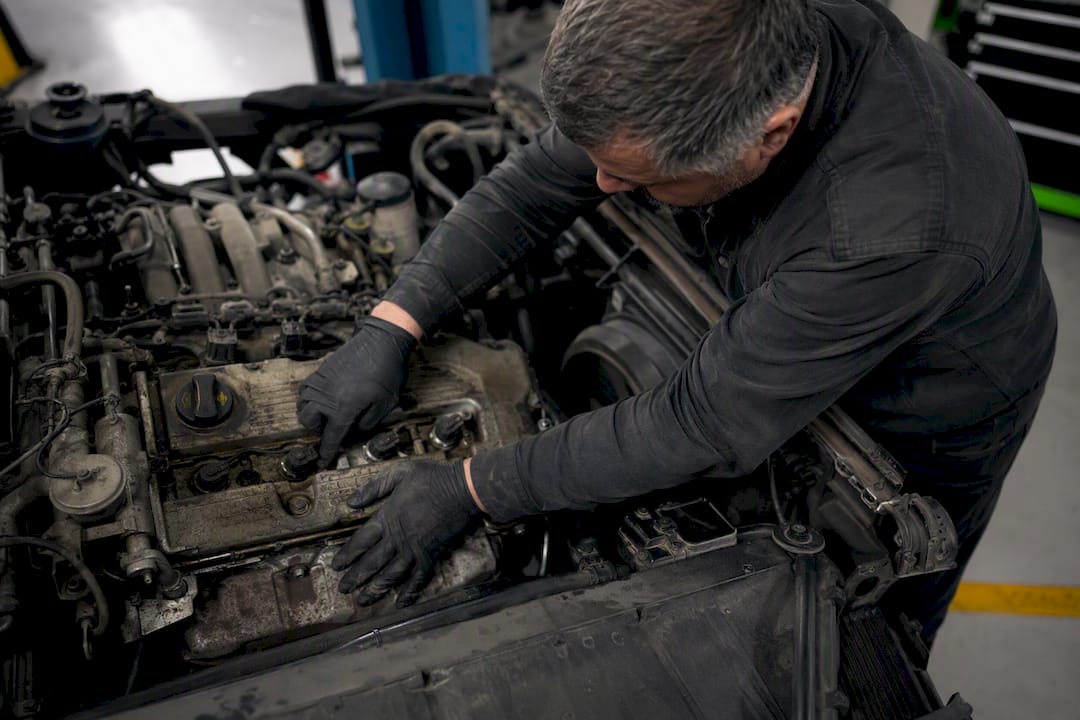
Does a Rebuilt Title Affect Insurance in Canada?
Yes, almost always, and the effect is bigger than most buyers expect. Most Canadian insurers cap rebuilt vehicles at liability or basic coverage. Comprehensive and collision coverage get denied outright or surcharged when they're offered at all.
- Standard insurers often decline comprehensive/collision on rebuilt vehicles entirely
- Where coverage exists, expect insurer-ordered appraisals, higher deductibles, and agreed-value clauses that cap any total-loss payout at rebuilt market value, not clean-title replacement cost
- A handful of regional and specialty insurers will write conditional full coverage after reviewing the inspection paperwork, but the terms come with strings attached
- Financing follows a similar pattern: many mainstream banks simply refuse loans on branded vehicles, leaving cash purchases or specialty lenders as the realistic path
That agreed-value clause is the detail people miss. If a rebuilt car you paid $15,000 for gets totaled again in a year, your payout may be capped well below what a clean-title version of the same car would fetch, even with full coverage in place.
The one rule that saves buyers real money: get a written, VIN-specific insurance quote before you commit to the purchase, not a generic estimate over the phone. Insurance underwriters price each rebuilt vehicle individually based on its specific repair history.
The Real Cost of Buying Salvage or Rebuilt Title Cars
The sticker discount is the easy part to see. The 20 to 40 percent price gap against clean-title equivalents is real, and it tends to widen further as the vehicle ages because the pool of buyers willing to touch a branded title keeps shrinking.
- Trade-in value collapses faster; many dealers won't take a rebuilt vehicle on trade at all
- Financing restrictions shrink your resale market to cash buyers, which pushes your eventual asking price down further
- Structural inspections check frame integrity and safety systems, but they don't guarantee that wiring, sensors, or airbag systems escaped water or impact damage undetected
- The insurance limits and resale collapse together often erase most of what you saved at purchase
Run the math before you buy, not after. Take the purchase discount, subtract the insurance premium difference over five years, subtract the resale gap you'll eat when you sell, and see what's actually left. For a lot of rebuilt vehicles, that number is close to zero.
How to Verify a Vehicle's History Before You Buy
- Pull a Vehicle Information Report or CARFAX/CarProof report using the VIN, and read every brand entry, not just the headline status.
- Ask the seller directly for the original salvage inspection report, the rebuild work plan, and receipts for parts and labor. A legitimate rebuild leaves a paper trail.
- Watch for red flags: a seller who won't allow a VIN check, missing receipts, vague answers about what actually got damaged, or a vehicle that's jumped provinces two or three times in a short span.
- If you're buying out-of-province, insist on proof that the vehicle passed inspection in your destination province, not just its province of origin.
Pro Tip: Title-washing, where a branded vehicle gets re-registered somewhere with looser disclosure rules to hide its history, is a documented risk in the used market. A registry-level VIN check catches what a clean-looking online listing won't tell you.
Pre-Purchase Checklist for Salvage and Rebuilt Vehicles
- Secure the VIR or CARFAX report, the structural inspection certificate, and every repair receipt before you negotiate price.
- Make your offer conditional on a written insurance quote tied to that specific VIN and an independent mechanic's structural inspection, paid for by you, not the seller.
- Use documented issues (a redone quarter panel, aftermarket parts, an unclear repair history) as leverage to negotiate the price down further.
- Walk away if the seller resists a VIN check, can't produce inspection paperwork, or if the frame shows signs of damage the inspection report doesn't mention.
A car that checks every box above can still be a smart buy for the right person. One that fails even one of these is a gamble, not a deal.
When Selling for Cash Beats Fixing It Yourself
If your vehicle just failed a salvage inspection, or the estimate to fix flood or frame damage rivals what the car is worth rebuilt, repairing it rarely pencils out. Between inspection fees, parts, labor, and the insurance headaches that follow, most owners in Calgary and Okotoks come out ahead selling as-is for cash instead of chasing a rebuilt title themselves.
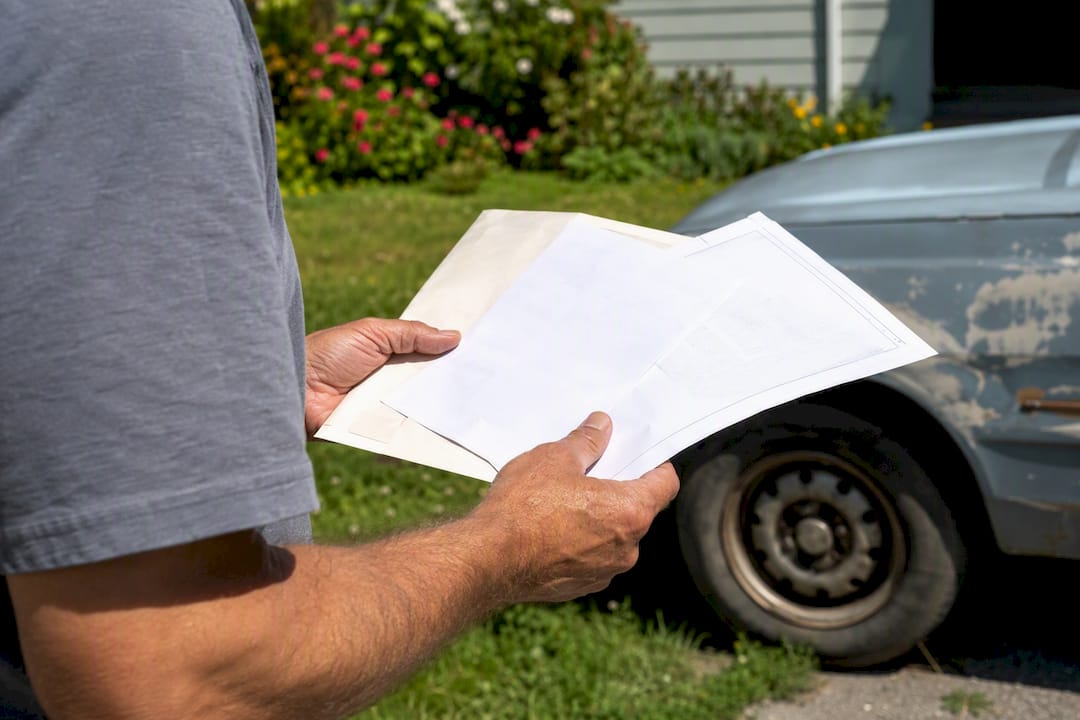
Have your VIN, ownership papers, and any inspection or damage report ready. That's usually all it takes to get a fast, fair offer without touching the repair bill yourself.
Get a Same-Day Cash Offer for Your Damaged or Salvage Vehicle
If your car failed a salvage inspection, has flood or structural damage that isn't worth repairing, or you just want out of a vehicle that's about to become an insurance and financing headache for its next owner, Southsidecashforjunkcars buys it as-is, running or not, with no rebuild required on your end.
We give Calgary and Okotoks vehicle owners a cash offer based on the vehicle in front of us, running, non-running, damaged, or scrap, and we tow it away the same day at no cost to you. There's no waiting on inspection appointments, no negotiating with buyers who want to see receipts you don't have, and no hidden fees deducted from your payout. Have your ownership papers and VIN handy when you reach out; if there's an existing damage or inspection report, that helps us move even faster. This is the practical exit for a car that failed salvage inspection or would cost more to rebuild than it's worth. Get your instant cash offer and have your vehicle picked up as soon as today.
Why the "Rebuilt Discount" Rarely Pays Off
Most advice on salvage and rebuilt titles treats the price gap as free money if you're patient enough to verify the paperwork. That undersells the real problem. The paperwork isn't the risk. The insurance and resale mechanics baked into the system are.
A rebuilt title doesn't just cost you comprehensive coverage today. It caps what you'll ever collect if the car gets totaled again, through those agreed-value clauses insurers quietly build into rebuilt policies. It also shrinks your buyer pool to cash purchasers when you eventually sell, which means the discount you got at purchase gets handed right back to your next buyer. You're not avoiding the depreciation. You're just moving it later in the ownership timeline.
None of that makes rebuilt vehicles a bad category across the board. A buyer who wants a specific car, plans to keep it for years, pays cash, and gets independent structural verification can make it work. But that buyer is the exception, not the rule the online discount math assumes. If you're financing, if you want full coverage, or if you might need to sell in three years, the math the "20 percent off" headline sells you rarely survives contact with an actual insurance quote.
— Franz
Key Takeaways
A rebuilt title vehicle can be a legitimate purchase in Canada, but only after a VIN history check, a written insurance quote, and an independent structural inspection help confirm the potential value of the discount.
| Point | Details |
|---|---|
| Salvage means off the road | An insurer declared the vehicle a total loss; it cannot be legally driven until it passes provincial inspection. |
| Rebuilt is a permanent brand | Passing structural inspection allows re-registration, but the branded history follows the vehicle forever. |
| Insurance gets limited | Most insurers cap rebuilt vehicles at liability coverage, with comprehensive often denied or surcharged. |
| Resale value drops 20 to 40 percent | The discount widens over time as trade-in refusal and financing limits tend to shrink the buyer pool. |
| Verify before you buy | Pull a VIR or CARFAX report and demand inspection records, receipts, and a VIN-specific insurance quote first. |
| Cash sale is a valid exit | For failed inspections or costly repairs, Southsidecashforjunkcars offers same-day pickup and payment without a rebuild. |
Where to Verify Salvage and Rebuilt Details
Check Alberta's salvage inspection page or Ontario's Mandatory Vehicle Branding Program, then confirm coverage terms directly with insurers like TD Insurance before signing anything.
- Alberta.ca and Ontario.ca for provincial inspection and branding rules
- TD Insurance and BelairDirect for rebuilt-title coverage terms
- RegistryExpress or CARFAX/CarProof for VIN-level history reports
Sources
- Alberta
- Mandatory Vehicle Branding Program
- Rebuilt title & car insurance — TD Insurance
- What Canadian buyers should know about rebuilt titles — RIDEZ
- Vehicle information report (VIR) — RegistryExpress
FAQ
Does a rebuilt title affect insurance in Canada?
Yes. Most insurers restrict rebuilt vehicles to liability or basic coverage, and comprehensive or collision coverage is commonly denied or comes with surcharges and agreed-value caps.
Should I avoid buying a salvage title vehicle?
A pure salvage title car isn't road-legal until it passes a provincial inspection, so buying one means taking on the repair and inspection process yourself. A rebuilt title, by contrast, has already cleared that inspection but still carries the same resale and insurance limits.
Does Canada have salvage titles?
Yes, every province runs its own salvage and rebuilt branding program, such as Alberta's Salvage Vehicle Inspection and Ontario's Mandatory Vehicle Branding Program, though the exact inspection standards differ by province.
Why would anyone buy a salvage title or rebuilt vehicle?
The purchase price is typically 20 to 40 percent lower than a clean-title equivalent, which appeals to cash buyers who plan to keep the vehicle long-term and can verify the repair quality independently. It rarely makes sense for buyers who need financing or full insurance coverage.
What documents should I demand before buying a rebuilt title car?
Ask for the Vehicle Information Report or CARFAX report, the original salvage inspection report, the rebuild work plan, and receipts for all parts and labor used in the repair.