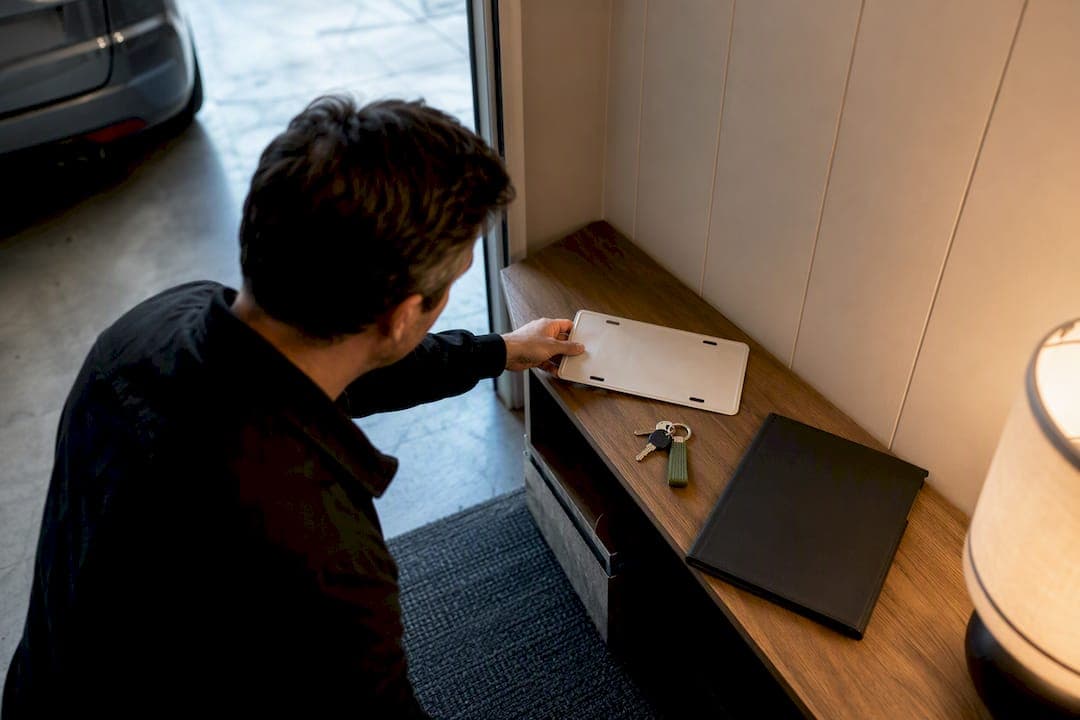
Yes, in Alberta you can usually scrap a car without license plates as long as you can prove ownership. Gather your registration certificate or a bill of sale and contact a local removal service to get a quote. Once the sale is done, you still need to handle plate cancellation with the registry to close out the paperwork and collect any refund owed to you.
TL;DR:
- Proof of ownership, such as a current registration certificate and a signed bill of sale, is critical; lost documents can often be replaced quickly through a registry agent.
- Canceling plates and transferring registration can be done at a registry office with any refund processed weeks later, but isn't necessary before selling the car for scrap.
- Removal services typically accept cars without plates or keys, using documentation and VIN verification, and can load non-running vehicles with no issue.
- Salvage or out-of-province status generally does not affect scrap sales unless you plan to re-register the vehicle and repair it.
- Getting multiple quotes and asking about towing costs is the best way to maximize payment and avoid scams when selling a junk car in Alberta.
Table of Contents
- What counts as proof of ownership in Alberta
- Alberta registry steps: canceling plates, transferring registration, and refunds
- How pickup and removal work when the vehicle has no plates or keys
- When salvage or out-of-province inspection status matters for scrapping
- What affects how much you'll get for a junk car in Alberta
- Avoiding scams and red flags when selling a car without plates
- How Southside Cash For Junk Cars handles no-plates or no-keys removals
- Steps to obtain temporary permits or permit alternatives if needed before scrapping
- Options and procedures if the car is reported stolen or has a lien
- Environmental regulations and authorized scrap yards compliance in Alberta
- Timeline overview from initiation to completion of scrapping process
- What Alberta owners consistently get wrong about scrapping without plates
- Getting cash for your car without the paperwork headache
- Sources
- FAQ
What counts as proof of ownership in Alberta
A missing plate is rarely the real obstacle. What actually stops a sale is not being able to show you own the car, so this is where to focus your prep before calling anyone.
The strongest document is your vehicle registration certificate with your name on it, matched to a signed bill of sale or transfer form and a government-issued photo ID. Together, those three cover almost every scrap sale in the province.
- Registration certificate: the current or most recent one issued in your name, even if it's expired.
- Bill of sale or transfer form: signed by you, listing the VIN, date, and sale price.
- Photo ID: driver's license or other government-issued ID matching the name on the registration.
- Backup evidence: insurance pink card, old registration copies, VIN photos, repair invoices, or a lien release if one applies.
If your original papers are lost, a registry agent can pull up a Vehicle Information Report or issue a certified copy to confirm you're the registered owner, which is often faster than hunting through old files. When a vehicle has more than one registrant listed, most buyers will ask for a signed authorization from every name on the record before they'll agree to a pickup.
Pro Tip: Take a clear photo of the VIN plate and your ID side by side before the tow truck arrives. It saves an argument on the driveway.
For a deeper walkthrough of what paperwork buyers actually check, see how to prove ownership for scrapping in Alberta.
Alberta registry steps: canceling plates, transferring registration, and refunds
Selling the car is only half the job. The registry side needs its own visit, and skipping it can cost you a refund you're owed.
- Fill out the Licence Plate / Parking Placard Cancellation form at a registry agent to cancel your registration and surrender your plates.
- Expect a cancellation fee deducted from any refund the province owes you on unused registration months.
- If you'd rather keep your plates for another vehicle, you can transfer the registration and use the existing plate on the new vehicle for up to 14 days, but the agent will still check your ID, proof of ownership, and a valid insurance pink card.
- If you can't get to a registry in person, you can mail a signed cancellation request with a photocopy of your driver's license and written verification if the plates are staying outside Alberta.
A registry agent is worth calling first in almost every case, since they can tell you exactly which form applies to your situation and whether a refund is likely. The full plate return and refund timeline is broken down in this guide to recycling license plates in Alberta.
How pickup and removal work when the vehicle has no plates or keys
Missing plates or a dead key fob rarely stops a removal service from taking the car. What they need instead is documentation and physical access.
- Proof of ownership: registration or bill of sale, matched to your photo ID.
- VIN verification: the operator will check the VIN on the dash or door frame against your paperwork.
- Signed transfer form: completed on-site before the vehicle is loaded.
- Clear access: personal items removed, and loose parts or after market accessories pulled if you want to keep them.
Non-running vehicles usually go onto a flatbed or get pulled with a winch, so a dead battery or flat tires won't hold up the job. If the keys are gone, tell the buyer ahead of time. Most crews can load a car in neutral without starting it, though an active alarm system or steering lock can slow things down, so mention that too.
Pro Tip: Before you book, ask three things: what the pickup costs, how they'll load a non-running car, and whether payment happens on the spot in cash or by e-transfer.
If you won't be there in person for the handoff, this guide to arranging pickup without the owner present covers what documentation to leave behind.
When salvage or out-of-province inspection status matters for scrapping
A salvage brand or an out-of-province history sounds alarming, but it mostly affects whether you can put the car back on the road, not whether you can sell it for scrap.
- Salvage and out-of-province (OOP) status get recorded when a vehicle was written off by an insurer or last registered outside Alberta.
- Inspections apply to re-registration, not to scrapping: out-of-province and salvage vehicles need a pass at a licensed inspection facility only if you intend to drive and register them again.
- Scrap buyers generally don't require an inspection for a salvage-branded car, since they're buying it for parts or metal rather than putting it back on the road.
- Rule of thumb: if the repair and inspection costs would exceed what the car is worth running, scrapping it is usually the more practical route.
If you're weighing repair against scrapping and want a professional opinion first, a shop listed on GarageMap's inspection and maintenance directory can give you a straight answer on what a repair would actually cost.
What affects how much you'll get for a junk car in Alberta
Payout offers aren't random. Buyers price a car against a handful of fairly predictable factors.
- Scrap metal weight and market price: heavier vehicles and stronger scrap metal prices push offers up.
- Parts demand: a common make and model with resalable parts often fetches more than an obscure one.
- Condition and completeness: a car missing its engine or catalytic converter is worth less than one that's intact.
- Hazardous materials: leaking fluids or a damaged battery can lower an offer if the buyer has to handle disposal separately.
Buyers also pay for convenience. Same-day pickup, a straightforward location, and complete paperwork tend to smooth the transaction and can influence the final number a buyer is willing to offer on the spot.
Getting two or three quotes before you commit is the simplest way to know you're not leaving money on the table. Ask each one whether towing is included in the number they quote, and get it broken down so you're not comparing a towed price against an unbowed one. It's rarely worth paying for repairs just to pass an inspection you don't need if scrapping is the plan.
Avoiding scams and red flags when selling a car without plates
Most junk car sales in Alberta go smoothly, but a few warning signs are worth knowing before someone shows up at your door.
- Refusal to give business details: a legitimate buyer will have a name, a phone number, and a real address you can check.
- Unwillingness to sign paperwork: walk away from anyone who wants to skip the bill of sale entirely.
- Pressure for an off-the-books cash deal with no transfer documents: this leaves you on the hook if the car is used or dumped illegally later.
- No proof of insurance or towing credentials on the truck itself: a legitimate operator won't mind you asking.
Pro Tip: Keep a photo of your signed bill of sale and a screenshot of any e-transfer confirmation. If a dispute ever comes up, that's your paper trail.
If something feels off, you can always call a registry agent to confirm your own owner status or request a Vehicle Information Report before you commit to a buyer.
How Southside Cash For Junk Cars handles no-plates or no-keys removals
A local removal service may buy running and non-running vehicles with same-day pickup and no hidden fees, following a straightforward process from first contact to payment. Bringing your ID, registration or bill of sale, and a photo of the VIN speeds up the on-site ownership check. The crew verifies the VIN against your paperwork, has you sign the transfer form, and pays you on the spot once the car is loaded, whether it runs or not.
For the full local process, see how to scrap a car in Calgary or Okotoks for same-day cash.
Steps to obtain temporary permits or permit alternatives if needed before scrapping
Most scrap sales don't need a permit of any kind, since the vehicle never has to be driven or re-registered before it's picked up. A permit only becomes relevant if you need to move the car under its own power to a different location before the buyer arrives, such as relocating it from a storage lot to your driveway.
If you find yourself in that situation, your options run through the same registration transfer process used for changing vehicles: an existing plate can be used temporarily on another vehicle for up to 14 days, provided the registry agent confirms your ID, ownership, and valid insurance. That window is meant for switching between vehicles you own, not for extending use of a scrap-bound car indefinitely, so treat it as a short bridge rather than a long-term fix.
In practice, the simpler and more common path is to skip the permit question altogether and arrange for the removal service to tow the vehicle from wherever it sits. Most buyers, including flatbed and winch-equipped crews, are set up to load a car that can't be driven at all, which removes the need for any temporary plate or permit in the first place.

Options and procedures if the car is reported stolen or has a lien
A lien on the vehicle needs to be cleared before you can legally sell it for scrap. Contact the lienholder, usually a bank or finance company, and get a lien release or payout confirmation showing the debt is settled. Most buyers will ask to see that release alongside your other ownership documents before agreeing to a pickup, since a car with an active lien technically still belongs partly to the lender.
If a vehicle has been reported stolen, whether by you as a past owner or by someone else, that status needs to be resolved with local police before any sale can happen. A Vehicle Information Report from a registry agent will show lien records and vehicle status pulled from the Personal Property Registry, which is a useful way to confirm a car is clear before you try to sell it, especially if you inherited it or bought it used without a full paper trail.
If you're unsure whether an old lien was ever released, a registry agent can check the record for you rather than leaving it to guesswork. Sorting this out before you call a scrap buyer avoids a wasted trip and keeps the sale from stalling at the paperwork stage.
Environmental regulations and authorized scrap yards compliance in Alberta
Fluids like oil, coolant, and brake fluid are drained and recycled separately, and batteries are pulled and sent to dedicated recycling streams rather than crushed with the rest of the vehicle.
Working with a legitimate, established removal service is the simplest way to confirm your car is handled this way, since an unlicensed operator has no obligation to follow the same disposal standards. Asking a buyer directly how they handle fluids and batteries before pickup is a reasonable question, and a reputable service will have a straightforward answer.
Timeline overview from initiation to completion of scrapping process
A scrap sale in Alberta typically moves fast once you have your paperwork together. Gathering your registration or bill of sale and photo ID is the only step that can take more than a few minutes, especially if you need a registry agent to pull a certified copy or Vehicle Information Report first.
After that, contacting a removal service and getting a quote usually takes less than a day, and same-day pickup is common when the car is accessible and the paperwork is ready. The pickup itself, including VIN verification, signing the transfer form, and payment, generally takes well under an hour.
The one step that runs on its own schedule is the registry side: canceling your registration and surrendering plates can be done the same day at a registry agent, but any refund owed to you takes several weeks to process. Budget for that separately from the sale itself so you're not expecting a refund check to arrive as fast as your cash payment did.

What Alberta owners consistently get wrong about scrapping without plates
The biggest misconception I see is that plates are the blocker. They're not. Ownership proof is the entire game, and most of the anxiety around scrapping an unplated car comes from owners assuming they need to visit a registry office before they can even talk to a buyer. In reality, the registry step comes after the sale, not before it.
The other thing conventional advice tends to overstate is the importance of a spotless inspection history. Unless you plan to put the car back on the road, a salvage brand or an out-of-province history is close to irrelevant to a scrap sale. Reading up on AMVIR rules or inspection requirements is useful only if repair is genuinely on the table.
If you take one thing from this: prioritize your documents first, call a buyer second, and treat the registry visit as cleanup you do afterward. That order saves the most time and avoids the false starts that come from overthinking the plate question.
— Franz
Getting cash for your car without the paperwork headache
If you've got the documents sorted and just want the car gone, Southside Cash For Junk Cars offers same-day pickup across Calgary and Okotoks with no hidden fees folded into the final number. The three-step process, contact, pickup, payment, is built for exactly the situation this article covers: a car with no plates, possibly no keys, and an owner who just wants it handled without a long back-and-forth.
Whether the car runs or not, get a scrap car removal quote today and have it picked up as soon as this afternoon.
FAQ
Can I drive a car I just bought without plates in Alberta?
No, you generally cannot legally drive a vehicle on Alberta roads without valid, currently registered plates on it. If you've just purchased a car, you need to register and plate it, or arrange for towing to move it, before it's driven anywhere.
What's the most a junkyard will pay for a car?
There's no fixed ceiling. Payout depends on scrap metal weight, parts demand for that make and model, overall condition, and how convenient the pickup is for the buyer. Getting two or three quotes is the most reliable way to see what your specific vehicle is worth.
How long before a vehicle is considered abandoned in Alberta?
Abandoned vehicle rules are set at the municipal level rather than provincially, so the timeline varies by city or county. Check with your local municipality's bylaw office for the specific rule that applies where you live.
What is the penalty for driving with no registration in Alberta?
Driving an unregistered vehicle in Alberta can result in a fine, and enforcement is handled by local police or peace officers. The exact penalty amount depends on the specific offense and jurisdiction, so a local registry agent or police service can confirm current figures.
Do I need an inspection before I can scrap my car?
No, an inspection is required for re-registering a salvage or out-of-province vehicle, not for scrapping it. A scrap buyer is purchasing the car for parts or metal, so it can be picked up and processed without passing any inspection first.