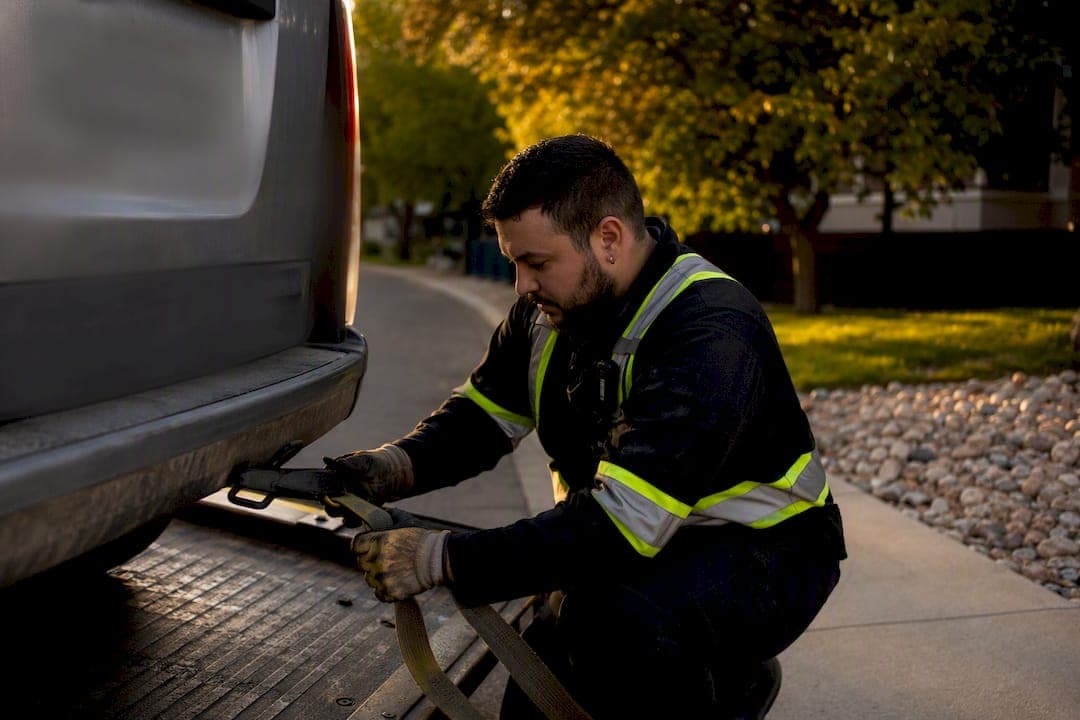
The fastest way to scrap a van is to get an instant online quote, accept a guaranteed offer, and arrange free pickup for on-the-spot payment. Get your valuation through an online form or a quick phone call, confirm the offer covers everything (including the catalytic converter), and schedule same-day towing. Southside Cash For Junk Cars pays by cash or e-transfer promptly once the tow crew loads your van, so you walk away with money very quickly after you called.
TL;DR:
- Providing detailed information upfront, including the van's make, model, condition, and photos, ensures a more accurate and higher scrap value.
- Van scrap payouts vary based on weight, metal types, and salvageable parts like catalytic converters, with larger vehicles generally worth more.
- Confirm whether the quote includes towing and the catalytic converter, as some buyers deduct these costs at pickup if not specified.
- Full disclosure of condition and components prevents lowball offers and renegotiations upon inspection.
- Choosing direct removal services typically yields better prices and convenience than dropping off at a scrapyard yourself, especially if you lack the tools to extract valuable parts.
Table of Contents
- The Van Scrapping Process: From Quote to Cash in Hand
- How Do You Get an Accurate Instant Quote?
- What Determines Your Van's Scrap Value?
- Getting Your Van Ready for Pickup
- How Long Does It Take and How Do You Get Paid?
- Red Flags to Watch Before You Accept Any Offer
- Why the Direct Cash-for-Junk Model Usually Wins
- Southside Cash For Junk Cars: Instant Quotes, Same-Day Pickup
- Sources
- FAQ
The Van Scrapping Process: From Quote to Cash in Hand
Getting rid of a dead van doesn't need to involve three phone calls, a tow truck you arranged yourself, and a buyer who "adjusts" the price when they show up. The van scrapping process has a fixed order, and skipping steps is usually what leads to a lower payout or a wasted afternoon.
- Request your quote. Fill out the online form or call in with your van's registration plate, make, model, year, and a rough description of its condition (running, non-running, accident damage). A few photos speed this up considerably.
- Get a firm number, not a range. A legitimate buyer checks your details against current scrap and parts values and gives you an actual dollar figure, not a "starting from" tease.
- Accept and schedule pickup. Once you agree to the offer, you pick a pickup window. Most reputable operators, including Southside Cash For Junk Cars, offer free towing regardless of whether the van runs.
- Hand over the keys and paperwork. The tow crew inspects the van briefly to confirm it matches what you described, then you sign a transfer of ownership.
- Get paid before the van leaves your driveway. Cash or e-transfer, on the spot. No invoices to wait on, no "check's in the mail."
That's the whole van scrapping process. Five steps, usually wrapped up within a day or two of your first call.
How Do You Get an Accurate Instant Quote?
A quote is only as good as the information behind it. Vague answers get vague numbers. If you want a reliable figure instead of a lowball estimate that gets renegotiated at pickup, be specific from the start.
- Give the exact make, model, year, and mileage.
- Say clearly whether the van runs, starts, or is completely dead.
- Send photos of the exterior, interior, and undercarriage if you can get under it safely.
- Have your VIN or license plate number ready.
- Mention specific components: an intact catalytic converter, alloy wheels, a recently replaced alternator, or a transmission that still shifts fine.
Withholding details doesn't protect you. It just means the buyer lowballs the quote to cover their risk, then either honors that lower number or renegotiates once they see the van in person. Full disclosure up front tends to produce a higher and more reliable offer than gambling on a generic first quote.
Pro Tip: Always ask directly whether the quoted price includes the catalytic converter and towing. Some buyers quote a headline number that excludes one or both, then subtract the difference at pickup.
What Determines Your Van's Scrap Value?
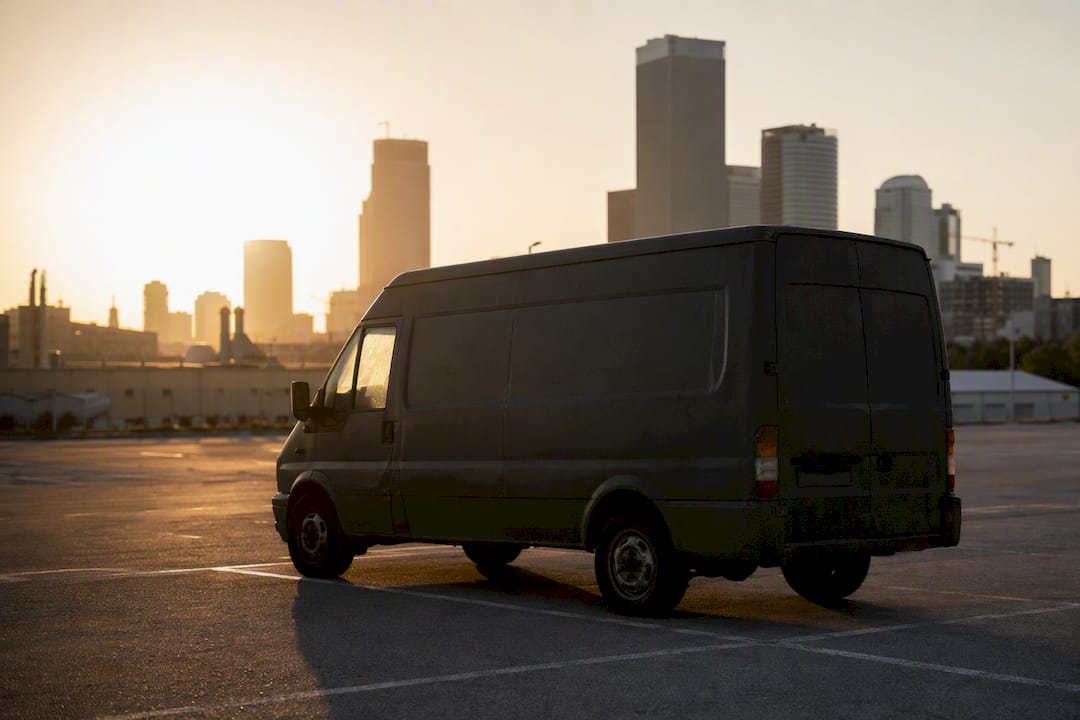
Scrap value starts with a simple calculation: your van's weight multiplied by the current local scrap metal rate. A heavier van, like a full-size cargo model, has more steel to work with than a compact minivan, so weight alone can shift the base number by hundreds of dollars.
From there, buyers adjust upward for anything they can resell rather than melt down. Scrap metal value depends heavily on metal type, grade, and cleanliness, which is why a van with intact copper wiring and unmixed metals scraps for more than one that's been sitting in a field rusting into everything else.
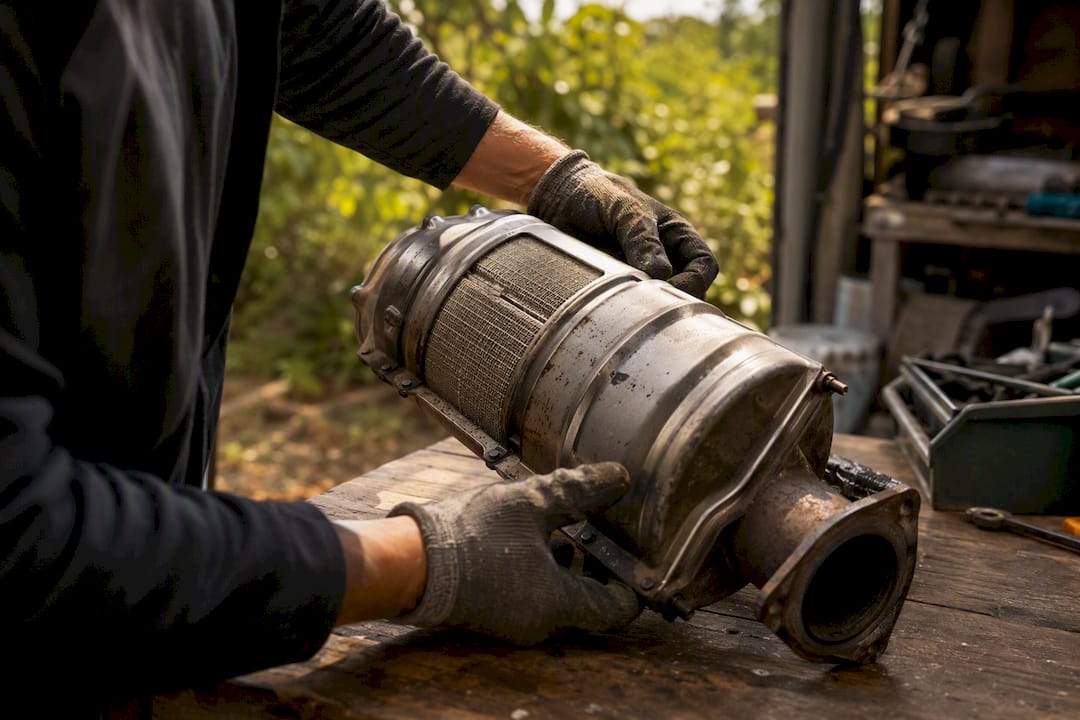
Typical value add-ons: A working catalytic converter alone can add $100 to $1,000 or more, depending on the make and current precious metal prices. Batteries, tires, and reusable parts like alternators or intact transmissions stack on top of that.
Payout ranges vary a lot by province and vehicle size. Compact vehicles often land between $200 and $2,000, mid-size vehicles between $250 and $2,500, and larger vehicles like vans and pickups between $500 and $5,000, with Alberta and Ontario generally sitting toward the higher end of those bands. Rural and Atlantic markets tend to run lower because of transport distance and fewer competing buyers. Timing matters too: scrap metal prices often climb in spring and early summer as industrial demand picks up, so a quote in April can beat one from the same van in January.
Getting Your Van Ready for Pickup
A little prep speeds up the tow crew's work and avoids awkward surprises at handover.
- Locate your signed ownership documents and a valid piece of ID. You cannot legally transfer a scrap vehicle without them, and any buyer who skips this step is cutting corners you don't want to be part of.
- Clear out personal items from the glovebox, seats, and cargo area. Once the van's on the flatbed, it's gone.
- Secure or remove loose parts, especially anything rattling around in the back, so the tow is safe.
- Wipe up obvious fluid leaks or contaminants if you can do so safely. It won't change your payout much, but it makes loading faster and cleaner for everyone.
None of this takes more than twenty minutes, and it means the crew that shows up can load and go instead of waiting on you to dig through the console.
How Long Does It Take and How Do You Get Paid?
Most sellers go from first quote to a van-free driveway within a day, sometimes stretching to two or three if you need a specific pickup window or live somewhere less central. Same-day service is standard for straightforward requests in busy service areas.
Payment happens at the point of pickup, not after. Cash and e-transfer are the two common methods, and both should land in your hands or account before the tow truck pulls away. Bank transfers exist too, but they're less common because they don't offer the same instant confirmation.
Before the crew leaves, ask for written confirmation of the agreed price alongside your receipt. It takes thirty seconds and it's your proof if any question comes up later about what you were actually paid.

Red Flags to Watch Before You Accept Any Offer
A few quick questions separate a legitimate buyer from someone who'll waste your afternoon.
- Is this price guaranteed at pickup, or just an estimate? Getting that guarantee in writing eliminates the common day-of "adjustment" for towing or processing fees.
- Are there any hidden fees for towing, paperwork, or disposal? A straight answer is "no fees, ever." Hesitation is a bad sign.
- What paperwork do they need from you? Anyone who doesn't ask for signed ownership documents and ID isn't operating within standard practice, and you don't want your van tied to a transaction that was never properly recorded.
Watch for buyers who ask for a deposit before pickup, who won't give a straight answer on payment method, or who dodge questions about their business name and location. Check their website, look at recent reviews, and get a pickup confirmation in writing before the tow truck is on its way.
Why the Direct Cash-for-Junk Model Usually Wins
Driving a dead van to a scrap yard yourself, or fielding calls from three different buyers hoping one beats the others by $50, burns a weekend for a marginal gain. A direct removal service collapses that into one call, one pickup, and one payment. You skip the transport cost entirely, and that alone often closes the gap between what a yard offers a walk-in and what a pickup service offers at your curb.
There's one exception worth naming honestly: if you're mechanically capable and can pull the catalytic converter, battery, and alloy wheels yourself before the scrap sale, a yard drop-off might net you slightly more, since you keep the parts value instead of handing it to the buyer. Most owners don't have the time, tools, or interest for that, which is exactly why the request-to-cash model exists and why it works.
— Franz
Southside Cash For Junk Cars: Instant Quotes, Same-Day Pickup
If you're ready to stop weighing offers and just get the van gone, Southside Cash For Junk Cars turns the whole process above into three moves: contact, pickup, cash. No hidden fees, no towing charges, no waiting on a check that "should arrive next week."
Southside Cash For Junk Cars runs same-day pickup across Calgary and Okotoks, whether your van runs, has a blown engine, or failed its last inspection. Every quote is built around your van's actual weight, parts, and condition, so the number you're offered is the number you get paid, in cash or e-transfer, the moment the crew loads your vehicle. For a broader look at how the company handles pickups and payment, see how the process works. If you'd rather compare the direct-removal route against a traditional scrapyard drop-off first, this breakdown of junkyards versus scrapyards lays out the tradeoffs plainly.
Get your instant quote for your junk van now and have it picked up as early as today.
Sources
- Scrap Metal Prices: Get Top Cash for Your Metal in 2026 - Quick Scrap Metal
- Vehicle Dismantling and Recycling Industry Environmental Planning Regulation — registration form (BC government)
- Average Scrap Car Price by Province in Canada | Scrap Car Buyer Toronto
FAQ
How much do you get for scrapping a van in BC or Ontario?
Payouts depend on weight and parts, not just province, but Ontario tends to sit toward the higher end of the national range, with mid-size and larger vehicles like vans often landing between $250 and $2,500. BC and Atlantic markets typically run lower due to transport distance and fewer competing buyers.
Who gives the best price for a scrap van?
The best price usually comes from a direct removal service that skips the middleman, since you avoid transport costs and get an offer built on your van's actual weight and salvageable parts rather than a generic estimate.
What is the minimum scrap value of a van?
There's no fixed national minimum, but smaller vehicles have started as low as $200 in some example ranges, while larger vans and trucks command considerably more because of their extra weight and parts.
Does the catalytic converter affect my quote?
Yes, significantly. A working catalytic converter can add anywhere from $100 to over $1,000 to your offer, so always confirm whether your quote already includes it before you accept.
What paperwork do I need to scrap my van?
You need signed ownership or transfer documents and valid photo ID. A legitimate buyer will always ask for both before pickup, since transferring a vehicle without them isn't legally valid.