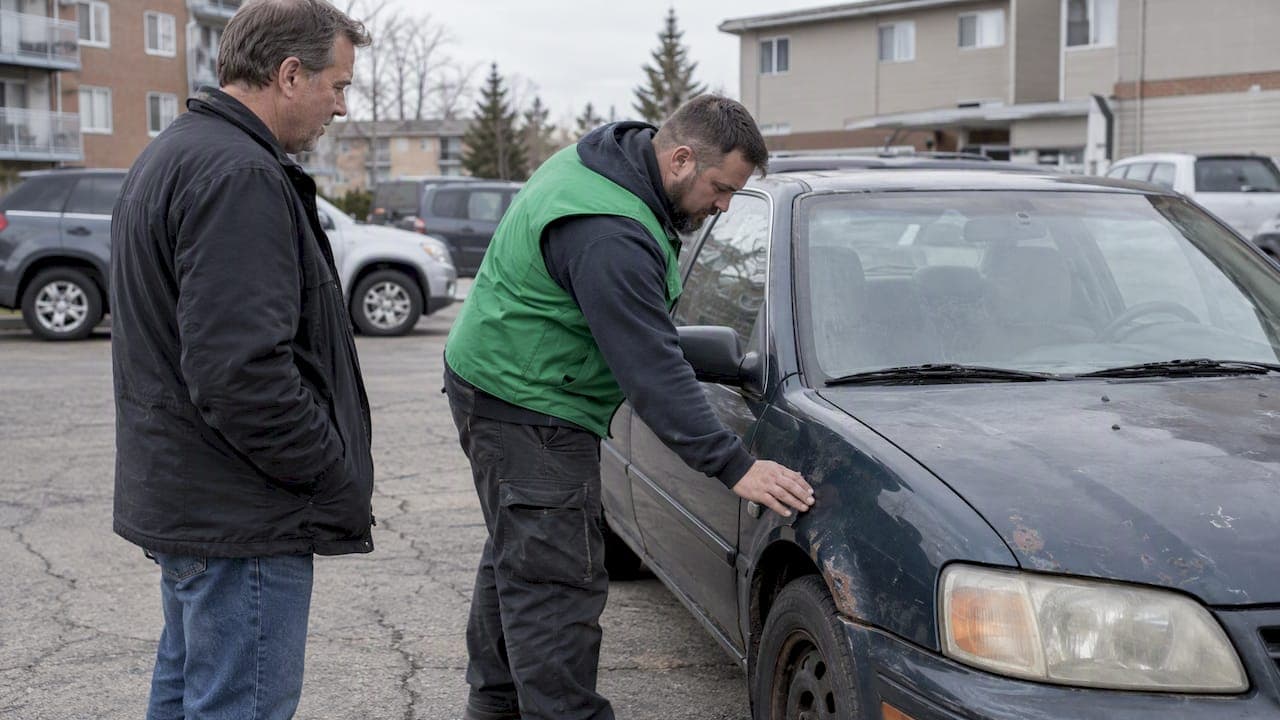
The right move for most sellers is to work with a trustworthy local cash-for-cars buyer who offers an instant, written quote and same-day pickup, rather than gambling on a classified ad or a traditional scrap yard. We operate exactly that kind of service, and the typical outcome is cash in hand and the vehicle towed away the same day you call. Before you accept any offer, run it through the checklist below to compare detailed, confirmed factors rather than vague numbers.
TL;DR:
- Buyers who base their offers on vehicle scrap weight, usable parts, and condition typically pay more than those offering flat rates, especially when they provide detailed quotes.
- Confirm that towing is free, the pickup can happen the same day, and the payment is made immediately in cash or electronic transfer to avoid hidden fees and delays.
- A signed bill of sale with both parties' details and the VIN is essential for registration and to protect you from future liability, with plates removed before vehicle pickup.
- Ask potential buyers how they handle hazardous materials and whether they follow national and provincial recycling standards to ensure environmental compliance.
- Comparing multiple written quotes, preparing your vehicle and documentation beforehand, and locking in an offer quickly can maximize your payout and streamline the process.
Table of Contents
- What to look for when choosing a junk car buyer
- How to get the most money for your junk car
- Paperwork and next steps: bill of sale, plates, and a final transfer checklist
- Environmental, safety, and compliance checks
- What running a cash-for-cars service has taught me about selling safely
- How we make selling your junk car simple
- FAQ
- Sources
- Authoritative links and official guidance
What to look for when choosing a junk car buyer
A reliable offer is built on a few verifiable facts, not a vague number pulled out of thin air. Buyers who pay well typically base their price on the vehicle's scrap metal weight, the resale value of usable parts, and its overall condition, including whether the engine or transmission still runs. A transparent quote names these factors and gives you a specific dollar figure rather than a range that gets revised once the tow truck shows up.
Pickup and towing terms deserve the same scrutiny. Ask whether towing is free, whether pickup can happen the same day, and whether the buyer needs the vehicle to be drivable or accessible from a specific spot like a driveway or parking pad. Any buyer who tries to deduct a towing fee from your payout after quoting a "free pickup" price is signaling a hidden-fee problem.
Payment timing and form matter just as much as the headline number. Insist on cash, e-transfer, or another immediate payment method handed over at the moment of pickup. Walk away from any buyer who wants to pay "after the vehicle is inspected at the yard" or who offers a conditional price that depends on what they find once it is off your property.
Paperwork protects you after the sale closes. An original signed bill of sale that lists both parties' names and addresses, the VIN, a vehicle description, the sale price, and the date is required to register a used vehicle at an Alberta registry agent, and the same document protects you if the vehicle is ever linked back to its old owner. Removing your license plates before the tow truck leaves closes that loop.
Environmental compliance is worth asking about directly. A buyer who dismantles vehicles should be able to describe how they remove fluids, batteries, and other hazardous materials before scrapping the shell, and ideally point to adherence with the National Code of Practice for end-of-life vehicle recycling.
Reputation checks round out the picture. Before you commit to a buyer, confirm:
- A real local address and a working phone number, not just a web form
- Written quotes with a specific dollar figure, not a verbal "we'll figure it out on site"
- Google reviews that mention actual pickups, payment amounts, and response times
- Evidence of membership in a recognized recycling program or compliance code
- A consistent story across the phone call, the written quote, and the pickup crew
Pro Tip: Ask the buyer to text or email the written quote before the tow truck arrives. A buyer who hesitates to put a number in writing is one to skip.
How to get the most money for your junk car
Getting a strong payout is less about haggling and more about comparing the right numbers. Follow these steps in order.
- Request two to three quotes and ask each buyer for the same line items: the base offer, whether towing is included, and the final net amount you walk away with. A quote that looks higher on the phone sometimes nets you less once a towing charge gets subtracted.
- Document the vehicle before you call. Have the VIN, year, make, and model ready, take a few photos of the exterior and interior, and note which major parts still work, such as the battery, alternator, or a recently replaced transmission. Buyers who can see the vehicle's actual condition tend to quote more accurately and more generously than ones working off a vague phone description.
- Clear out personal items before pickup so the crew can load the vehicle without delay. This small step avoids holding up the appointment and losing your pickup window.
- Watch market timing. Scrap metal prices move with global commodity markets and shift seasonally, so a quote you get today may not match one from a few weeks ago or from a few weeks ahead. Once you get a written offer you are happy with, lock it in rather than waiting to see if the market moves further, since most offers come with a short validity window.
- Know what to accept and what to reject. Accept a written quote that names a firm pickup window and makes the buyer responsible for arranging and paying for towing. Reject any offer that asks you to drop the vehicle off yourself unless the cash difference clearly outweighs the cost and hassle of doing so.
- Confirm the calculation out loud before the crew arrives. A simple line like "just to confirm, that is $400 cash on pickup, no deductions, and you're covering the tow, correct?" gives the buyer one last chance to walk back a vague promise before it costs you anything.
Buyers with transparent, verified local reviews and a track record of fast response times consistently deliver better payouts than ones offering a slightly higher number with no way to confirm it. If you want a template for comparing offers side by side, a guide to locking in a written quote walks through the exact questions to ask.
Paperwork and next steps: bill of sale, plates, and a final transfer checklist
The sale itself takes minutes, but the paperwork is what keeps you from getting a parking ticket or a liability notice for a car you no longer own. The Alberta government's required ownership documents specify that a bill of sale must include:
- Full legal names and addresses for both the buyer and seller
- The vehicle's VIN and a complete description, including make and model
- The agreed sale price and the date of sale
- Original signatures from both parties, since registry agents do not accept electronic signatures for this transaction
One document protects both sides of a cash sale: the original signed bill of sale is the single piece of paper a registry agent requires to register the vehicle under its new owner, and it is also your proof that you no longer own it.
Before the tow truck pulls away, remove your license plates. Plates remain the property of the registered owner, and returning them to a registry agent helps prevent continued liability. At pickup, hand over the keys, the signed bill of sale, and any release form the buyer provides, and keep a photographed or physical copy of everything for your own records. Most reputable buyers complete contact, pickup, and payment within the same day, so plan to have your paperwork ready before the crew arrives rather than scrambling at the curb.
Environmental, safety, and compliance checks
Proper decommissioning is not just a compliance checkbox, it is what separates a professional buyer from someone who strips a vehicle for parts with no regard for the fluids and batteries left inside. The Canadian Auto Recyclers' Environmental Code and the National Code of Practice both set expectations for how recyclers should remove and manage hazardous materials before a vehicle is crushed or scrapped, and the national program was built specifically to reduce pollution from older, high-emitting vehicles moving out of circulation.
Automotive recyclers who do not follow provincial or federal regulations can face financial liability or federal charges for noncompliance.
Before you commit to a buyer, ask these questions:
- Do you follow the CAREC guidelines or the National Code of Practice for fluid and battery removal?
- Are you a member of, or audited under, a recognized automotive recycling program?
- Do you hold any provincial permits related to hazardous waste handling or vehicle dismantling?
- Can you describe what happens to the battery, coolant, and oil once the vehicle reaches your facility?
If you later suspect a buyer handled your vehicle improperly, document their business details, photograph the vehicle's condition at pickup, and report the concern to your provincial environmental authority or the Automotive Recyclers of Canada. Improper disposal can create fines or civil liability for the operator, and a buyer who answers these questions confidently is almost always the safer choice.
What running a cash-for-cars service has taught me about selling safely

The most common mistake I see is a seller accepting the first number offered over the phone without asking what it is based on. A close second is skipping the bill of sale entirely because "it's just an old beater." Both habits create real risk: an unwritten quote can shrink at pickup, and a missing bill of sale can leave your name attached to a vehicle you no longer control.
Our own process is built to remove both problems. Contact us with the VIN and condition, we give a written quote on the spot, and payment happens at pickup once the bill of sale is signed. One Okotoks seller called about a van with a seized engine expecting a lowball offer; because she had photos and the VIN ready, we quoted and picked it up the same afternoon with no surprises at the curb.
— Franz
How we make selling your junk car simple
If you want the practical outcome this guide describes, cash in hand the same day, with no haggling over hidden fees, that is the exact service we built. We buy cars, trucks, ATVs, and side-by-sides in various conditions and arrange free towing as part of every quote.
To get started, have ready:
- The VIN and a basic description (year, make, model)
- A couple of photos showing the vehicle's current condition
- Its location and whether it is drivable
- Any known issues, like a failed inspection or a non-running engine
Once you reach out, we give you a written price, a pickup window, and payment on the spot when our crew arrives, no revised numbers and no deductions sprung on you at the curb. You can see our full range of services or go straight to our junk car buyer page to request a quote today.
FAQ
Who will pay the most for a junk car?
A local cash-for-cars buyer who prices based on current scrap and parts value, rather than a flat low offer, generally pays more than a traditional scrap yard or a national aggregator site. Getting two or three written quotes is the most reliable way to find out who that is in your area.
How do I get the most money for a junk vehicle?
Gather multiple written quotes, have your VIN and photos ready, and compare the net amount after towing rather than the headline number. Locking in a written offer once you are satisfied protects you from price drops tied to shifting scrap metal values.
What paperwork do I need to sell a junk car in Alberta?
You need an original signed bill of sale listing both parties' names and addresses, the VIN, vehicle description, sale price, and date, since registry agents require this original document to complete registration. You should also remove your license plates before the vehicle leaves your property.
What should I watch for when choosing a junk car buyer?
Watch for vague verbal quotes, towing fees deducted after the fact, and buyers who cannot describe how they handle fluids and hazardous materials during dismantling. A buyer who offers a written quote, free towing, and same-day cash payment, like the process we use at Southside Cash For Junk Cars, is a safer bet than one who avoids specifics.
How long does it take to sell a junk car for cash?
With a reputable local buyer, the process from first contact to cash in hand typically happens within the same day, including pickup. The exact window depends on the buyer's schedule and your location, so confirming a pickup time when you accept the quote helps keep things on track.
Sources
- Required ownership documents (Alberta government)
- Canadawire
- Canadian Auto Recyclers’ Environmental Code (CAREC)
- National Code of Practice (Government of Canada publication)
Authoritative links and official guidance
- National Code of Practice (Government of Canada publication)
- Required ownership documents (Alberta government)
- Bill of Sale Alberta - Free Template and Requirements Guide
- Canadian Auto Recyclers' Environmental Code (CAREC)
- Alberta government guidance and related consumer advice
- Alberta Vehicle Bill of Sale (Free PDF Template)