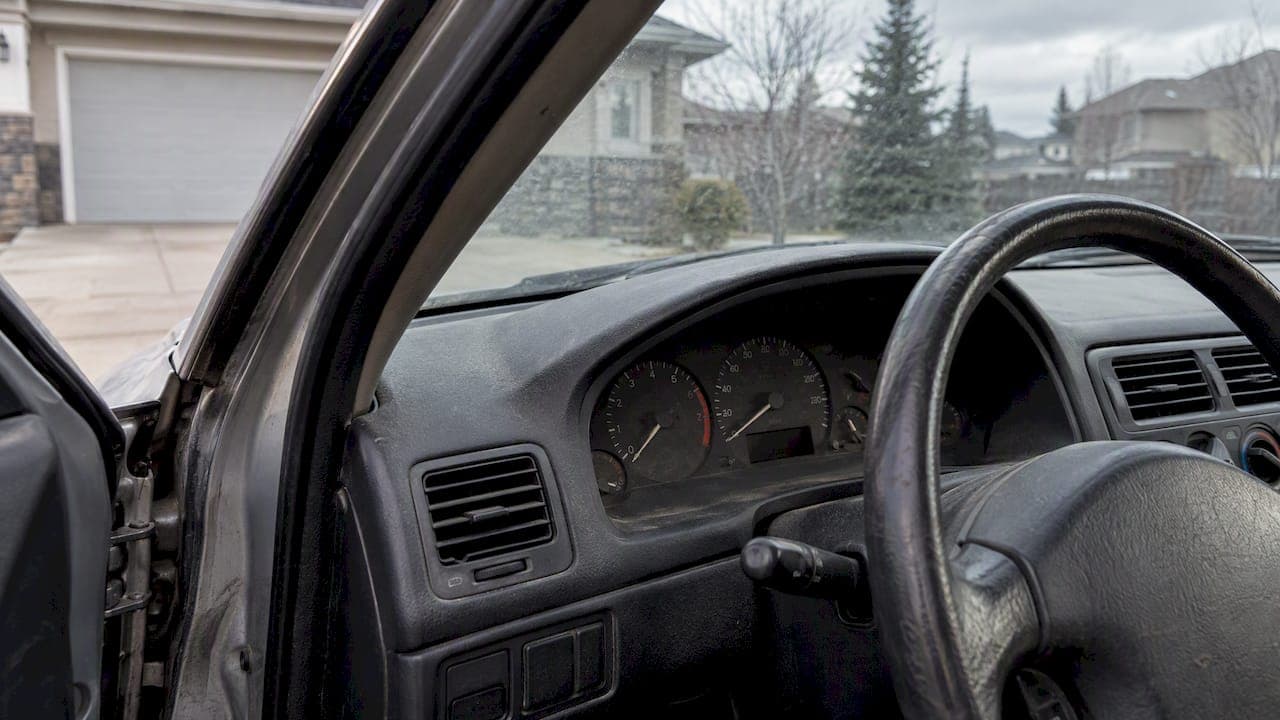
You can sell a vehicle with a broken odometer, but you need to disclose the problem in writing before any money changes hands. The first move is practical: pull together service records, registration history, and, if it makes sense financially, a short mechanic diagnostic that documents the vehicle's actual mileage range. Those three things protect you legally and help you defend your asking price.
TL;DR:
- Alberta bill of sale requires recording the maximum reading before failure if current mileage is unavailable; fraud offences carry penalties of up to 14 years.
- Combine service receipts, registration records, a vehicle history report, and an OBD II module scan; physical wear can support an estimate but cannot prove mileage.
- Private sales may bring more but take longer; dealers may discount or refuse unverifiable mileage, while cash buyers can provide towing and same day payment.
- A mechanic’s diagnosis and competing quotes may raise offers by 15% to 25% versus an undocumented sale; compare pickup and payment terms as well.
Table of Contents
- Realistic Sale Options When Your Odometer Doesn't Work
- Legal Disclosure Rules and Paperwork You Need to Get Right
- How to Estimate Mileage Without a Working Odometer
- How a Broken Odometer Affects Price and Who Still Buys
- Checklist: Preparing Your Car and Protecting Yourself Before You Sell
- Getting the Best Offer When Mileage Can't Be Verified
- Odometer Disclosure Rules for Calgary and Okotoks Sellers
- What Local Buyers Wish Sellers Knew
- A Fast, Transparent Option for Cars With Odometer Problems
- FAQ
- Sources
Realistic Sale Options When Your Odometer Doesn't Work
A private sale usually brings the highest dollar amount, but it takes longer and demands more paperwork from you, especially when mileage can't be confirmed. If the vehicle runs well and you have documentation to back up an estimated mileage range, a private buyer willing to do some homework can still pay close to market value.
Dealers tend to be cautious with unverifiable mileage. Many will lowball a trade-in offer or decline it outright, since they can't resell with a clean history report. As-is cash buyers and junk or salvage operations take a different approach: they price the vehicle on condition, parts, and scrap value rather than mileage alone, which makes them a faster and more predictable option when the odometer issue is paired with other mechanical problems.
When comparing routes, weigh more than the headline number:
- Private sale: highest potential price, slowest process, most disclosure work on you.
- Dealer trade-in: fastest paperwork, but offers are often reduced when mileage can't be verified.
- As-is cash buyer or junk service: quick decision, often includes free towing and same-day payment.
- Salvage yard: best fit for non-running vehicles valued mainly for parts and scrap metal.
Free towing and immediate payment carry real value if your car isn't driving well. A slightly lower cash offer that includes same-day pickup can beat a higher private-sale number that takes weeks to close.
Legal Disclosure Rules and Paperwork You Need to Get Right
Selling a car with unreliable mileage information comes with real legal obligations, not just best practices. Alberta's comprehensive bill of sale rules require you to record the odometer reading at the time of sale. If the reading is unavailable, you must record the maximum odometer reading the vehicle displayed before it failed, along with other condition details.
Hiding or altering mileage isn't just risky, it's a criminal matter. Odometer tampering falls under Section 380 of the Criminal Code, and fraud-related offences under that section can carry penalties of up to 14 years in prison.
That penalty ceiling is a strong incentive to disclose honestly rather than guess or omit the issue on paperwork.
Businesses selling vehicles face additional rules. The Automotive Business Regulation requires a comprehensive bill of sale, disclosure of known history, and written estimates on request, with complaints handled through AMVIC. Private sellers aren't bound by every one of those rules, but matching that standard protects you if a dispute arises later.
For a clean bill of sale, include:
- Full names and contact information for buyer and seller.
- VIN, make, model, and year.
- A clear odometer statement: either the reading or a note that it's unavailable, with the last known or maximum reading.
- "As-is" language describing the odometer fault and any other known issues.
- Signatures and the sale date from both parties.
If a dispute comes up after the sale, Alberta's odometer fraud guidance points sellers and buyers toward AMVIC for complaints and outlines common signs of tampering regulators look for, such as inconsistent service dates or wear that doesn't match the claimed mileage.
How to Estimate Mileage Without a Working Odometer
A broken odometer doesn't mean mileage is a mystery. Several sources can help you reconstruct a reasonable estimate, and the more of them you combine, the stronger your documentation looks to a buyer.
- Order a vehicle history report through CARFAX Canada or CARDAPS and review recorded mileage entries from past inspections, sales, or registrations.
- Check provincial registration history, such as UVIP or RDPRM records, for prior odometer readings logged at transfer or inspection.
- Gather service receipts and maintenance logs, which almost always list mileage at the time of each visit.
- Ask a mechanic for an OBD-II or module read. Many vehicles store mileage electronically even when the dashboard display has failed.
- Note physical wear, pedal and seat condition, tire replacement history, and timing-belt or major service intervals as supporting evidence, not standalone proof.
CARDAPS recommends combining a full history report with service records, registration checks, and an OBD-II scan to build a credible mileage picture when the dashboard reading can't be trusted.
Pro Tip: Ask the shop doing your OBD-II read for a one-page diagnostic listing the module mileage and any observable faults. It costs little and carries weight with buyers.

How a Broken Odometer Affects Price and Who Still Buys
An unreadable odometer almost always triggers an as-is discount, and the size of that discount depends on the vehicle's age, how in-demand the model is, and whether a buyer suspects tampering rather than simple failure. A newer, popular model with a clean mechanical history will take a smaller hit than an older car where the fault looks suspicious or coincides with other damage.
Several buyer types stay active even when mileage can't be confirmed:
- Private buyers who are comfortable doing their own research and reviewing your documentation.
- Independent mechanics or flippers who price based on condition and plan to repair and resell.
- As-is cash buyers who focus on towing speed and same-day payment over mileage history.
- Salvage and junk yards that value the vehicle by parts and scrap metal rather than odometer reading.
Documentation changes the number buyers offer. According to practical selling guidance for vehicles with major mechanical issues, pairing a mechanic diagnosis with multiple competing quotes can lift offers by 15 to 25 percent compared with an undocumented as-is listing. A mechanic's one-page note plus a history report is often the fastest way to close that gap.
Checklist: Preparing Your Car and Protecting Yourself Before You Sell
Getting organized before you list the car saves time and strengthens every offer you receive afterward.
- Collect service records, registration history, and any available vehicle history report.
- Get a short written mechanic diagnosis or OBD-II module read if the cost is reasonable relative to the car's value. A local repair shop's diagnostic checklist is a useful reference for what a thorough inspection should cover.
- Draft bill-of-sale language stating plainly that the odometer is non-functional, along with the last known reading and any other condition facts.
- Plan a safe test-drive: meet in daylight, verify the buyer's identification, and never hand over keys before confirming payment terms.
- Keep copies of every signed document, including the bill of sale, diagnostic report, and any written communication with the buyer, for at least two years in case a dispute surfaces later.
Pro Tip: Photograph the odometer display showing the fault before the sale. It's simple proof that you disclosed an unreadable gauge rather than a tampered one.
Getting the Best Offer When Mileage Can't Be Verified
The single biggest lever you have is competition. Request written offers from at least two or three different buyer types, a private buyer, a dealer, and an as-is cash buyer, then compare total value rather than just the dollar figure.
- Bring your mechanic's note and history report to every conversation; documented vehicles routinely draw stronger offers than undocumented ones.
- Factor in towing cost and payment speed when comparing a lower cash offer against a higher private-sale price that might take weeks.
- Walk away from buyers who pressure you to skip the written bill of sale or who ask you to state a specific mileage you can't verify.
- Treat a same-day, no-fee pickup offer as having real monetary value, not just convenience.
Sellers who show up with paperwork in hand consistently negotiate from a stronger position than those relying on verbal assurances about the car's history.
Odometer Disclosure Rules for Calgary and Okotoks Sellers
Vehicle sales in Calgary and Okotoks fall under Alberta's provincial framework, so the same comprehensive bill of sale and disclosure rules apply across both areas. There's no separate municipal odometer law layered on top, but local buyers and shops in these communities are accustomed to seeing the standard paperwork, which makes consistency worth sticking to.
Both the comprehensive bill of sale requirements and Automotive Business Regulation rules apply whether you're selling from a driveway in Okotoks or through a dealer lot in Calgary. If you're selling to or through a registered automotive business in either city, that business is required to provide a comprehensive bill of sale and disclose known vehicle history, and you have the same right as any Alberta buyer to file a complaint with AMVIC if something doesn't add up.
For private sellers in either community, the practical approach is the same one that applies province-wide: record the odometer reading or note that it's unavailable, attach supporting documents, and use plain as-is language describing the fault. Local junk and salvage buyers operating in Calgary and Okotoks are generally familiar with as-is, non-running sales and don't expect a working odometer, which is part of why that route tends to move faster than a private listing when mileage can't be confirmed.
What Local Buyers Wish Sellers Knew
The most common mistake is guessing at a mileage number instead of writing "unavailable" and backing it up with records. A close second is skipping written disclosure entirely and hoping the issue doesn't come up, which only increases risk if a buyer notices later. A third is accepting the first offer without checking what a mechanic's note or a second quote might change.
What reliably moves the needle fastest is combining a short mechanic diagnostic, a vehicle history report, and two or three competing quotes before committing to a buyer. When the vehicle isn't running, the odometer fault is one of several problems, and repair costs would exceed what the car is worth, a fast cash-and-tow sale is usually the most sensible choice rather than a drawn-out private listing.
— Franz
A Fast, Transparent Option for Cars With Odometer Problems
When a non-working odometer comes bundled with other issues, a non-running engine, major repair costs that outweigh the car's value, or simply the need for cash without weeks of back-and-forth, we offer a direct path. We buy vehicles in any condition, running or not, and pay instant cash with same-day pickup.
Before we arrive, have these ready:
- The vehicle title or proof of ownership and a piece of government ID.
- Any service records, registration history, or diagnostic notes you've gathered.
- Keys and, if possible, a brief written note on the odometer fault for the bill of sale.
At pickup, we'll walk through a signed bill of sale that documents the odometer status honestly, hand over payment, and tow the vehicle away the same day. No negotiation back and forth, no waiting on a buyer to change their mind. Get a quote through our cash for cars service and see what your vehicle is worth as-is.
FAQ
Can I legally sell a car if the odometer doesn't work?
Yes, you can sell it as long as you disclose the fault in writing on the bill of sale, noting that the reading is unavailable along with the last known mileage. Alberta's comprehensive bill of sale rules require this disclosure at the time of sale.
How can I find my car's mileage if the odometer is broken?
Check a vehicle history report, your service and maintenance records, and provincial registration history for past mileage entries. A mechanic can also pull mileage directly from the vehicle's onboard computer using an OBD-II module read.
What causes an odometer to stop working?
Odometer failure is usually tied to a faulty speed sensor, a damaged instrument cluster, wiring issues, or a software fault in newer digital displays. A mechanic's diagnostic will typically pinpoint the exact cause before you decide whether repair is worthwhile.
How much does it cost to fix a broken odometer?
Repair cost depends on whether the issue is a sensor, wiring, or the instrument cluster itself, and prices vary by shop and vehicle model. Getting a written estimate from a local repair shop before deciding to repair or sell as-is is the most reliable way to know your real cost.
Does a broken odometer reduce my car's resale value?
Yes, most buyers apply an as-is discount when mileage can't be verified, and the size of that discount depends on the car's age, demand, and whether tampering is suspected. Providing a mechanic's note and a vehicle history report alongside the sale can meaningfully narrow that gap.
Sources
- Alberta
- Criminal Code (Section 380) — Justice Laws Website
- Odometer Rollback Canada - How to Detect Fraud | CARDAPS