
Used vehicle buyers in Calgary are defined as individuals, dealerships, and wholesalers who purchase pre-owned cars, trucks, and SUVs to meet transportation needs or resell for profit. The used vehicle market, formally called the pre-owned vehicle sector by industry bodies like the National Independent Automobile Dealers Association (NIADA), serves a wide range of buyers with different budgets and goals. Understanding who purchases secondhand cars helps you set realistic expectations before you shop. Whether you are a first-time buyer or trading up, knowing the demand side of this market gives you a real edge.
Who buy used vehicles in Calgary's market?
Three distinct buyer groups drive Calgary's pre-owned vehicle sector: individual consumers, independent and franchise dealerships, and wholesale buyers. Each group operates with different motivations, budgets, and timelines.
Individual consumers make up the largest share of buyers. A striking 79% of used-vehicle buyers need a vehicle rather than simply want one. That figure tells you most buyers are not browsing casually. They are solving a real transportation problem, often under financial pressure.
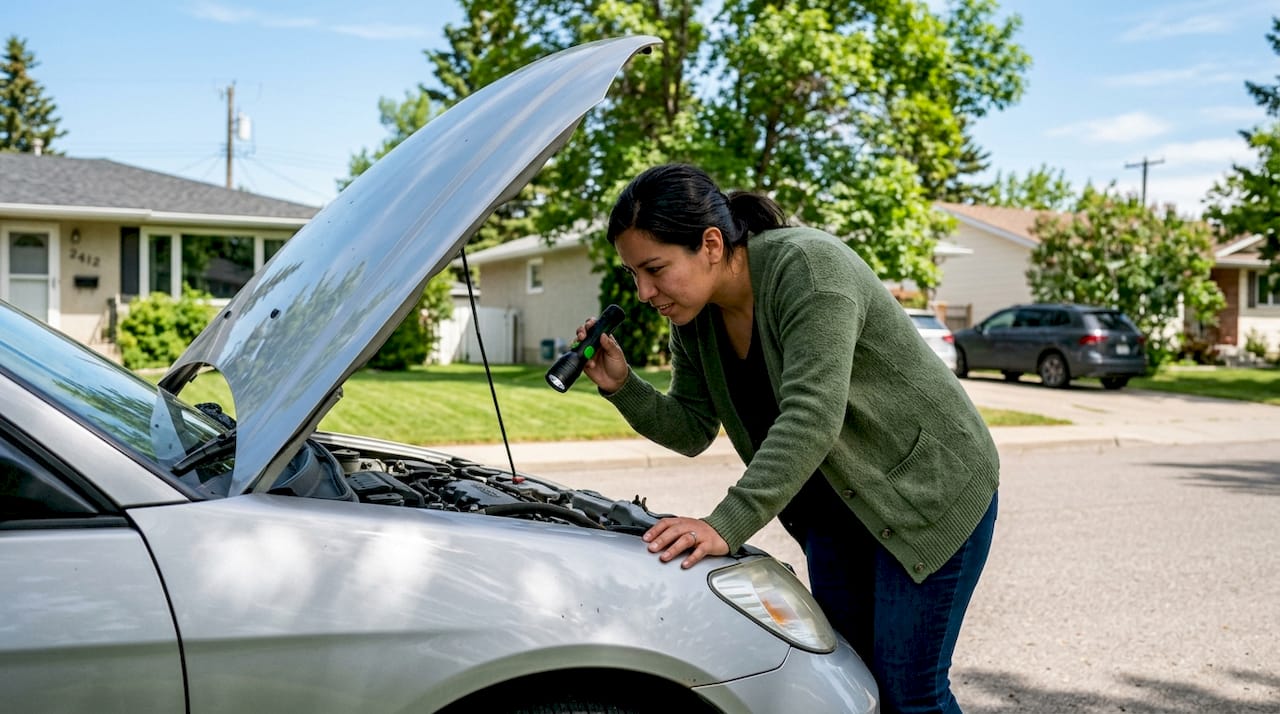
Independent and franchise dealerships buy used vehicles to stock their lots. Independent dealers tend to focus on older, higher-mileage vehicles priced under $20,000, while franchise dealerships pursue late-model trade-ins to fill certified pre-owned programs. Both groups buy at auction and through private sellers, which means your old car could end up on a dealer lot within days of you selling it.
Wholesale buyers operate behind the scenes. They purchase vehicles in bulk at auction, often vehicles that dealerships pass on, and redistribute them through regional networks. Wholesale activity directly affects retail inventory levels and pricing across Calgary.
Seasonal patterns also shape who is actively buying at any given time. Calgary's oil and gas sector creates demand spikes when resource industry workers receive bonuses, typically in the first quarter. Conversely, demand softens in late summer as families complete back-to-school spending.
Pro Tip: If you are selling a used vehicle privately, list it in late january or early february. Individual buyers are most motivated then, and dealerships are restocking after December inventory resets.
One factor that cuts across all buyer types is vehicle condition. Reported damage affects price significantly, with undamaged models commanding nearly $7,500 more on average than vehicles with a damage history. Buyers at every level factor this into their offers, which is why a clean vehicle history report is one of the most valuable documents you can have.
How does market data shape who buys used vehicles?
Calgary's used vehicle market in 2026 reflects national trends with some local twists. Canada recorded 254,881 used-vehicle transactions in april 2026, with inventory up 21.6% and average prices down 3.8% year over year. More supply and lower prices shift buying power toward consumers, which means this is a favorable environment for individual buyers right now.
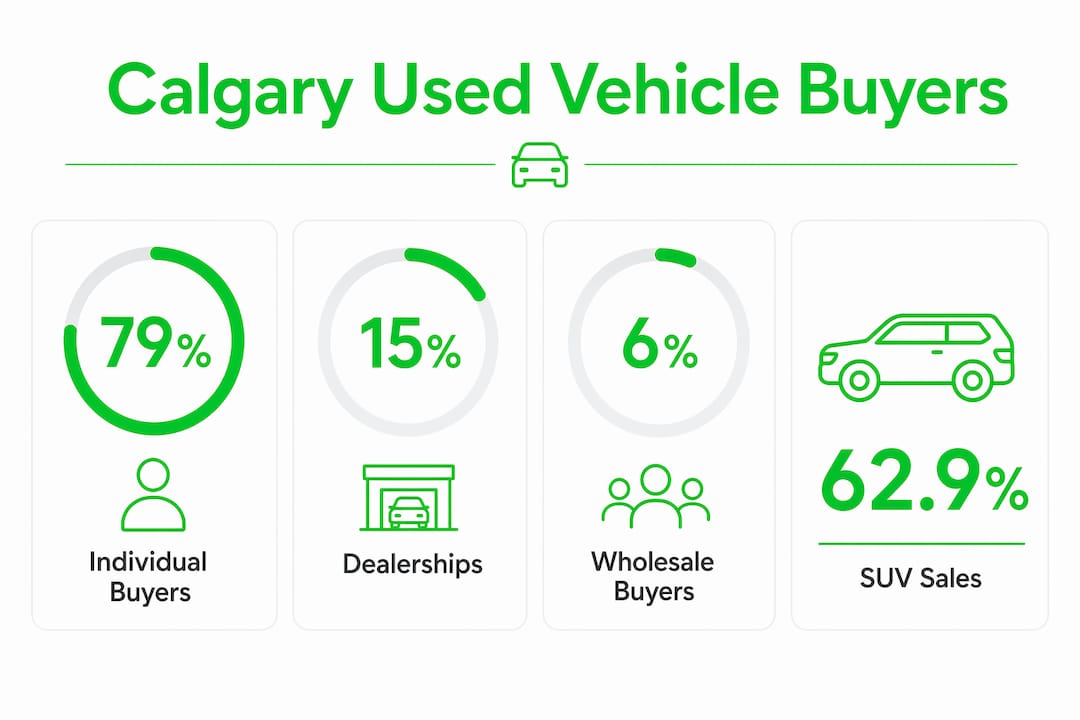
Vehicle type preferences reveal a lot about who is buying. SUVs accounted for 62.9% of used car sales in Canada in may 2026, an all-time high share. Calgary buyers reflect this trend, given the city's preference for vehicles that handle winter roads and gravel routes to recreational areas.
Used electric vehicles (EVs) are attracting a new buyer demographic. Half of used EVs now sell under $35,000, making them accessible to budget-conscious buyers who previously could not afford EV ownership. This price point is pulling younger buyers and urban commuters into the used EV segment for the first time.
The wholesale side of the market signals dealer confidence. The Manheim Used Vehicle Value Index recorded a 57.5% sales conversion rate in june 2026 with just 26.9 days' supply. High conversion and low days' supply mean dealers are buying aggressively. When dealers buy fast, retail inventory tightens, which can push consumer prices up within 30–60 days.
| Buyer segment | Typical price range | Preferred vehicle types | Key buying driver |
|---|---|---|---|
| Individual consumers | $10,000–$35,000 | SUVs, sedans, used EVs | Affordability and necessity |
| Independent dealerships | $5,000–$20,000 | Older trucks, sedans | Resale margin |
| Franchise dealerships | $20,000–$50,000 | Late-model SUVs, trucks | Certified pre-owned programs |
| Wholesale buyers | $2,000–$15,000 | Mixed, high-volume | Bulk redistribution |
Damage history creates a clear split in buyer interest. Vehicles with reported damage attract wholesale buyers and budget shoppers willing to accept lower prices. Undamaged vehicles draw individual consumers and franchise dealers who need clean history for certified programs. Understanding which category your vehicle falls into helps you target the right buyer.
When is the best time to buy used vehicles in Calgary?
Timing a used vehicle purchase in Calgary can save you thousands of dollars. January is the best month to buy a used car in Alberta, with reduced demand and motivated dealers offering 4–8% lower prices on many models. Dealerships reset their books after December, and post-holiday foot traffic drops sharply. That combination gives buyers real negotiating room.
September and october also offer strong buying conditions. Dealers push to clear summer inventory before the model year changeover, and private sellers often list vehicles before winter storage costs kick in. Trucks and SUVs tend to hold their prices better in fall because demand for winter-capable vehicles rises. Sedans and smaller cars, however, often see price softening in september as buyers shift focus to all-wheel-drive options.
| Vehicle type | Best buying months | Worst buying months | Reason |
|---|---|---|---|
| Trucks | January, February | May, June | Summer demand spike |
| SUVs | August, September | October, November | Pre-winter demand surge |
| Sedans | September, October | March, April | Spring demand recovery |
| Used EVs | January, February | Any month with new EV incentives | Incentive-driven demand shifts |
Alberta's resource sector adds a layer that most used vehicle buyers guides ignore. When oil prices rise, Calgary-area workers receive larger bonuses, and truck demand spikes fast. If you are shopping for a pickup during a commodity price surge, expect to pay a premium. Waiting even four to six weeks after a bonus cycle can save you $1,500 or more on a popular truck model.
Pro Tip: Check the Alberta government's monthly employment data for the oil and gas sector. A strong hiring month often predicts a truck price spike within six weeks, giving you a clear signal to buy before demand peaks.
External economic factors like interest rate changes also affect who benefits most from timing. When the Bank of Canada holds or cuts rates, financing costs drop and more individual buyers enter the market. That increased competition can push prices up quickly. Buyers who act during rate-hold announcements rather than after them tend to find better deals.
Where do buyers of used cars typically shop in Calgary?
Calgary buyers of used cars use four main channels: private sales, independent dealerships, franchise dealerships, and wholesale auctions. Each channel suits a different buyer profile and risk tolerance.
- Private sales offer the lowest prices but require the most due diligence. Buyers deal directly with owners, which means no warranty and no certified history unless the seller provides a third-party report. Private sales work best for experienced buyers who know how to assess vehicle condition.
- Independent dealerships stock a wide range of vehicles across price points. They offer more flexibility on price than franchise dealers and often carry vehicles that did not qualify for certified pre-owned programs. The trade-off is that warranties are shorter and financing options may be limited.
- Franchise dealerships provide certified pre-owned programs with manufacturer-backed warranties. Prices are higher, but buyers get documented inspection records and financing through the manufacturer's credit arm. This channel suits buyers who prioritize peace of mind over price.
- Wholesale auctions are technically closed to the public in most cases, but understanding how they work helps buyers anticipate retail inventory shifts. When wholesale sales conversion rates are high, retail lots restock faster, which improves selection within a few weeks.
Online research is the starting point for nearly every buyer. Buyers browse more than five websites and use third-party listing sites in 77% of purchases. That behavior means the best deals are rarely found on the first site you visit. Comparing listings across multiple platforms before contacting a seller is standard practice, not extra effort.
No-haggle pricing is increasingly common in Calgary dealerships, shortening the time to sale to around 34 days. Transparent pricing benefits buyers who dislike negotiating and helps sellers move inventory faster. If you find a no-haggle dealer with a vehicle you want, the price you see is close to the price you will pay, which simplifies budgeting considerably.
Verifying vehicle history before any purchase is non-negotiable. A CARFAX Canada report reveals accident history, odometer readings, and ownership records. Given that 30.9% of listed vehicles had reported damage in april 2026, the odds are roughly one in three that a vehicle you look at carries a damage flag. Knowing that before you make an offer protects your negotiating position and your wallet. For buyers considering vehicles with mechanical issues, understanding your options around selling a non-running car can also clarify what sellers in that position are willing to accept.
Key Takeaways
The most effective approach to buying a used vehicle in Calgary is combining market timing, buyer-segment awareness, and thorough vehicle history verification before making any offer.
| Point | Details |
|---|---|
| Buyer segments vary widely | Individual consumers, dealerships, and wholesalers each have distinct price ranges and vehicle preferences. |
| January offers the best deals | Reduced demand and dealer book resets in January create 4–8% price advantages for Calgary buyers. |
| SUVs dominate the market | SUVs made up 62.9% of Canadian used car sales in May 2026, reflecting strong local demand. |
| Damage history cuts value sharply | Vehicles with reported damage sell for nearly $7,500 less on average than undamaged equivalents. |
| Online research is mandatory | Buyers use more than five websites and third-party sites in 77% of purchases before deciding. |
Franz's take on buying in Calgary's used vehicle market
The conventional wisdom says "buy in January and you'll save money." That is true, but it misses the bigger picture. The buyers who consistently get the best deals in Calgary are not just timing the market. They understand which buyer segment they are competing against.
When you walk into a dealership in january, you are not just competing with other individual buyers. You are competing with wholesale buyers who moved fast at auction two weeks earlier. If wholesale conversion rates are high, the best vehicles never reach the retail lot. That is why I track the Manheim Index before I advise anyone on timing. A 57.5% conversion rate in june 2026 tells me dealer lots were restocking aggressively. That inventory hits retail in late summer, which creates a secondary buying window that most guides completely ignore.
The damage history issue is where I see Calgary buyers make the most costly mistakes. A $7,500 price gap between a damaged and undamaged vehicle sounds like a bargain for the damaged one. But repair costs in Calgary, where labor rates are among the highest in Western Canada, can easily exceed that gap. Always get a pre-purchase inspection from an independent mechanic before you commit. The $150 inspection fee is the best money you will spend in the entire transaction.
My honest advice: spend your 16.5 hours of research time not just comparing prices, but understanding which buyer segment is most active in the week you plan to buy. If dealers are buying hard at wholesale, wait three to four weeks for that inventory to hit retail lots. Patience in this market is a genuine competitive advantage, not just patience for its own sake.
— Franz
Southsidecashforjunkcars: your Calgary vehicle transaction resource
Understanding who purchases secondhand cars and what drives their decisions puts you in a stronger position, whether you are buying or selling. For Calgary residents with a vehicle they no longer need, turning that asset into cash quickly is often the smarter first step before upgrading to a new purchase.
Southsidecashforjunkcars specializes in fast, transparent vehicle removal across Calgary and Okotoks, paying cash for vehicles in any condition, running or not. There are no hidden fees, no lengthy negotiations, and same-day pickup is available. If you have an older vehicle sitting in your driveway, getting a cash offer for your car takes minutes and puts money in your hand the same day. For more local insights on Calgary junk car buyers and what they look for, Southsidecashforjunkcars publishes practical guides to help you get the best outcome from your vehicle.
FAQ
Who are the main buyers of used vehicles in Calgary?
The main buyers of used vehicles in Calgary are individual consumers seeking affordable transportation, independent and franchise dealerships restocking inventory, and wholesale buyers purchasing in bulk at auction. Each group targets different vehicle types and price ranges.
What is the best time to buy a used car in Calgary?
January is the best month to buy a used car in Alberta, with dealers offering 4–8% lower prices due to reduced demand and post-December inventory resets. September and october also offer strong deals as dealers clear summer stock.
How much does damage history affect used vehicle prices?
Reported damage reduces a vehicle's average price by nearly $7,500 compared to an undamaged equivalent. With roughly 30.9% of listed vehicles carrying a damage flag in april 2026, always request a CARFAX Canada report before making an offer.
How do buyers of used cars typically research their purchase?
Buyers spend an average of 16.5 hours researching online and browse more than five websites before purchasing. Third-party listing sites are used in 77% of transactions, making multi-platform comparison the standard approach.
Are used EVs worth considering in Calgary's market?
Used EVs are increasingly accessible, with half of used EV sales in Canada falling under $35,000 in may 2026. For Calgary commuters, a used EV at that price point offers lower fuel costs, though buyers should verify battery health before purchasing.