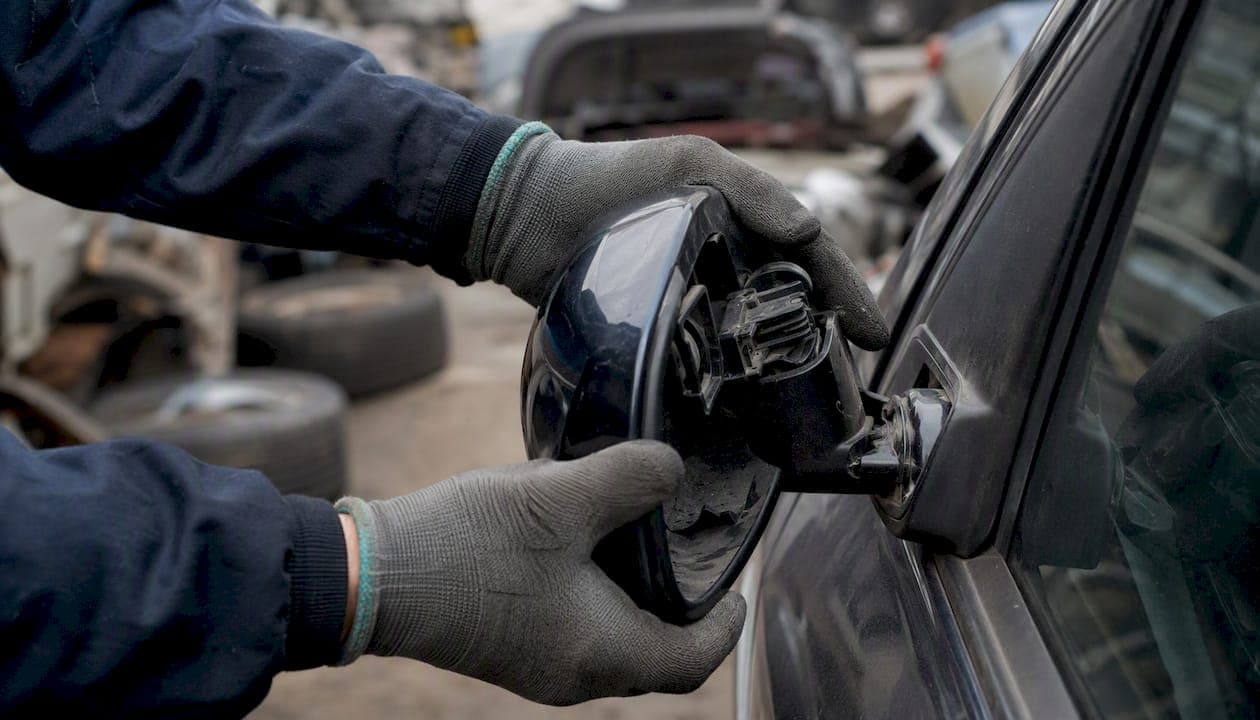
If you want fast cash for a wrecked or non-running car, a scrapyard pays by metal weight and moves quickly. If your vehicle still has a working engine, transmission, or rare body panels, a salvage yard (commonly called a junkyard) will usually pay more because it prices by part demand. For pure environmental recycling with no cash expectation, a certified scrap recycler is the right call.
Your one-line action by goal:
- Sell fast for cash: Contact a removal service or scrapyard for a same-day offer.
- Maximize parts value: Call a salvage yard and describe your VIN, model, and known working parts.
- Recycle responsibly: Drop off at a certified scrapyard or metal recycler that follows EPA fluid-handling rules.
Key Takeaways
Scrapyards pay by metal weight and move fast; salvage yards pay more when parts are intact; hybrid operations often deliver the highest total payout for vehicles with salvageable components.
| Point | Details |
|---|---|
| Match facility to your goal | Scrapyard for speed, salvage yard for parts value, hybrid for maximum total return. |
| 75% of a vehicle is recyclable | Even a fully non-running car has real material value at a scrapyard. |
| Title is non-negotiable | Licensed yards require proof of ownership and valid ID before accepting any vehicle. |
| Get same-day quotes | Comparing two or three offers on the same day gives the most accurate market read. |
| Southsidecashforjunkcars | Offers same-day free pickup and instant cash in Calgary and Okotoks with no hidden fees. |
Table of Contents
- What is a scrapyard and how does it work?
- How junkyards and salvage yards actually differ from scrapyards
- Scrapyard vs. junkyard vs. salvage yard: a side-by-side look
- How yards determine what your vehicle is worth
- Which option should you choose based on your situation?
- How to prepare your vehicle and get the best offer
- U.S. legal and environmental notes before you sell
- Why a removal service simplifies the process for most sellers
- Southsidecashforjunkcars makes the choice simple
- Sources
- FAQ
What is a scrapyard and how does it work?
A scrapyard's core business is scrapyard recycling: buying metal-bearing material, sorting it by type, and selling it to refineries or metal brokers. Vehicles are one input among many. Appliances, wiring, structural steel, and aluminum all flow through the same operation.
What scrapyards typically accept:
- Whole vehicles (running or not), stripped shells, and vehicle frames
- Ferrous metals: steel and iron from any source
- Non-ferrous metals: copper, aluminum, brass, stainless steel
- Appliances, HVAC components, and electrical wiring
Pricing at a scrapyard comes down to two variables: metal type and weight. State-certified scales are standard at reputable operations, so the weight you see on the ticket is the weight you get paid on. Copper pays more per pound than steel; aluminum sits in between. The daily market rate for each metal shifts with commodity prices tracked by organizations like ISRI, so the offer you get on Monday may differ from Friday's.
Most scrapyards require proof of ownership and a valid ID before they accept a vehicle. Some states require a notarized title or a bill of sale if the title is missing.
Pro Tip: Before you pull into a scrapyard, remove any copper wiring, aluminum wheels, or catalytic converter that you can legally and safely detach. Non-ferrous metals pay significantly more per pound than the bulk steel rate your car body will earn.
How junkyards and salvage yards actually differ from scrapyards
The terms junkyard, salvage yard, and wrecking yard are used interchangeably across the U.S., though regional preferences vary. Operationally, they all share the same model: dismantle decommissioned vehicles, sell usable parts for repairs, and send the remaining metal to recyclers. That two-step process is what separates them from a pure scrapyard.
A salvage yard buys your car primarily for its parts inventory. Engines, transmissions, doors, glass, airbag modules, and OEM body panels all have a resale market. Some yards, like Gardner Auto Parts in Pompano Beach, maintain searchable parts inventories and even offer return policies on used components. The yard's profit comes from selling those parts to repair shops and DIY mechanics, not from the scrap metal value of the shell.
What salvage yards typically accept and track:
- Vehicles in any condition, including flood-damaged, fire-damaged, or high-mileage
- Parts-rich vehicles: popular makes and models with high part demand
- Inventory tracked manually or through computerized systems (some yards use nationwide part-locator networks)
Pricing works differently here. Junkyards value a car based on part demand, part condition, and the vehicle's make, model, and year — not solely its weight. A 2018 Honda Civic with a blown head gasket but an intact transmission and undamaged interior panels is worth considerably more to a salvage yard than its scrap weight suggests.
Pro Tip: Call ahead and tell the yard your VIN. Many salvage operations run it through their inventory system before you arrive and can give you a ballpark offer on the phone. Showing up without that information often means waiting while they look it up on-site.
Scrapyard vs. junkyard vs. salvage yard: a side-by-side look
Junkyards dismantle vehicles to sell usable parts while scrap yards typically crush and sell raw metal. That single operational difference drives every other contrast below.
| Primary purpose | What they accept | How value is calculated | Typical payout model | Best for |
|---|---|---|---|---|
| Metal recycling and resale | Vehicles, appliances, any scrap metal | Metal type + weight at certified scales | Cash per pound at market rate | Fast sale, environmental recycling |
| Parts resale and inventory | Vehicles with salvageable parts | Part demand, condition, model/year | Flat offer or negotiated price per vehicle | Maximizing value from working parts |
| Parts resale then scrap (hybrid) | Any vehicle | Parts value + residual scrap weight | Combined offer | Highest total payout when parts are intact |
The hybrid model deserves attention. Some salvage operations pull high-value parts first, then sell the stripped shell to a scrapyard. These hybrid businesses often deliver the highest total vehicle value when a car still has salvageable components. If you get a quote that seems low from a pure scrapyard, it may be worth one call to a hybrid operation.
Common seller situations mapped to the right facility:
- Car is completely totaled, no working parts: scrapyard or removal service
- Car runs but has a rebuilt title or failed inspection: salvage yard or hybrid operation
- Car has a rare or high-demand engine: salvage yard first, then compare to scrapyard offer
- Owner wants zero hassle and same-day cash: removal service
How yards determine what your vehicle is worth
The factors each type of yard uses are genuinely different, and knowing them helps you frame your vehicle accurately when asking for quotes.
Scrapyard pricing factors:
- Current commodity price for steel, aluminum, copper, and other metals
- Gross vehicle weight minus fluids and non-metal components
- Whether the vehicle is whole or already stripped
- Local demand and proximity to a refinery or metal broker
Salvage yard pricing factors:
- Demand for specific parts from that make, model, and year
- Condition of the engine, transmission, and electronics
- Availability of that model in the local salvage market (rarer models command more)
- Total number of sellable parts the yard estimates it can pull
Location and fuel prices also play a role. A yard that has to tow your car 40 miles will deduct that cost from the offer. Scrap metal market swings can move offers by a meaningful amount week to week, which is why getting quotes from two or three buyers on the same day gives you a more accurate picture than comparing quotes taken a week apart.
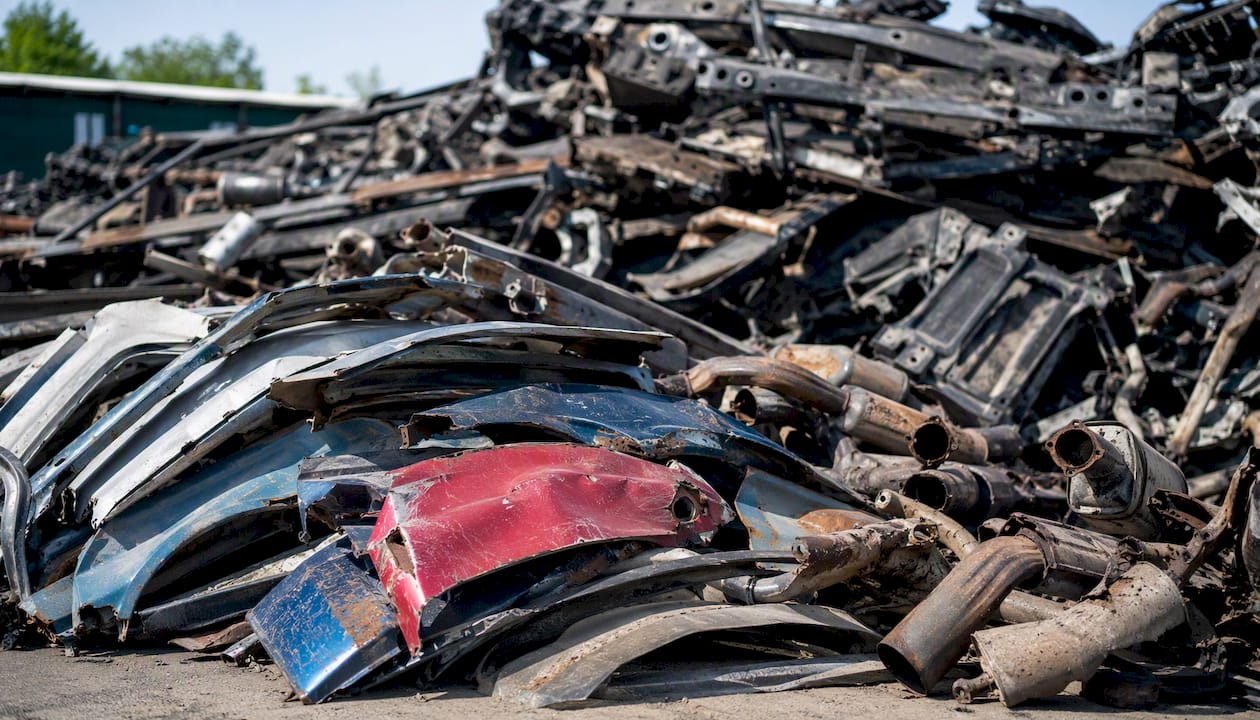
Industry estimates put the recyclable portion of a vehicle at about three-quarters, which means even a completely non-running car still has real material value.
Which option should you choose based on your situation?
Match your goal to the right facility before you make a single call.
- You want cash today, no towing hassle: A removal service or scrapyard that offers free pickup is the fastest path. Expect a same-day or next-day offer and payment on pickup.
- Your car has working mechanical parts: Contact a salvage yard first. Describe the VIN, engine code, mileage, and what works. Compare that offer to a scrapyard quote before deciding.
- Your car is stripped or already partially dismantled: Go straight to a scrapyard. There is little parts value left, and weight is all that matters.
- You want the highest possible total return: Look for a hybrid operation that harvests parts and scraps the shell. The process takes longer but often yields more.
- Environmental recycling is the priority: A certified scrapyard or metal recycler that follows EPA fluid-handling standards is the right choice. Ask whether they are ISRI members or state-certified.
Timeline expectations:
- Removal service or scrapyard with free pickup: quote within hours, pickup same day or next day
- Salvage yard drop-off: quote on arrival or by phone after VIN check, payment same day
- Hybrid operation: may take a day or two to assess parts before finalizing an offer
Payout levels in qualitative terms: salvage yards and hybrid operations tend to pay more when parts are intact; scrapyards pay less per vehicle but move faster; removal services that offer free towing often match or beat scrapyard rates when you factor in what you would have spent on a tow truck.
How to prepare your vehicle and get the best offer
A little preparation before you call can add real money to your offer and prevent delays at pickup.
Seller checklist:
- Locate your title and a valid government-issued ID. Licensed yards require proof of ownership before they accept a vehicle.
- Remove all personal items: registration documents, insurance cards, garage openers, and anything stored in the trunk or under seats.
- Pull any aftermarket parts you installed and want to keep: upgraded stereo, custom wheels, or a roof rack.
- Note all known problems honestly: blown engine, transmission slipping, frame damage, flood history.
- Take clear photos from all four corners, the engine bay, and the interior before you call.
When you request a remote quote online, include the VIN, current mileage, and a short description of what works and what does not. Vague descriptions lead to lowball offers that get revised downward again at pickup.
Pro Tip: Describe parts accurately using the VIN and engine code, not just "it runs." Salvage yards price specific components, and a yard that knows your 2.5L engine is intact will bid more than one that assumes it is seized.
Getting multiple quotes from two or three buyers on the same day is the single most reliable way to know whether an offer is fair. The spread between the lowest and highest bid often reveals which yard has current demand for your vehicle's parts.
U.S. legal and environmental notes before you sell
A few rules apply regardless of which type of yard you use, and ignoring them can delay or void a sale.
Documentation and ownership:
- A clear title in your name is the standard requirement. If the title is lost, most states allow a replacement through the DMV before you sell.
- Valid government-issued ID is required at virtually every licensed yard.
- Some states require a bill of sale even when a title is present. Check your state DMV's website before scheduling pickup.
Environmental requirements:
- Yards that accept whole vehicles must drain and properly dispose of gasoline, motor oil, coolant, brake fluid, and transmission fluid.
- Batteries contain lead and acid; licensed yards handle disposal under federal and state hazardous-waste rules.
- Air conditioning refrigerants (R-134a and newer HFO blends) must be recovered by a certified technician before a vehicle is crushed. The EPA's Section 608 regulations govern this.
- Catalytic converters have specific documentation requirements in many states due to theft-related legislation passed in recent years.
Why a removal service simplifies the process for most sellers
For the majority of vehicle owners, the fastest and least complicated path is a removal service that handles towing, paperwork, and payment in a single visit. Southsidecashforjunkcars offers instant quotes and same-day pickup in Calgary and Okotoks, which removes the two biggest friction points: arranging a tow and waiting for payment. Sellers get cash on the spot, no hidden fees, and no need to coordinate separately with a scrapyard or salvage yard. The three-step process (contact, pickup, payment) is straightforward enough that most sellers complete it in under 24 hours.
Southsidecashforjunkcars makes the choice simple
Sorting out whether a scrapyard, salvage yard, or hybrid operation pays more takes time most sellers do not want to spend. Southsidecashforjunkcars cuts through that by offering a single, transparent cash offer for junk, non-running, damaged, and failed-inspection vehicles, with same-day free towing included. No hidden fees, no towing bill deducted after the fact, and no negotiation that drags on for days.
The service covers Calgary and Okotoks, and the process is three steps: get a quote, schedule pickup, receive cash. If your car has a blown engine, a failed transmission, or simply has not moved in months, get a fast cash offer and have it gone by tomorrow.
Sources
- Wrecking yard
- What's the Difference Between a Junkyard and a Scrap Yard? | Junk Car Medics
- Junkyard vs Scrap Yard: Key Differences and Uses Explained
- Scrap Yard Services, Aluminum, Copper, Stainless Steel & Iron Scrap Prices Middlesex, Somerset, Union & Hunterdon County NJ - Klein Recycling
- Isri
FAQ
Is a junkyard and a scrapyard the same thing?
No. A junkyard (salvage yard) dismantles vehicles and resells usable parts, while a scrapyard buys metal by weight and sends it to refineries. The terms are often used loosely, but the business models and payout methods are different.
Is it better to junk or scrap a car?
If your car has working mechanical parts, a salvage yard typically pays more than a scrapyard. If the vehicle is stripped or fully non-functional, scrapping it by weight is usually the faster and equally profitable option.
Why do people go to a junkyard?
Sellers go to get cash for a vehicle they can no longer use or sell privately. Buyers go to find affordable OEM used parts, including engines, transmissions, and body panels, at a fraction of new-part prices.
How many cars does it take to qualify as a junkyard?
State and local zoning laws define this differently, but most jurisdictions require a license once a property holds more than a handful of vehicles for sale or dismantling. Check your county or state DMV for the specific threshold.
What is the fastest way to get cash for a junk car?
A removal service like Southsidecashforjunkcars that offers same-day pickup and on-the-spot payment is typically the fastest route, often completing the entire transaction within 24 hours of the first contact.