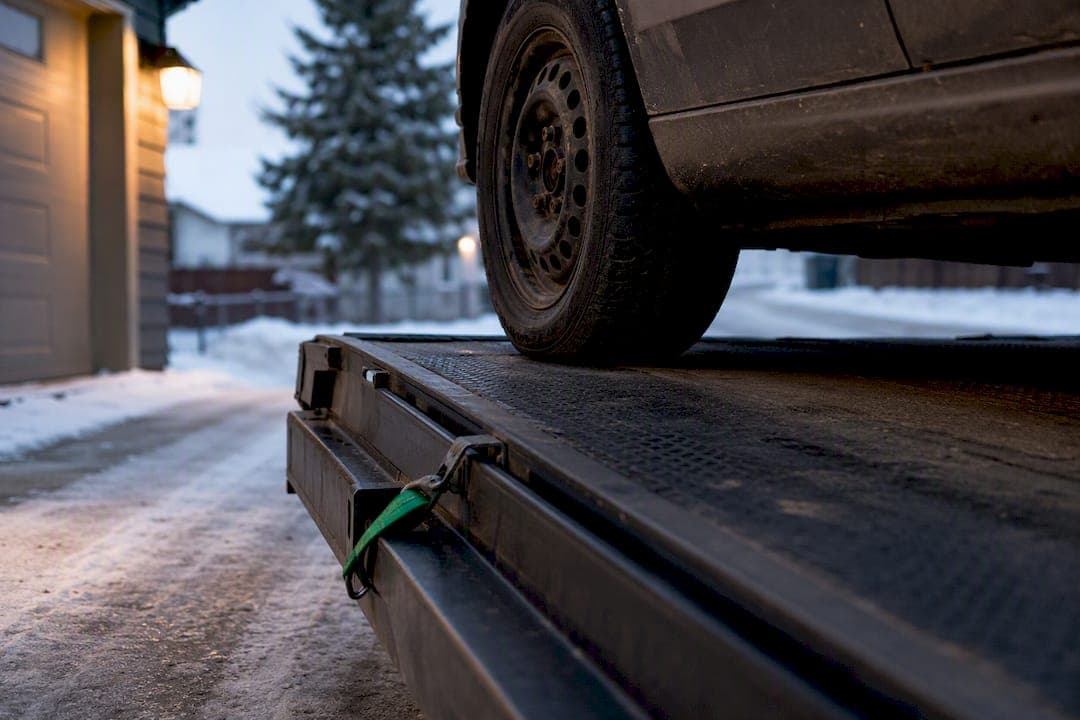
For a junk or non-running car, a flatbed tow is the safest universal choice, since it keeps all four wheels off the pavement regardless of drivetrain. Cheaper wheel-lift or tow-dolly setups only work when the car rolls freely and the drivetrain allows it. Many junk-car buyers, including Southsidecashforjunkcars, fold free towing into their cash offer, which often beats paying for a tow yourself.
TL;DR:
- Flatbed towing is the safest and most versatile method, suitable for any drivetrain, including electric and seized-wheel vehicles, and often included in free junk car offers.
- Wheel-lift and tow dolly methods are only safe for short distances and compatible drive types, with risks of transmission damage if used improperly.
- Proper preparation, including removing personal items and securing loose parts, is critical to prevent damage and delays during pickup.
- Costs for towing typically range from $75 to $200, but most owners save money by selling to a buyer that offers free pickup and includes towing in the purchase price.
- For vehicles with locked brakes, dead batteries, or in inaccessible locations, professional recovery services are necessary to avoid causing further damage.
Table of Contents
- What Are the Main Junk Car Towing Methods?
- How Do You Tow Each Type of Vehicle Safely?
- How Should You Prepare a Non-Running Car for Towing?
- What Does It Typically Cost to Tow a Junk Car?
- When Should You Call a Professional Recovery Service?
- How Southsidecashforjunkcars Handles Pickup and Payment
- What Legal Rules Apply to Junk Car Towing?
- What Goes Wrong During Junk Car Towing?
- What Are Your Options if Towing Is Not Feasible?
- Get a Cash Offer and Free Pickup Scheduled Today
- A Straight Answer on Towing Your Junk Car
- Sources
- FAQ
What Are the Main Junk Car Towing Methods?
Every towing job comes down to three variables: how far the car needs to go, whether it has power and rolls, and what drivetrain it has, according to guidance from Compare the Carrier. Match those three factors correctly and you avoid a transmission repair bill on top of your towing bill.
- Flatbed towing: The entire car rides on a trailer bed with all wheels off the ground. It works for every drivetrain, including AWD, 4WD, and electric vehicles, and it is the only method that is safe for seized wheels or a car with no keys.
- Wheel-lift towing: A hydraulic arm lifts the drive wheels off the ground while the other set rolls. It is acceptable for two-wheel-drive cars on short local runs but risky for AWD or 4WD vehicles.
- Tow dolly: Similar idea to wheel-lift, but the car's front wheels sit on a small two-wheeled trailer while the rear wheels roll. It suits front-wheel-drive cars going short distances, not long highway hauls.
- Hook-and-chain: A chain wraps around the axle or frame and drags the car with two wheels down. It is a salvage-yard method, not a preservation one.
- Winch and recovery: Used when a car cannot move under its own power at all, whether from a dead battery, seized brakes, or a rollover. A winch cable pulls the car onto a flatbed or skates.
DIY short moves, like pushing a car a few feet into a driveway or using furniture dollies under each tire for a garage shuffle, only work for distances measured in feet, not miles.
How Do You Tow Each Type of Vehicle Safely?
The method matters less than how it is executed. A flatbed can still damage a car if the operator hooks the winch cable to the wrong spot, and a wheel-lift can strip a transmission if it is used on the wrong drivetrain.
- Flatbed towing. The operator lowers the deck, winches the car up using a cable connected to factory tow points, then secures it with straps or chains at all four corners. This is why flatbed handles AWD, 4WD, EVs, and cars with locked wheels without argument. There is nothing spinning, nothing dragging, and nothing that can twist a drivetrain during transit.
- Wheel-lift towing. Acceptable only when the car rolls freely and the drivetrain is two-wheel-drive. Ask the operator directly whether your car qualifies. Some operators default to wheel-lift as a shortcut even when it is not appropriate, so insist on flatbed for AWD, 4WD, or any electric vehicle.
- Tow dolly. The compatible wheels sit on the dolly while the others roll on pavement. Fine for a five-mile trip to a scrapyard. A bad idea for anything over a couple dozen miles, since the rolling wheels and drivetrain components take on friction and heat they were not built for over distance.
- Hook-and-chain. This method is appropriate mainly for salvage or junk removal where cosmetic and mechanical damage from dragging do not matter. Chains can crack bumpers, bend frame rails, and scrape undercarriage components. If your car still has resale or trade-in value, this is the wrong method.
- Winch and recovery. For a car with no keys, locked steering, or seized brakes, the crew typically slides skates under the wheels or winches it straight onto a flatbed deck to avoid dragging tires or straining the transmission. This is slower and sometimes costs more, but it is the only safe option for a truly immobile vehicle.
Pro Tip: Before a tow truck arrives, ask which method the driver plans to use and why. A reputable operator will explain the choice in terms of your car's condition, not just convenience. If someone offers hook-and-chain for a car that still runs and rolls, that is your cue to call someone else.
For readers dealing with an Alberta pickup specifically, this guide to arranging a tow walks through the regional logistics in more detail.
How Should You Prepare a Non-Running Car for Towing?
A few minutes of prep prevents most of the damage and delay that happen during pickup; for detailed safe cleaning and preparation, follow our clean engine bay: safe steps and ceramic protection guide. Skipping it is the number one reason tows take longer than expected or end with a scratched bumper.
- Remove license plates and personal belongings, and make sure a key is accessible even if the car does not start, in case the operator needs to shift it out of park.
- Tape or strap down loose panels, mirrors, or trim pieces that could fall off during loading or transit.
- Clear broken glass or sharp debris from the interior and trunk before the crew arrives.
- Never let anyone attach a winch cable or hook to plastic bumper covers or trim. Professionals attach to factory tow points or solid subframe members instead, since plastic tears under load and can release the vehicle mid-pull.
- Clear the approach path to the car, note any slope, and set wheel chocks if the vehicle sits on an incline.
Loading a car onto a flatbed typically means winching it up straight and connecting to those factory tow points before pulling it flush against the deck. A crooked pull is how bumpers get cracked and rocker panels get dented.
What Does It Typically Cost to Tow a Junk Car?
A typical local tow for a non-running or junk vehicle runs roughly $75 to $200, and several factors push that number up or down.
- Hookup or base fee: A flat charge just for the truck showing up, usually rolled into the total.
- Per-mile rate: Charged beyond a base distance, so a longer haul costs more even at the same hourly rate.
- Flatbed surcharge: Flatbeds cost more to dispatch than wheel-lift trucks, though they are worth it for AWD, EVs, or locked wheels.
- Winch-out fee: Added when the car is stuck, seized, or needs to be pulled from a ditch or garage.
- After-hours charges: Nighttime or weekend calls often carry a premium.
Here is the part most people miss: if you are scrapping the car anyway, selling to a buyer who includes free pickup is usually the cheapest net outcome, since the buyer commonly absorbs the tow cost instead of billing you for it. The one exception is an accident claim, where an insurer or at-fault driver's policy covers the tow instead of the vehicle owner.
When Should You Call a Professional Recovery Service?
Some situations are too risky for a standard tow order or a DIY approach, and calling a specialized recovery service is worth the extra cost.
- The car is AWD, 4WD, or electric, since dragging any wheel risks drivetrain damage that turns a cheap tow into an expensive repair.
- Brakes are seized, the steering column is locked, or wheels are missing entirely.
- The car rolled, went off-road, or sits somewhere a standard tow truck cannot reach.
- It is coming out of an impound lot or moving a long distance, both of which usually need extra paperwork or a dedicated recovery rig.
Watch for red flags, too. If an operator insists on hook-and-chain for a car that still runs and rolls fine, or refuses a flatbed when your drivetrain clearly requires one, get a second opinion before you sign anything.
How Southsidecashforjunkcars Handles Pickup and Payment
Some junk car buyers run a three-step process: contact, pickup, cash payment. Same-day pickup and instant payment may be built into how the service works, regardless of vehicle condition. Before pickup, ask for an on-site estimate and confirm upfront whether towing is free and whether any fees get deducted from your payout. A straightforward removal process should never include surprise charges at the curb.
What Legal Rules Apply to Junk Car Towing?
Municipal bylaws in most Canadian cities restrict how long an inoperable vehicle can sit on a public street or even in a driveway visible from the street, and towing companies operating locally need proper licensing and insurance to legally hook up and move a vehicle. If your junk car has been parked on the street for weeks because it will not start, check your city's parking bylaw before it gets ticketed or towed by the city itself, which usually costs more than arranging your own pickup.
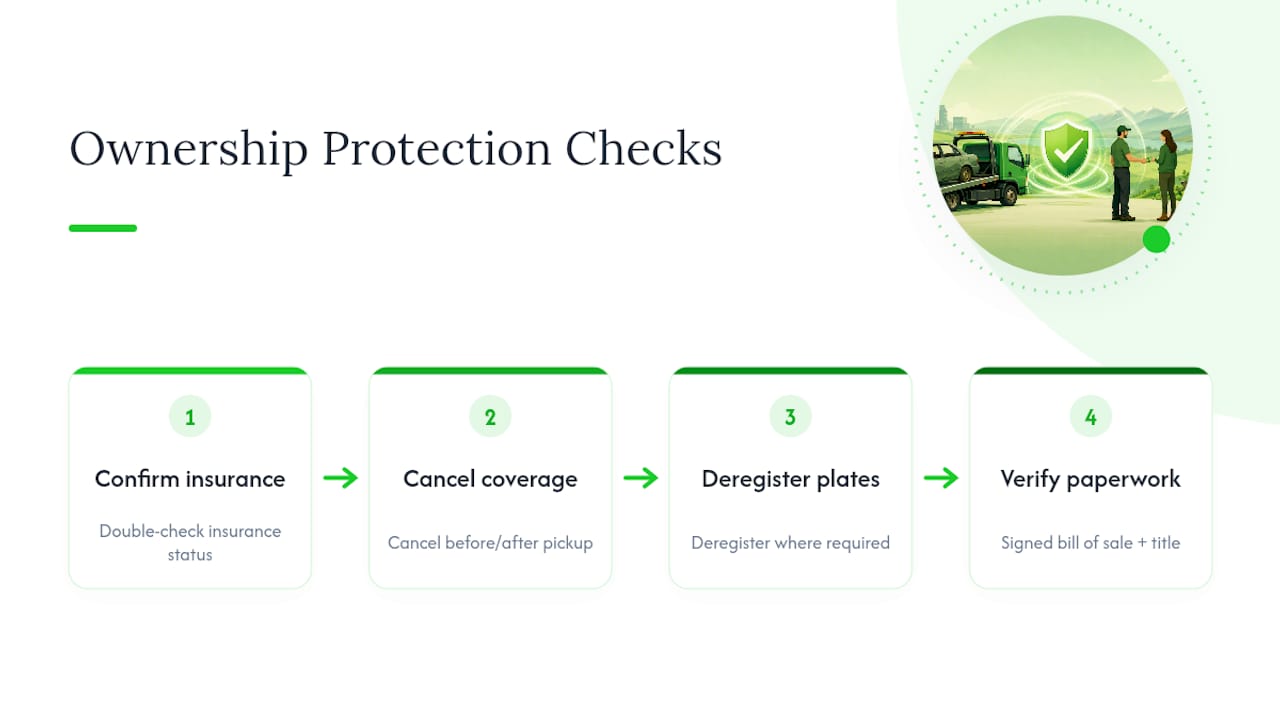
Ownership documentation matters just as much as the tow itself. Alberta requires a signed bill of sale and the vehicle's registration or title to transfer ownership legally, and any buyer or towing company should ask for this before removing the car. Skipping that step can leave you liable for parking tickets, tolls, or even a future accident if the car changes hands informally without paperwork.
Insurance status is also worth double checking. If your junk car is still insured, canceling coverage before or right after pickup avoids paying for a policy on a car you no longer own. Some provinces also require deregistering plates separately from canceling insurance, so confirm both steps rather than assuming one covers the other.
If a tow operator or buyer asks you to sign anything you have not read carefully, slow down. A rushed signature on a release form is how people accidentally waive rights to a deposit or agree to unexpected fees.
What Goes Wrong During Junk Car Towing?
The most common problem is a mismatch between the car's condition and the method the operator shows up with. A driver arrives with a wheel-lift truck, discovers the car is AWD, and either has to reschedule with a flatbed or, worse, tows it anyway and risks the transmission. Confirm your car's drivetrain and condition when you book, not when the truck is already in your driveway.
Locked brakes and dead batteries cause a different headache. If the parking brake is stuck or the battery is too dead to shift out of park, the crew needs skates or a winch setup to load the car without dragging a wheel. This takes longer and sometimes carries a small additional fee, so mention it upfront rather than let the driver discover it on arrival.
Tight driveways and steep inclines trip up otherwise straightforward jobs. A flatbed needs a certain approach angle to lower its ramp, and a car parked nose-first against a wall or on a steep slope can force the operator to reposition or use a winch to pull the car into a loadable position. Moving the car a few feet with help from a friend beforehand, if it is safe to do so, often solves this before the truck even arrives.
Finally, damage disputes happen when nobody documents the car's condition beforehand. Take a few photos of the body panels, wheels, and interior right before pickup. It takes thirty seconds and settles any argument about a scratch that may or may not have been there already.
What Are Your Options if Towing Is Not Feasible?
Sometimes a full tow is not practical, whether because of tight access, cost, or a car that is only a few feet from where it needs to be. A few alternatives cover most of those situations.
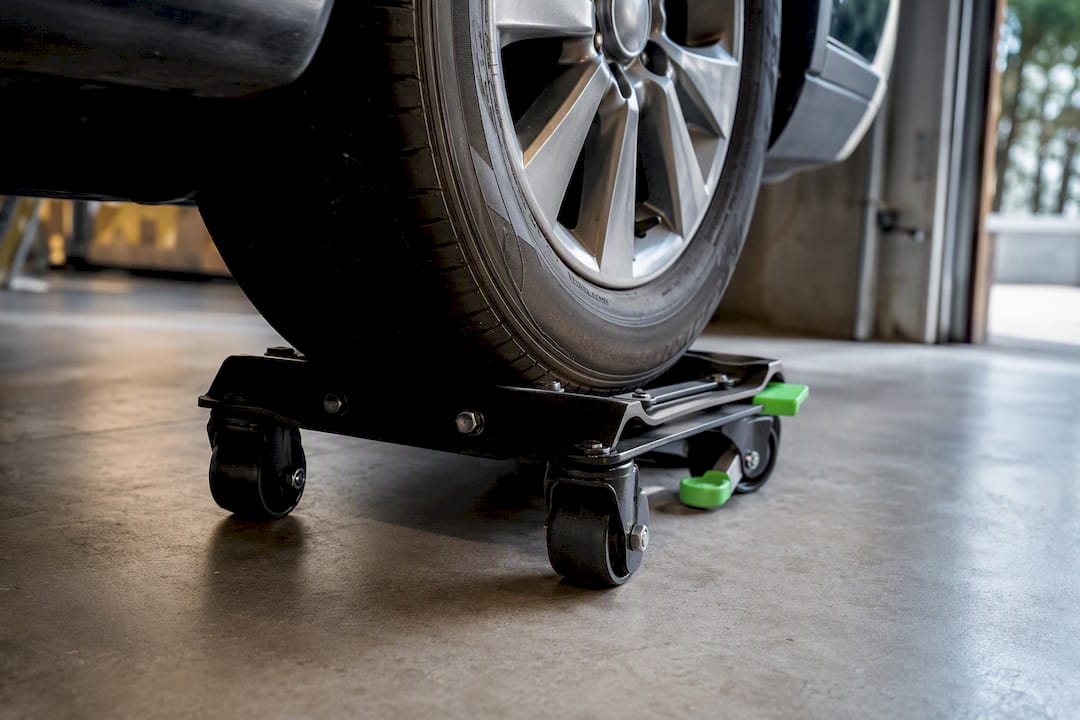
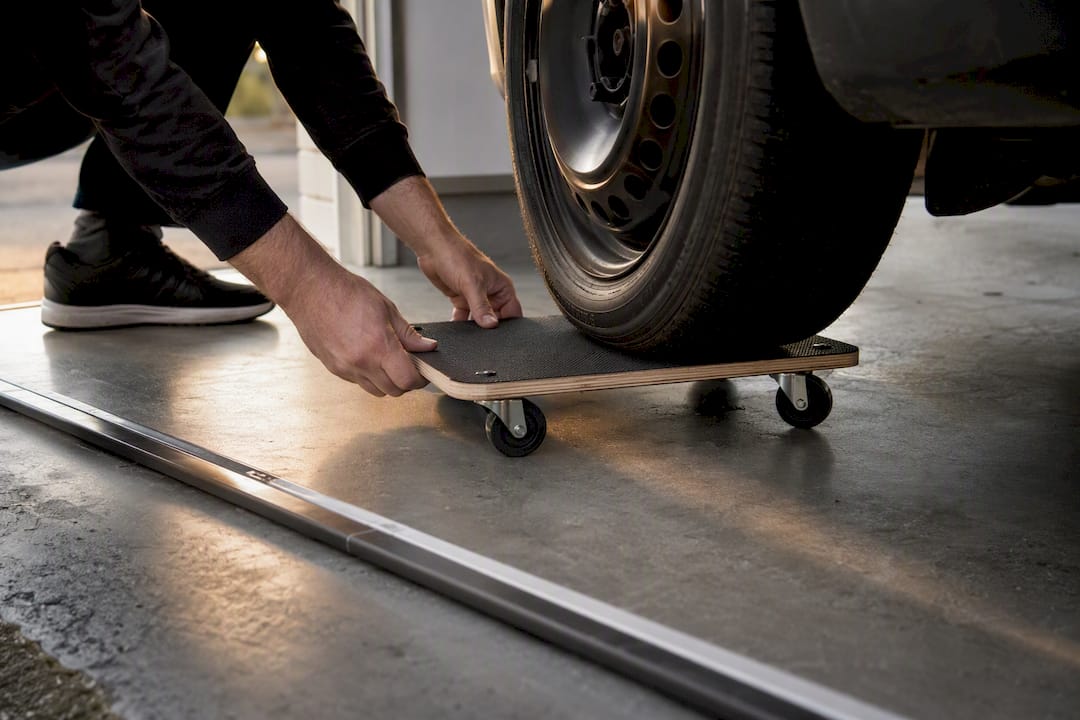
If the car rolls and steers even without power, sometimes a short push by hand into a more accessible spot solves the access problem entirely, letting a standard tow truck reach it without a specialized rig. For very short distances, like repositioning within a driveway or garage, furniture dollies placed under each wheel let two or three people roll a car a short stretch without any towing equipment at all.
Local scrap metal recyclers occasionally offer their own pickup for vehicles being sold purely for scrap value, which functions similarly to a junk car buyer's free towing but usually pays less since it skips any assessment of usable parts. Donation programs are another route, though most require the car to be at least moveable enough for their own contracted tow provider, and they typically issue a tax receipt rather than cash.
For most owners, though, the simplest fix for "towing feels complicated" is skipping the logistics altogether and selling to a buyer whose offer already includes free pickup, which removes the need to solve the towing problem yourself in the first place.
Get a Cash Offer and Free Pickup Scheduled Today
You have just read through five towing methods, their costs, and their risks, and here is the shortcut: skip hiring a tow truck entirely. There are services that provide an alternative to arranging your own tow. Free same-day pickup may be included in the cash offer, regardless of the car's condition.
Have your ID and vehicle title ready, and clear out personal items before the crew arrives so pickup goes quickly. The three-step process starts with a simple contact, moves to a scheduled pickup, and ends with cash in hand. No towing invoice, no per-mile charges, no waiting on a separate buyer and a separate tow company to coordinate schedules. If you want to see what qualifies before reaching out, this overview of scrap car criteria breaks down how offers get calculated. Reach out today to get a pickup scheduled.
A Straight Answer on Towing Your Junk Car
Flatbed towing is the default I would recommend for any non-running car or one with a risky drivetrain, full stop. It costs a little more upfront, but it is the only method that will not turn a $150 tow into a $1,500 transmission repair. Before you pay anyone to tow a car you are getting rid of anyway, get an offer from a buyer who tows for free. It often costs nothing and puts cash in your pocket instead of taking it out.
— Franz
Sources
- Flatbed vs Hook-and-Chain Towing - MG Towing & Recovery
- Cost to Tow a Junk Car (2026) - Flatbed, Distance & Who Pays
- Tow truck driver training - securement
- Junk Car Removal & Free Towing: How Pickup Works | JunkCarValue
FAQ
What Are the Different Types of Towing Methods?
The five main methods are flatbed, wheel-lift, tow dolly, hook-and-chain, and winch or recovery towing. Flatbed works for every drivetrain and condition, while the others fit narrower situations based on distance and whether the car rolls.
What Is the 80% Rule for Towing?
It applies to towing trailers behind a working vehicle, not to having your own junk car towed away.
What Is the Best Way to Get Rid of a Junk Car?
For most owners, selling to a buyer that includes free towing in its cash offer is the simplest and cheapest route, since it eliminates the tow bill entirely. Some junk car buyers structure their process this way, with pickup and payment handled in one visit.
What Is the Cheapest Way to Tow a Car?
The cheapest option is avoiding a paid tow altogether by selling to a junk car buyer who absorbs the towing cost as part of the offer. If you must hire a tow company directly, a short local move with a compatible drivetrain and no winch-out typically lands at the lower end of the $75 to $200 range.