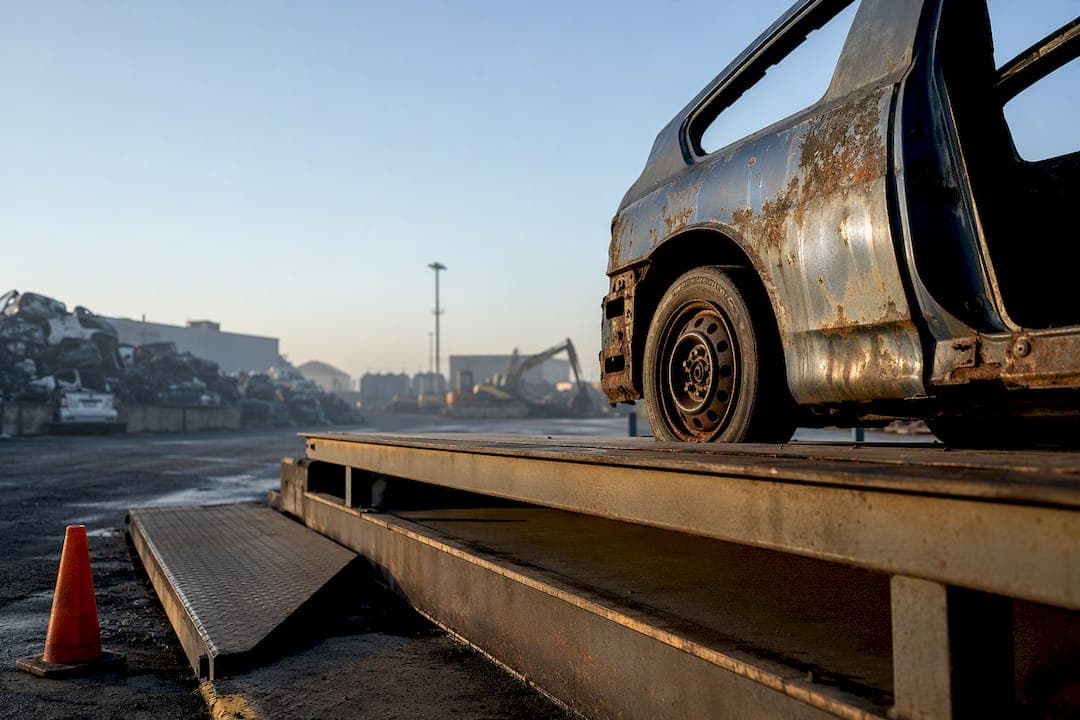
Most complete junk vehicles in Canada sell for a moderate amount, with heavier trucks and cars carrying an intact catalytic converter often fetching higher prices. Weight, metal content, and converter value drive the number more than the car's brand or age. Your best approach is to collect two or three written local quotes and check a current scrap rate before accepting any offer.
TL;DR:
- The value of your junk vehicle depends mainly on weight, metal content, and whether the catalytic converter remains intact.
- Prices vary significantly by province, with Ontario and Alberta paying more due to higher buyer competition and industrial demand.
- Catalytic converters can be worth more than the steel of the car itself, making accurate inspection and pricing crucial.
- Getting multiple local quotes and asking specific questions about converter and towing costs can boost your final payout.
- Regional environmental rules and proper documentation influence the sale process and final offer, especially for hybrid and electric vehicles.
Table of Contents
- Junk Car Prices Across Canada by Vehicle Type and Province
- How Buyers Calculate What Your Junk Car Is Worth
- How to Get the Best Offer for Your Junk Car
- Real Payout Examples From Toronto, Calgary, and Beyond
- How a Local Calgary Buyer Handles the Process
- Environmental Rules That Shape Junk Car Disposal
- Verifying a Licensed Scrap Yard or Buyer
- Why Metal Prices Change What Your Car Is Worth
- Sell Now, Wait, or Fix It? A Quick Read on the Decision
- Ready to Turn Your Junk Car Into Cash Today?
- Sources
- FAQ
Junk Car Prices Across Canada by Vehicle Type and Province
The national spread is wide because a junk car's price is really a proxy for two things: how much steel is on the frame and whether it still has parts worth pulling before the crusher gets it. A rusted compact with a missing catalytic converter and a three-quarter-ton pickup with a clean drivetrain are not competing in the same price bracket even if both are technically "junk."
Compact cars and small sedans typically land at the low end due to less steel weight. Mid-size sedans and older minivans tend to fetch somewhat higher payouts. SUVs, full-size trucks, and diesel vehicles generally command higher prices because of their increased weight and larger catalytic converters. Hybrids and EVs are a wildcard: their battery packs can be worth recycling separately, which sometimes bumps the offer, but a damaged high-voltage battery can also scare off buyers who aren't equipped to handle it safely.
Geography matters almost as much as vehicle type. Payout data compiled by Greenway Auto Recycling shows Ontario and Alberta consistently paying more than the national norm, largely because both provinces have dense clusters of buyers competing for the same vehicles and strong industrial demand for recycled steel. Atlantic provinces, by contrast, tend to sit lower on the scale. Fewer buyers means less competition, and longer distances to processing facilities eat into what a yard can afford to offer.
A few things move these numbers around from week to week and season to season:
- Scrap steel and metal rates fluctuate, so a quote you get in March could be different by June.
- Winter often brings a short-term dip in pickup volume in colder provinces, which can soften competition among buyers.
- A missing or gutted catalytic converter can knock hundreds off an otherwise strong offer, according to pricing breakdowns from Scrap Metal Pricer Canada.
- Vehicles with rare aluminum wheels or intact wiring harnesses sometimes earn a quiet bump that a phone quote alone won't reveal.
If you're in Alberta specifically, local Calgary-area pricing patterns show sellers netting anywhere from $200 to $1,500 depending on the same factors above, weight and converter status leading the list.
How Buyers Calculate What Your Junk Car Is Worth
Every offer typically consists of the base price for the vehicle weight plus the separate value of any valuable parts that can be salvaged before scrapping.
Most yards buy the body of the car at a rate tied to steel weight, priced per ton or sometimes per pound. That's the baseline number, and it's fairly predictable once you know the vehicle's approximate curb weight. On top of that baseline, catalytic converters, batteries, and aluminum wheels get priced separately because their metal content, platinum, palladium, rhodium, lead, and aluminum, trades at rates completely different from plain steel. Scrap Metal Pricer Canada explains that this split pricing is standard practice across the industry, not a gimmick some buyers use to sound generous.
Catalytic converters are the single biggest wildcard in a junk car quote. Depending on the make and the converter's precious metal loading, that one part can sometimes be worth more than the rest of the car's steel combined. If a buyer doesn't ask about your converter or offers a flat price without inspecting it, you're probably leaving money on the table.
Beyond the parts breakdown, a handful of other factors shift the final number:
- Condition and completeness. A car missing its engine, transmission, or wheels gets less than one that rolled in whole, even if both weigh roughly the same on paper.
- Title and paperwork. Clean ownership documents speed up the transaction; a missing title can delay payment or reduce what a buyer is willing to risk.
- Distance and access. A vehicle stuck in a ditch or a tight garage costs more to retrieve, and that tow expense often gets subtracted from your quote.
- Buyer type. Weight-only scrap yards tend to quote lower than parts-focused recyclers or dedicated cash-for-cars services, since the latter can resell working components before scrapping the rest, a pattern Retire Your Ride's bidding model is built around.
Understanding this split matters because it tells you exactly what to ask about on the phone: not "what's my car worth," but "how are you pricing the converter, and is that separate from the steel weight?"
How to Get the Best Offer for Your Junk Car
Getting a fair number isn't about luck. It's about showing up prepared and asking the questions that separate a real offer from a guess.
- Gather your vehicle details first. Year, make, model, VIN, mileage, and a rough description of what's missing or damaged. Buyers quote faster and more accurately with this in hand.
- Take photos, including the undercarriage. A shot of the catalytic converter still bolted in place can be the difference between a low guess and an accurate number.
- Note your location and access. Is the car in a driveway, a lot, or somewhere a tow truck will struggle to reach? Say so upfront.
- Call two or three buyers, not just one. Comparing multiple local bids inside the same city can swing your final payout by 15 to 20 percent, which is real money for a few extra phone calls.
- Ask direct questions on the call. Is towing free? Is the converter priced separately? What documentation do you need at pickup? When can you actually get here?
- Compare net offers, not headline numbers. A $600 quote with a $75 tow fee nets less than a $550 quote with free pickup. Do the subtraction before you decide.
- Get the final number in writing or confirmed verbally at pickup, before the truck leaves with your car.
Pro Tip: Ask every buyer the same exact question about the catalytic converter. If one quote is noticeably higher, it's almost always because they're valuing that part properly and a competitor isn't.
Watch for a few red flags along the way: a buyer who won't confirm free towing in advance, vague answers about payment method, or pressure to accept on the spot without a real inspection. Legitimate buyers don't need to rush you. If you're also weighing trade-in value against scrapping, FrenzyCars' guide to trade-in valuation walks through what information a dealer needs to price a vehicle accurately, useful context if your car might still have resale life left in it.
Real Payout Examples From Toronto, Calgary, and Beyond
Numbers on a page are useful, but seeing how they play out in actual cities makes the pricing logic click.
In Toronto, sellers report a wide spread depending on vehicle type and buyer competition. Local Toronto-area reporting shows payouts often landing on the higher end of national averages, a direct result of the sheer number of buyers competing for cars in a dense urban market. More buyers means more bids, and more bids mean better prices.
Calgary and the surrounding Alberta market show a similar pattern of strength, tied to steady industrial demand for scrap steel and a competitive local buyer landscape. Recent Calgary pricing snapshots reflect seasonal shifts too. Summer months sometimes bring slightly stronger offers as pickup logistics get easier and yards move inventory faster.
Vancouver and Montreal both sit closer to national norms, with enough buyer density to keep competition healthy but without the extreme highs sometimes seen in Ontario and Alberta. Winnipeg and Halifax tend to trail, consistent with the broader pattern of lower payouts in provinces with fewer processing facilities and longer average tow distances.
Three quick scenarios show how this plays out for actual sellers:
- A non-running compact sedan with a rusted frame and no working parts nets mostly steel-weight value, often in the $150 to $350 range, with the tow cost being the main variable that eats into the final number.
- A pickup truck with an intact catalytic converter can see the converter value alone push the total well past $1,000, especially if the buyer separates that price out clearly instead of folding it into a flat quote.
- A minivan with working parts still attached, alternator, starter, working wheels, tends to outperform a stripped vehicle of the same weight, because a parts-focused buyer can resell those components before the rest goes to the shredder.
The pattern across every city is the same: buyer density and industrial demand set the ceiling, but your car's specific condition decides where inside that range you actually land.
How a Local Calgary Buyer Handles the Process
If you're weighing your options in Calgary or Okotoks, it helps to know what a straightforward local process actually looks like in practice.
A local junk car removal service often uses a three-step model built around speed and clarity: you contact them with your vehicle's details, they arrange same-day pickup where scheduling allows, and payment happens in cash on the spot when the vehicle is picked up. No back-and-forth negotiation once the offer is confirmed.
A few things worth knowing before you call:
- Same-day pickup is a stated goal, not a guarantee for every address or time slot, so ask about your specific timing when you reach out.
- The company's stated approach avoids hidden fees, meaning the number quoted should match what you're paid, not a discounted figure after towing costs.
- Local, Alberta-based experience means pricing reflects current regional scrap and parts values rather than a generic national estimate.
For readers who want a deeper look at how scrap value gets calculated specifically in this market, the Calgary scrap value guide breaks down local rate mechanics in more detail.
Environmental Rules That Shape Junk Car Disposal
Canada doesn't have one single national law governing junk car disposal. Each province regulates end-of-life vehicle handling through its own environmental and waste-management framework, and those rules affect how buyers operate and, indirectly, what they can pay.
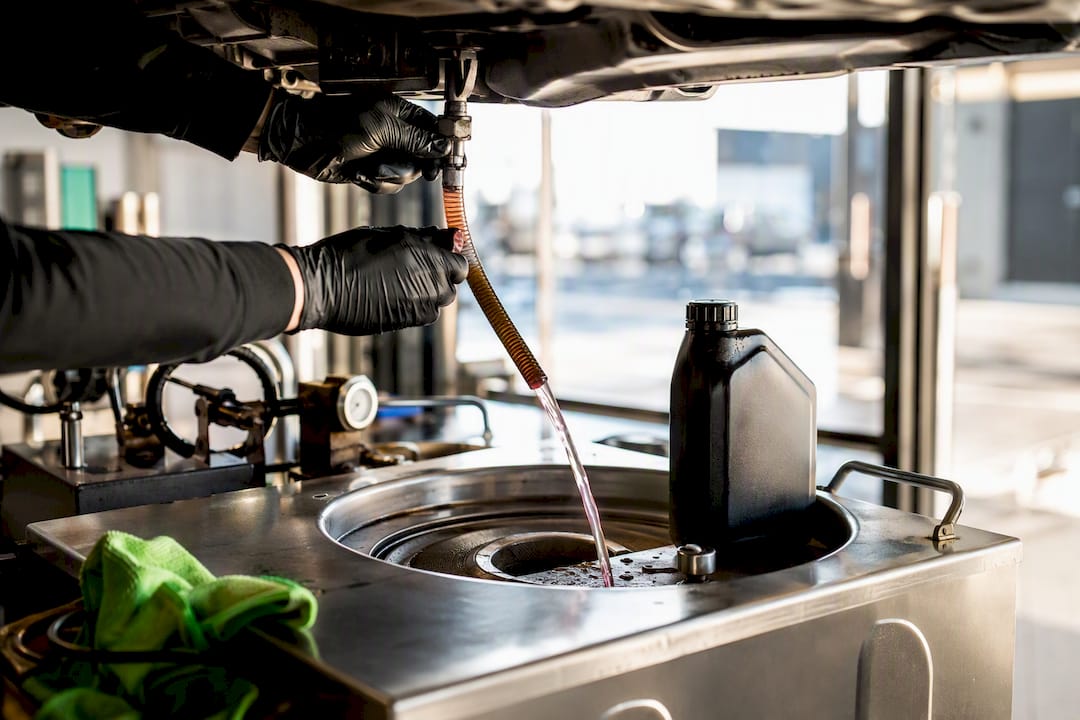
Fluids, oil, coolant, brake fluid, and refrigerant, must be properly drained and disposed of before a vehicle is shredded, and licensed facilities carry the cost of that environmental handling into their pricing models. This is part of why a fly-by-night operator offering a suspiciously high cash number should raise a flag: proper fluid removal and hazardous-material handling cost money, and a legitimate buyer's price reflects that cost.
Battery handling gets extra scrutiny, especially for hybrid and EV vehicles, since lead-acid and high-voltage battery packs require specific recycling channels rather than standard scrap processing. Natural Resources Canada's overview of recycling points to metals recycling as a core part of Canada's resource strategy, which is part of why recycled steel and aluminum retain real market value instead of being treated as waste.
Provinces also vary in how they handle vehicle deregistration and title transfer once a car is scrapped, so check your province's motor vehicle registry rules before pickup day to make sure your paperwork matches what your buyer needs.
Verifying a Licensed Scrap Yard or Buyer
A legitimate buyer should have no problem answering direct questions about how they operate. Hesitation or vague answers are the clearest warning sign you'll get before the tow truck shows up.
Licensed auto recyclers in Canada are generally listed through industry directories, and checking Autorecyclers is a quick way to confirm a business actually exists as a registered recycler rather than an unlicensed operator working out of a truck. Ask any buyer for their business name, physical address, and how long they've operated in your area. A real yard or removal service will answer immediately.
Payment method matters too. Cash paid on delivery, confirmed in person at pickup, is the industry standard for junk car transactions. Be cautious of any buyer who wants to pay by e-transfer days later, asks for a deposit from you, or won't put the final number in writing or confirm it clearly before the tow arrives.
Insurance is another quiet checkpoint. A properly licensed towing and removal operation carries insurance covering damage to your property during pickup. It's a fair question to ask before you agree to a time.
If a quote seems dramatically higher than everything else you've heard, that's not always good news. Sometimes it signals a buyer padding a number they'll quietly reduce once the truck arrives and "discovers" an issue with the car. A consistent, explainable number across two or three buyers is a better sign than one outlier.
Why Metal Prices Change What Your Car Is Worth
Junk car offers aren't fixed. They move with global steel, aluminum, and precious metal markets, which is why the same car might fetch a different price this month than it did last spring.
Steel is the base commodity behind every hulk price, and mill demand for recycled steel shifts with construction activity, manufacturing output, and export demand. When steel prices climb, junk car offers tend to climb with them, since buyers can afford to pay more for the same weight of scrap. Market data on 2026 component pricing shows this kind of fluctuation directly shaping the CAD 200 to $1,000+ range most sellers see.
Catalytic converters add another layer of volatility on top of steel. Platinum, palladium, and rhodium prices swing based on global mining supply and automotive industry demand, sometimes sharply within a single year. A converter that was worth a modest amount eighteen months ago might be worth considerably more or less today, purely based on commodity swings that have nothing to do with your car's condition.
This is exactly why checking a current rate before accepting an offer matters more than relying on a number you heard from a friend last year. A quote that felt generous six months ago might be underpaying you today, or the reverse.
Sell Now, Wait, or Fix It? A Quick Read on the Decision
Scrapping makes sense once repair costs exceed the car's remaining value, plain and simple. If you're on the fence, our repair-or-scrap breakdown covers the signs worth weighing.
Obtaining multiple local quotes generally results in better payouts, as buyer competition significantly affects the price offered. And once you've decided to sell, working with a specialist who knows local scrap and parts values beats guessing with a generic national estimate. Speed and certainty count for something too.
— Franz
Ready to Turn Your Junk Car Into Cash Today?
Some local services offer an alternative to hauling your car to a generic yard, providing a straightforward cash offer, same-day pickup, and no hidden fees subtracted after the fact.
If you've read this far, you already know what drives a strong offer, condition, weight, and whether your catalytic converter is still intact. Southsidecashforjunkcars applies that same logic locally, valuing steel weight and high-value parts separately instead of folding everything into one vague number. The three-step process is simple: you contact them with your vehicle's details, they arrange pickup, and you get paid in cash on the spot. Have your VIN, year, make, model, and a note on the converter's condition ready when you call, it speeds up the quote and gets you a more accurate number the first time. Whether your vehicle runs, has a blown engine, or failed its last inspection, request a quote through the junk car buyer page or check the main service page for current details on pickup and payment.
Sources
- Average Payout for Scrap Cars in Canadian Provinces | Greenway Auto Recycling
- Scrap Car Prices in Canada Today | Scrap Metal Pricer Canada
FAQ
How much is a scrap car worth in Canada?
Most complete junk vehicles sell for moderate amounts, and heavier trucks or vehicles with intact catalytic converters can sometimes fetch substantially higher prices.
What's the most a junkyard will pay for a car?
There's no fixed ceiling. A truck or SUV with a valuable catalytic converter and clean documentation can push well past $1,500, especially in higher-demand provinces like Ontario and Alberta.
What is the minimum scrap value of a car?
The floor is typically steel weight alone, which can land as low as $150 to $200 for small, stripped compact cars with no salvageable parts attached.
How do you calculate the scrap value of a car?
Start with the vehicle's weight priced at the current steel rate, then add separate values for the catalytic converter, battery, and any aluminum components, and subtract towing costs if the buyer charges for pickup.
Does Southsidecashforjunkcars charge for towing?
Southsidecashforjunkcars's stated approach includes no hidden fees, with same-day pickup arranged as part of the cash offer for Calgary and Okotoks sellers; confirm current details when you call for your quote.