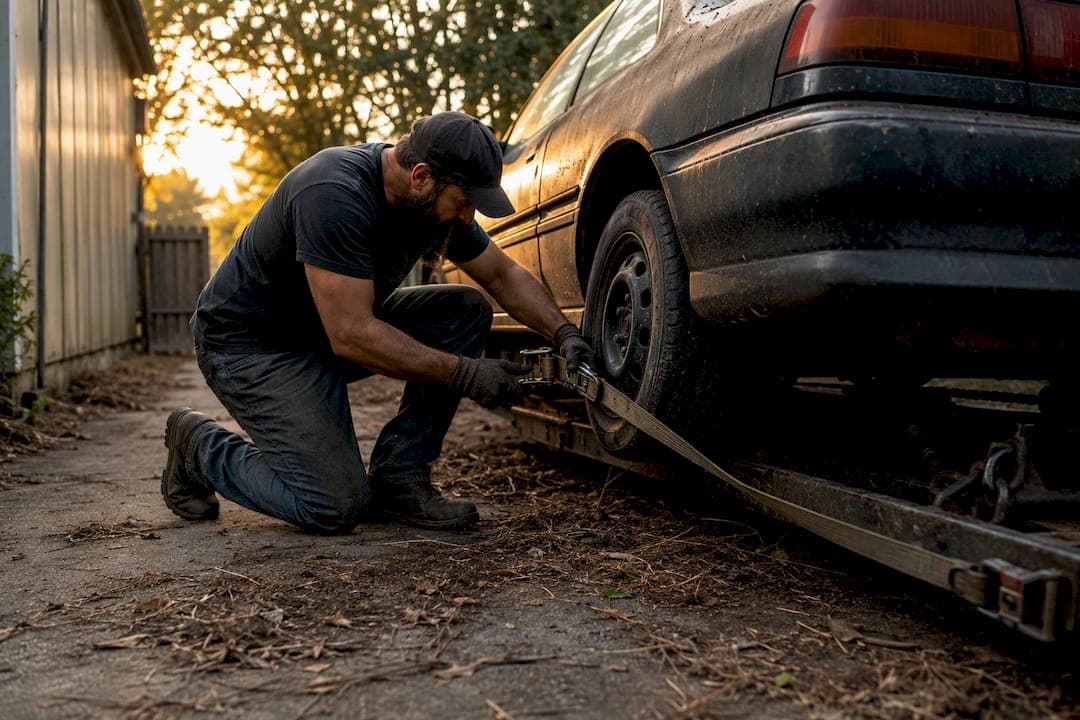
Most common junk car beliefs are false. Even a nonrunning vehicle usually holds real scrap and parts value, and it can typically be sold in a day or two with a written quote and free towing. Recycling guidance from Environment and Climate Change Canada, standard state DMV title rules, and local buyers like Southside Cash For Junk Cars all point the same direction: junking a car is far less complicated than the internet makes it sound.
Three things are almost always true, no matter what shape your car is in:
- Scrap metal and salvageable parts give even dead cars cash value.
- Towing is commonly included at no charge by buyers who profit from the vehicle itself.
- Title requirements vary by state, and most have a workaround if yours is missing.
Key Takeaways
Junk car myths persist mostly because sellers never see how offers are actually calculated or what a written quote protects against.
| Point | Details |
|---|---|
| Value exists regardless of condition | Scrap metal, resale parts, and the catalytic converter give nonrunning cars real cash value. |
| Get quotes in writing | A written quote by email or text prevents bait-and-switch pricing at pickup. |
| Free towing is common | Many buyers cover towing because their revenue comes from parts and scrap, not tow fees. |
| Keep the title until paid | Never hand over the title before cash or instant payment is in hand. |
| Southside Cash For Junk Cars | Offers same-day free towing and payment at pickup through a simple three-step process in Calgary and Okotoks. |
Table of Contents
- Common Junk Car Myths and the Truth Behind Them
- How Junk Car Buyers Actually Calculate Offers
- What You Need Before Pickup: Documents and a Quick Checklist
- How to Get the Best Price and Avoid Common Scams
- Why Free Towing and Fast Pickup Are Standard Practice
- Why We Push for Written Quotes Every Time
- Ready to Sell? Here's the Straightforward Path
- Sources
- FAQ
Common Junk Car Myths and the Truth Behind Them
1. Junk cars are worthless
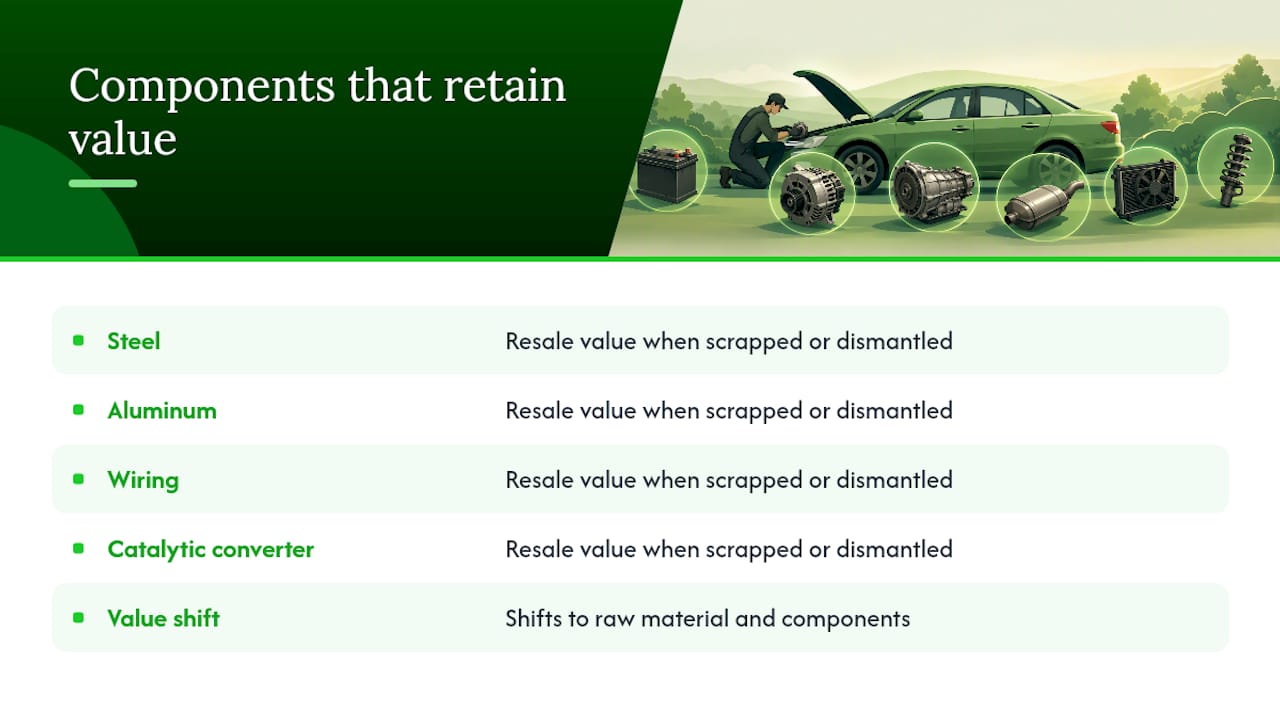
This one costs sellers real money. A car that won't start still has steel, aluminum, wiring, and a catalytic converter, all of which have resale value the moment it's scrapped or dismantled for parts. Automoli's breakdown of junk car misconceptions makes the point plainly: a vehicle's value doesn't disappear when the engine dies, it just shifts from "transportation" to "raw material and components."
2. Towing will eat up whatever you get paid
Plenty of sellers assume they'll pay $100 or more just to get the car off their property, then watch that cost eat into their payout. In practice, many reputable buyers build free towing into their business model because their profit comes from the scrap and parts, not from nickel-and-diming the tow.
3. The car has to run to sell it
Running condition helps, but it's not a requirement. Blown engines, seized transmissions, and cars that haven't started in years all get purchased regularly. Drivability mainly affects how the tow is handled, not whether a sale happens at all.
4. Missing parts mean no one will buy it
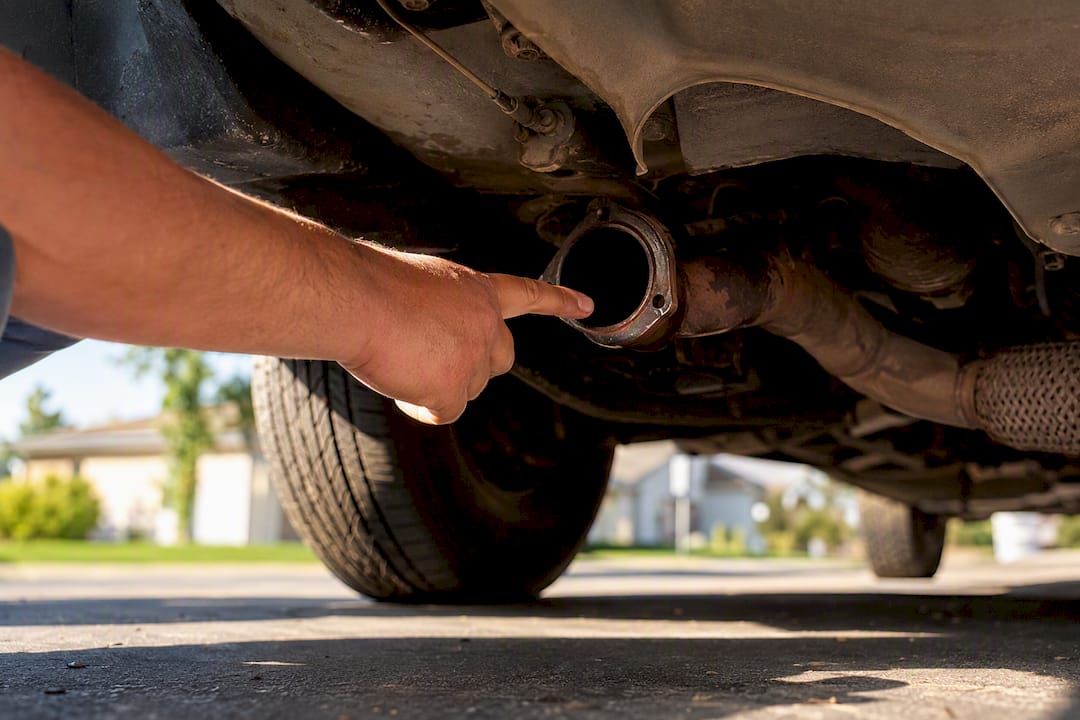
A missing catalytic converter, a dead battery, or stripped wheels will lower an offer, but they rarely kill a deal outright. The key is disclosing what's missing before pickup. Undisclosed gaps are one of the most common reasons buyers try to cut the price on-site, so telling the truth upfront protects your final number more than it hurts it.
5. Scrapping a car is bad for the environment
The opposite is usually closer to the truth. Certified dismantlers drain hazardous fluids safely, pull reusable parts, and recycle the metal, which cuts down on new mining and manufacturing demand. Letting a dead car rot in a driveway does more environmental harm than sending it to be processed properly.
6. The paperwork is a nightmare
It's a checklist, not a maze. Most sales need a signed title and a matching photo ID, and that's about it. States without strict title requirements often accept registration or a bill of sale instead.
7. You always need the original title
Not always. If it's lost, most state DMVs issue duplicates, and some buyers accept alternative documentation, though usually at a slightly reduced offer to cover the added paperwork risk.
Pro Tip: Get your quote in writing, by email or text, before any tow truck shows up. It should list the vehicle details, the agreed price, and confirm towing is included. That one document stops almost every bait-and-switch tactic before it starts.
How Junk Car Buyers Actually Calculate Offers
Offers aren't guesswork. They're built from a handful of concrete factors:
- Scrap metal weight — steel and aluminum content, priced against current commodity rates.
- Resale parts value — engines, transmissions, and body panels in demand for your specific make and model.
- Catalytic converter — often the single most valuable component on an otherwise dead car.
- Drivability — a car that can be driven onto the truck saves the buyer tow expense, which can modestly bump the offer.
- Missing parts or damage — subtracted from the baseline, which is why disclosure matters so much.
A typical scrap-value baseline runs $150 to $500 depending on the vehicle's weight, before factoring in parts. That range is why two buyers can quote wildly different numbers for the same car. Someone crediting resale-parts value or a working catalytic converter will land well above someone quoting scrap weight alone.
What You Need Before Pickup: Documents and a Quick Checklist
Have these ready and pickup day moves fast:
- Signed title, if you have one, matching the name on your ID.
- Photo ID that matches the name on the title or registration.
- Bill of sale or DMV form, in states that allow title alternatives.
- Lien-holder clearance, if the car isn't fully paid off yet.
Before the tow truck arrives, pull your license plates, grab any valuables or aftermarket parts you want to keep, and plan to cancel your insurance and registration once the sale closes.
Pro Tip: No title? Call your state DMV about a duplicate before assuming you're stuck. Some buyers will still take the car with just registration and ID, but expect that to shave something off the offer since it adds risk on their end.
How to Get the Best Price and Avoid Common Scams
Follow this sequence and you'll come out ahead almost every time:
- Collect at least three offers so you know where the real market sits for your vehicle.
- Get each quote in writing with towing terms spelled out explicitly.
- Compare offers on a tow-included basis, not just the headline number.
- Confirm the payment method and insist on payment at the moment of pickup.
- Hold the title until cash is in hand, never before.
Watch for a handful of scam patterns that show up again and again in this industry: a quoted price that mysteriously drops once the truck arrives, a surprise towing fee tacked on at the last minute, a mailed check that never comes or bounces, and pressure to sign over the title before you've been paid.
Payment first, title after. That single rule protects you from nearly every scam in this space. Stick to cash or an instant transfer method at pickup, and treat any request to sign the title early as a red flag.
Parting out high-value components like wheels, an alternator, or a working audio system can boost your total return if you have the time and the mechanical skill. For most owners, it's more effort than it's worth compared to a single clean transaction.
Why Free Towing and Fast Pickup Are Standard Practice
Free towing isn't a marketing gimmick, it's math. Buyers who profit from scrap metal and resale parts don't need to charge you separately for transport, because the vehicle itself already covers that cost. That's also why speed is realistic: once a written quote is confirmed, most professional buyers close the entire transaction within a few days, faster than most people manage arranging a private sale.
Leaving a dead car parked indefinitely tends to backfire. Beyond losing salvage value as parts corrode or get stripped, some municipalities issue fines for long-term inoperable vehicles left on a property.
- Ask for the offer in writing before scheduling.
- Confirm the quote lists vehicle details, price, and "towing included."
- Treat any last-minute change to those terms as a reason to walk away.
Pro Tip: A written quote takes two minutes to request and saves you from every "the price changed once we saw it" conversation at pickup.
Why We Push for Written Quotes Every Time
After years of watching how junk car myths spread and how sellers get burned, the pattern is consistent: the ones who get shortchanged are the ones who agree to a number over the phone and nothing else. A written quote, free towing confirmed in text, and payment at pickup remove almost every point of friction in the process. Southside Cash For Junk Cars runs a straightforward three-step model, contact, pickup, cash, because that structure protects the seller as much as it speeds things up for us.
Ready to Sell? Here's the Straightforward Path
If your car has been sitting because you assumed it wasn't worth the hassle, that assumption is probably costing you money every week it stays parked. Southside Cash For Junk Cars offers same-day free towing when terms are confirmed in writing, instant payment at pickup, and a three-step process: contact us, we tow it, you get paid, with no surprise deductions once the truck shows up.
Get a cash offer for your scrap car in writing before you commit to anyone. Compare it against other quotes if you want, then confirm your pickup window and get paid the same day the tow arrives.
Sources
- Environment and Climate Change Canada
- How to Junk a Car: What to Expect and How to Get the Best Price | Bumper
- How to sell a non-running car in Canada | CarFromJapan
- What People Get Wrong About Junk Cars | Automoli
FAQ
Are junk car myths mostly true or false?
Mostly false. Common beliefs like "junk cars are worthless" or "the car must run to sell" don't hold up once you factor in scrap metal, resale parts, and buyers who offer free towing.
What are some common myths about cars people confuse with junk car myths?
Superstitions about car colors and bad luck are separate from junk car misconceptions, but one overlaps: many people wrongly believe a car's value drops to zero once it stops running, when scrap and parts value almost always remain.
What color car is least likely to be stolen?
Thieves tend to target common, easy-to-resell colors like white, black, and silver, so unusual colors are statistically less targeted, though this has no bearing on a junk car's scrap or parts value.
Do I need the original title to sell a junk car?
Not always. Many state DMVs issue duplicate titles, and some buyers accept a bill of sale or registration plus ID instead, though offers may be slightly lower without a clear title.
How fast can I get paid for a junk car?
Once a written quote is confirmed, most professional buyers, including Southside Cash For Junk Cars, complete the pickup and payment within 24 to 48 hours.