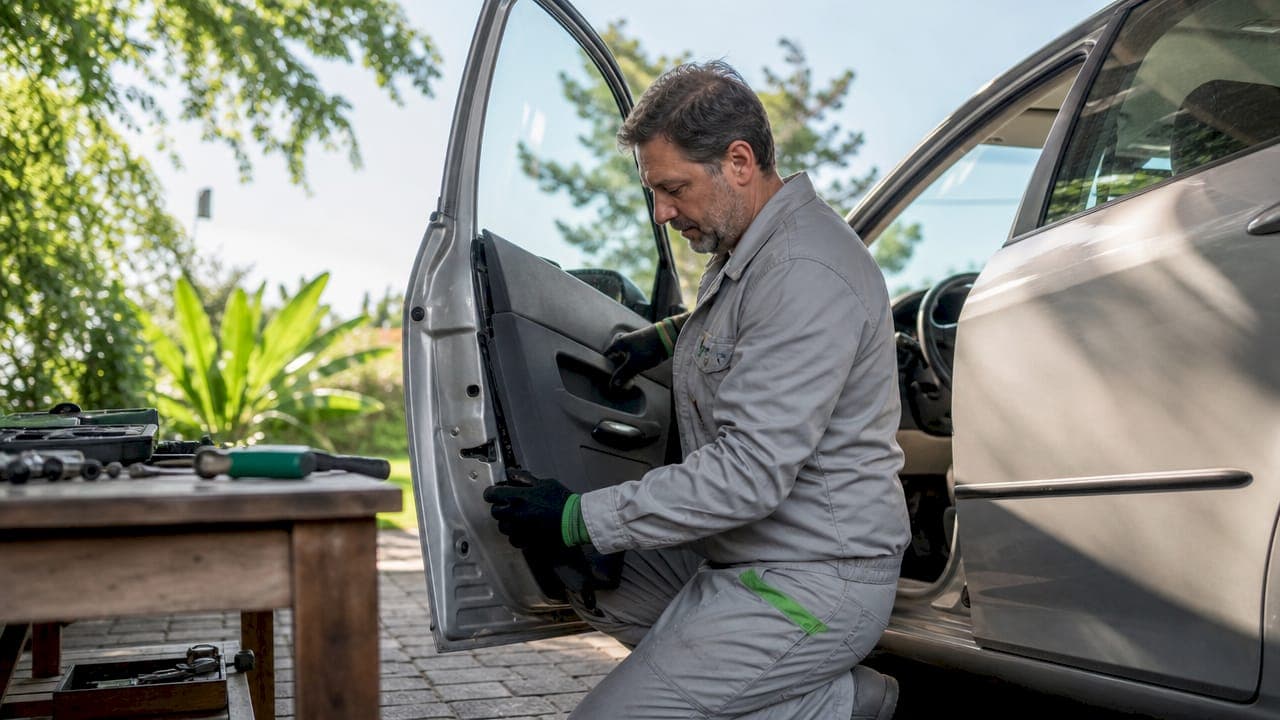
Selling a car for parts is the practice of dismantling a vehicle and selling its components individually rather than scrapping the whole unit. Calgary residents with non-running or old vehicles can earn significantly more this way, though the process demands time, tools, and legal compliance. Whether you want to sell vehicle for parts yourself or hand the job to a professional service, knowing your options upfront saves you money and legal headaches. This guide covers every step, from paperwork to pickup, so you walk away with the most cash possible.
What you need before you sell car for parts in Calgary
Preparation separates a profitable part-out from a costly legal mess. Three categories of readiness matter most: documents, physical resources, and environmental compliance.
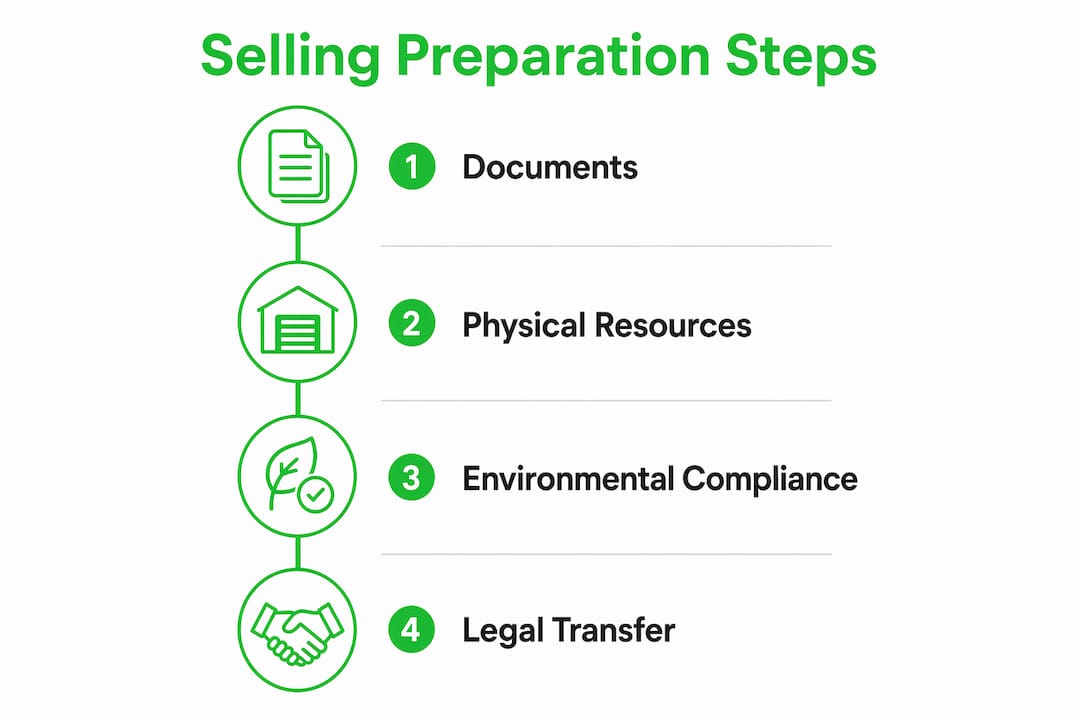
Documents and legal requirements
Clear proof of ownership is non-negotiable. You need the vehicle title in your name before selling any part or the whole car. Alberta requires owners to notify transport authorities and surrender the title formally when dismantling a vehicle. Skipping this step leaves you liable for fees, fines, or legal claims long after the car is gone. If the vehicle was written off by an insurer, you may also need a salvage or non-repairable certificate. Application fees vary by jurisdiction but reporting disposal is mandatory regardless of cost.

Physical resources
Parting out a vehicle requires a secure, weatherproof space to store both the car and removed components. A garage or covered driveway works well for Calgary winters. You also need basic tools: socket sets, wrenches, a floor jack, and jack stands at minimum. If you lack mechanical experience, budget for a mechanic's help on complex removals like engines or transmissions.
Environmental compliance
Alberta has strict rules on fluid disposal. Engine oil, coolant, transmission fluid, and refrigerant cannot go down a drain or into regular trash. Calgary has designated recycling drop-off points for automotive fluids. Draining and disposing of fluids properly before dismantling protects you legally and keeps your workspace safe.
| Requirement | Details |
|---|---|
| Vehicle title | Must be in your name; transfer required at sale |
| Salvage certificate | Required for written-off or non-repairable vehicles |
| Secure storage | Weatherproof space for car and removed parts |
| Basic tools | Socket sets, floor jack, jack stands |
| Fluid disposal | Use certified Calgary recycling drop-off points |
How to sell your car for parts step by step
A structured process keeps you from losing money on mispriced parts or wasted labor.
-
Research part values before you touch a wrench. Look up current prices for your make and model on local marketplaces. Engines, transmissions, and wheels generate the best returns and should be your first priority. Knowing what buyers will pay before you start prevents you from underselling high-value components.
-
Create a full parts inventory. Walk around the vehicle and list every sellable component: doors, mirrors, seats, electronics, lights, and mechanical parts. Photograph each item in good lighting before removal. Clear photos with accurate descriptions sell faster and reduce buyer disputes.
-
List parts on local and online platforms. Post on Calgary-area classifieds and national used parts marketplaces. Include the year, make, model, trim level, and part condition in every listing. Buyers searching for used car parts want specifics, not vague descriptions.
-
Communicate safely with buyers. Meet in public, well-lit locations or have a second person present for larger transactions. Accept cash or verified electronic transfers only. Never release a part before payment clears.
-
Schedule free vehicle pickup for the remainder. Once you have removed the high-value parts, the stripped shell still has scrap metal value. Services like Southsidecashforjunkcars offer free towing and pickup for the remaining vehicle, saving you disposal costs and effort.
-
Complete title transfer and notify Alberta transport authorities. Sign over the title to the buyer or scrap facility and keep a copy for your records. This step ends your legal liability for the vehicle.
Pro Tip: Sell the engine and transmission first. These two components alone often cover what a scrap yard would pay for the entire car, making everything else you sell pure profit.
Common mistakes when selling car parts in Calgary
Most sellers lose money or create legal problems through a handful of avoidable errors.
-
Underestimating time. Parting out a vehicle takes 40–80+ hours of dismantling, photographing, listing, and coordinating sales. That labor investment can erase the profit advantage over scrapping if your time has real value.
-
Improper title handling. A non-running vehicle still holds value through its components, but failing to transfer the title exposes you to ongoing liability. If the car gets ticketed, towed, or involved in an incident after you sell it, you remain legally responsible until the title changes hands.
-
Mispricing parts. Sellers who skip research routinely underprice engines and transmissions while overpricing worn interior parts. Check three or more comparable listings before setting any price.
-
Ignoring liability on used parts. Selling individual used parts carries legal risk if those parts fail and cause an accident. This risk does not apply when selling the whole vehicle to a licensed buyer. Consider this carefully before parting out safety-critical components like brakes or steering parts.
-
Storage problems. A partially dismantled car sitting in a Calgary driveway through winter creates neighbor complaints, bylaw issues, and weather damage to remaining parts. Have a clear timeline before you start.
"The best disposal method depends on vehicle condition. Scrapping suits non-runners or flood-damaged cars where storage and time costs outweigh the gains from parting out." — Forbes Advisor
When buyers dispute a part's condition, stick to your listing description and photos. Refund policies are your call, but having clear written terms in your listing prevents most arguments before they start.
How professional services simplify selling your car in Calgary
Professional junk car buyers remove nearly every burden from the process. The model is straightforward: you get a quote, schedule a pickup, and receive payment on the spot.
Professional junk car removal typically generates quotes within one business day, with free pickup included. That means no storage costs, no tool rentals, no hours spent photographing parts, and no chasing buyers. For Calgary sellers with a non-running vehicle sitting in a driveway, this option converts a liability into cash the same day.
Pro Tip: Vehicle condition affects your quote but rarely disqualifies you. Buyers like Southsidecashforjunkcars accept cars regardless of whether they run, making condition a pricing factor rather than a barrier.
| Factor | DIY part-out | Professional service |
|---|---|---|
| Time required | 40–80+ hours | Same day |
| Storage needed | Yes, weeks to months | No |
| Tools required | Yes | No |
| Legal paperwork | Owner handles | Service handles |
| Payment timing | Weeks to months | On the spot |
| Towing cost | Owner arranges | Free |
Southsidecashforjunkcars serves Calgary and Okotoks with a three-step process: contact them for a quote, schedule pickup, and collect cash. There are no hidden fees and no negotiation marathon. For sellers who want to sell a non-running car without the DIY headache, this route delivers speed and certainty that parting out simply cannot match.
The right choice depends on your situation. If you have mechanical skills, a garage, and free time, parting out the high-value components first and then calling a professional for the shell is the highest-earning strategy. If time is short or the vehicle is in poor condition, selling the whole car to a professional buyer is the smarter move.
Key Takeaways
Selling your car for parts in Calgary earns the most when you prioritize high-value components first, handle title transfer correctly, and choose between DIY parting out and professional pickup based on your available time and resources.
| Point | Details |
|---|---|
| Prioritize high-value parts | Sell engines, transmissions, and wheels first for the best return on effort. |
| Title transfer is mandatory | Sign over the title at every sale to end your legal liability immediately. |
| DIY takes 40–80+ hours | Factor your time cost honestly before choosing to part out over scrapping. |
| Professional pickup is free | Services like Southsidecashforjunkcars offer same-day cash with no towing fees. |
| Fluid disposal is required | Drain and recycle automotive fluids at certified Calgary drop-off points before dismantling. |
What I've learned after years of watching Calgary sellers leave money on the table
Most sellers I talk to make the same mistake: they start pulling parts before they know what those parts are worth. They spend a weekend removing an alternator that sells for $40 and ignore the transmission that would sell for $600. Sequence matters more than effort in this process.
The other pattern I see constantly is sellers who overestimate their available time. Parting out a vehicle sounds manageable until week three, when you still have a stripped shell in the driveway, three unsold doors leaning against the garage wall, and a buyer who wants a refund on a sensor. The 40–80+ hour estimate is real, and for most people with jobs and families, it is a serious commitment.
My honest recommendation for most Calgary sellers: pull the engine and transmission if you can, sell those two components, then call Southsidecashforjunkcars for the rest. You capture the biggest profit margin from the high-value parts and avoid the grind of selling 30 smaller components over two months. That hybrid approach beats both pure DIY and pure scrapping for the majority of vehicles I have seen.
Legal compliance is not optional. Transferring the title and reporting vehicle disposal to Alberta transport authorities is the step most sellers skip because it feels bureaucratic. It is also the step that protects you from liability years after the car is gone. Do it every time, without exception.
— Franz
Southsidecashforjunkcars: fast cash for your Calgary vehicle
Calgary sellers who want cash without the weeks of work have a direct option with Southsidecashforjunkcars.
Southsidecashforjunkcars buys vehicles in any condition across Calgary and Okotoks, running or not. The process takes three steps: call for a quote, schedule free pickup, and collect cash on the spot. There are no hidden fees, no lowball surprises at the door, and no towing bill. Whether you have already pulled the valuable parts or want to sell the whole car as-is, Southsidecashforjunkcars handles the paperwork and hauls the vehicle away. Sellers near Okotoks can access the same fast cash service with free towing included. For a top dollar offer on your scrap car today, contact Southsidecashforjunkcars and get your quote.
FAQ
What parts of a car are worth the most money?
Engines, transmissions, and wheels generate the highest returns when selling used car parts. Catalytic converters, infotainment systems, and doors also sell well depending on the vehicle make and model.
Do I need the title to sell my car for parts in Calgary?
Yes. You must hold a clear title in your name before selling any component or the whole vehicle. Alberta law requires owners to formally surrender the title and notify transport authorities when dismantling or disposing of a vehicle.
How long does it take to part out a car yourself?
Parting out a vehicle typically takes 40–80+ hours of total work, including dismantling, photographing, listing, and coordinating with buyers. Professional services complete the entire process in one day.
Can I sell a non-running car for parts in Calgary?
Yes. A non-running vehicle still holds value through its salvageable components. Professional buyers like Southsidecashforjunkcars accept non-running cars and provide free pickup regardless of condition.
Is there legal risk in selling used car parts?
Selling individual used parts carries liability risk if those parts fail and cause an accident. This risk does not apply when selling the entire vehicle to a licensed buyer, which is one reason many sellers prefer the whole-car route.